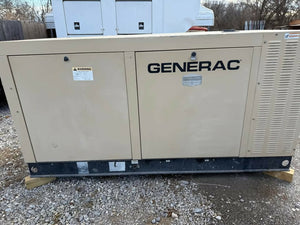
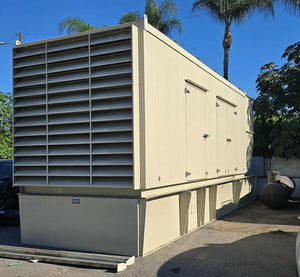
NFPA Standards for Generator Fire Safety Compliance
Generators are essential for backup power, but they come with fire risks. The National Fire Protection Association (NFPA) has established standards to minimize these hazards. Key guidelines include:
- NFPA 37: Focuses on fire safety for stationary engines, requiring proper engine placement, fire ratings, and ventilation.
- NFPA 110: Covers emergency power systems, emphasizing reliability, fuel storage, and performance during outages.
- NFPA 30: Addresses safe fuel storage and handling to prevent spills and fires.
- NFPA 20: Sets stricter requirements for fire pump generators, including start times and runtime.
Compliance ensures safety, protects property, and meets legal requirements. Regular testing, inspections, and maintenance are critical to keeping generators ready for emergencies. Following these standards not only reduces fire risks but also ensures generators perform when needed most.
Generator Location Requirements NEC 700 and NFPA 110
sbb-itb-501186b
Main NFPA Standards for Generator Fire Safety

NFPA standards play a crucial role in ensuring the safety and reliability of generator systems. Key standards include NFPA 110 for emergency and standby power systems, NFPA 30 and NFPA 37 for fuel system safety, and NFPA 20 for fire pump generators.
NFPA 110: Emergency and Standby Power Systems
NFPA 110 outlines performance requirements for backup generators, categorizing systems into two levels based on their importance:
- Level 1: For systems where failure could lead to loss of life or serious injury.
- Level 2: For less critical applications.
Generators are further classified by their Class (minimum runtime in hours without refueling) and Type (maximum transfer time in seconds for power restoration). For instance, Level 1 systems require fuel tanks to hold 133% of the fuel needed to meet the Class rating at full load. In areas prone to earthquakes, this often means maintaining 96 hours of on-site fuel storage.
Other notable requirements include maintaining a minimum ambient temperature of 40°F (4.5°C) in generator rooms and equipping them with an exterior remote emergency stop to ensure both safety and accessibility during emergencies. Diesel generators typically meet Type 10 standards (10-second start), while natural gas units must demonstrate their ability to handle full loads in one step.
NFPA 30 and NFPA 37: Fuel System Safety
NFPA 37 governs the installation of stationary combustion engines, using NFPA 30 as a guide for fuel tank design and safety. For gaseous fuels, NFPA 37 requires gas trains to include isolation valves, pressure regulators, and dual automatic shutoffs. For liquid fuels, Chapter 6 specifies key safety features like spill containment, emergency venting, and manually operated shutoff valves accessible to first responders.
Indoor fuel tanks are capped at 660 gallons unless located in a dedicated, fire-rated room. To ensure reliability, black iron is recommended for fuel piping to avoid supply disruptions. Routine tank maintenance, such as draining water and sediment, prevents corrosion and supports engine performance. Additionally, tanks should maintain at least 5% free space to allow for thermal expansion and avoid spills.
NFPA 20: Generators for Fire Pumps
Fire pump generators, critical for life safety, are subject to stricter requirements under NFPA 20. These systems must adhere to NFPA 110 Level 1 and Type 10 standards, ensuring they start and carry a full load within 10 seconds. Voltage dip during motor start is limited to 15%, and a minimum runtime of 8 hours is mandatory. Transfer switches must be specifically "fire pump listed" and installed within the pump room.
| Feature | Standard NFPA 110 Installation | NFPA 20 Fire Pump Installation |
|---|---|---|
| Voltage Dip | Acceptable to the specific load | Strictly limited to 15% during motor start |
| Transfer Switch Location | Not specified to a specific room | Must be located in the pump room |
| Transfer Switch Listing | Standard ATS | Must be specifically "fire pump listed" |
| Minimum Runtime | Based on Class (e.g., 2, 6, 48 hours) | Minimum of 8 hours |
| Start Time | Varies by Type (e.g., Type 10, 60, 120) | Must be Type 10 (10 seconds) |
Fire Safety Design and Installation Requirements
Building on the NFPA standards mentioned earlier, specific design and installation practices are vital to effectively contain fires. These requirements focus on structural elements, protective barriers, and clearances to ensure safety during generator installation.
Fire-Rated Generator Rooms and Protective Barriers
Emergency power system generator rooms must meet stringent fire-resistance standards. According to NFPA 110 Section 7.2.1.1, walls, floors, and ceilings in these rooms must have a two-hour fire-resistance rating. For general stationary engines, NFPA 37 mandates at least a one-hour fire rating for dedicated engine rooms.
Outdoor generator units must adhere to a five-foot clearance rule from building openings, combustible vegetation, and overhangs. However, exceptions may apply if adjacent walls have a one-hour fire rating or if the generator enclosure is made from noncombustible materials validated through third-party testing. Even with these exceptions, maintaining the full five-foot clearance is often recommended to avoid potential disputes with local authorities.
For installations involving multiple units, NFPA 110 specifies a minimum separation of 36 inches between individual generators. This spacing not only meets compliance requirements but also minimizes the risk of fire spreading between units. Additionally, ensuring proper ventilation is critical to maintaining safe operating temperatures and reducing fire hazards.
Ventilation and Clearance Standards
Ventilation systems are a key safety feature in generator installations. These systems supply combustion air and expel heat, preventing the buildup of fumes and maintaining safe room temperatures. Proper ventilation reduces the risk of combustible fumes or heat igniting nearby wiring or other components.
If a generator is installed within five feet of a building, third-party test documentation must confirm that the enclosure can contain an internal fire. Furthermore, adjacent structures should be sealed to prevent exhaust gas infiltration.
| Requirement Type | NFPA 110 (Emergency Systems) | NFPA 37 (Stationary Engines) |
|---|---|---|
| Indoor Room Fire Rating | 2 Hours | 1 Hour |
| Outdoor Clearance from Openings | 5 Feet | 5 Feet |
| Unit-to-Unit Separation | 36 Inches | Not specified |
| Indoor Fuel Tank Limit (Shared Space) | 660 Gallons | 660 Gallons |
Testing, Maintenance, and Operational Compliance
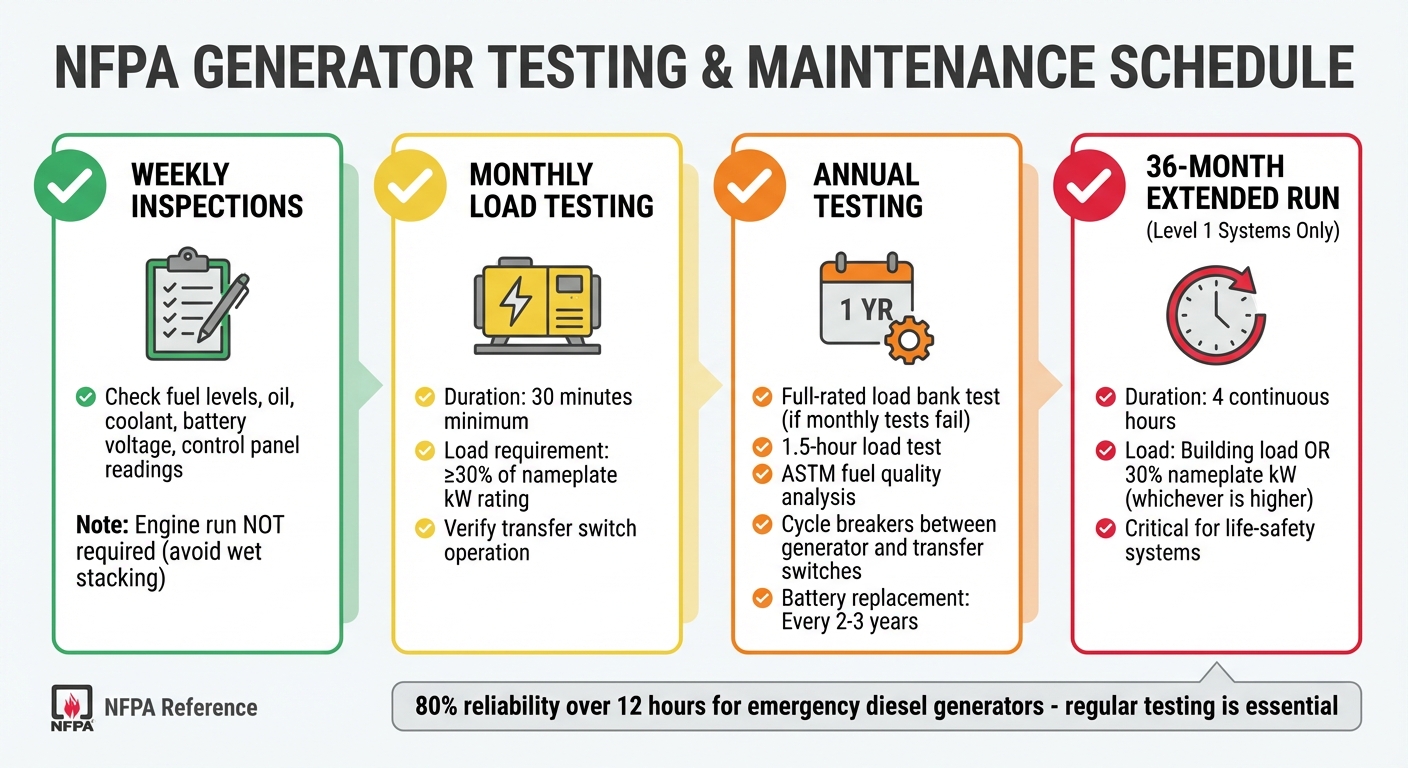
NFPA Generator Testing and Maintenance Schedule Requirements
Sticking to NFPA standards isn't just about installing generators correctly; it's about ensuring they're always ready to perform. To meet these fire safety requirements, generators must undergo regular testing and maintenance. This is especially important considering emergency diesel generators offer only 80% reliability over 12 hours. Regular compliance testing is vital to keep fire safety systems dependable.
Acceptance Testing and Preventative Maintenance
Once installation is complete, acceptance testing ensures the system meets all operational requirements. This involves on-site testing, including a two-hour load test with the Authority Having Jurisdiction (AHJ) overseeing the process to confirm the generator can handle all emergency loads. For Type 10 systems, the generator must demonstrate it can restore power to critical systems within 10 seconds of a power failure.
After commissioning, weekly inspections are required to monitor fuel levels, oil, coolant, battery voltage, and control panel readings. However, NFPA 110 recommends not running the engine weekly to avoid "wet stacking", a buildup of carbon caused by running generators without sufficient load. As stated in NFPA 110, A.8.4.1:
"Weekly inspection does not require running of the EPS. Running unloaded generators as part of this weekly inspection can result in long-term problems such as wet stacking".
Monthly load testing is another critical step. Generators must run for at least 30 minutes at 30% or more of their nameplate kW rating. If this threshold isn't met, an annual load bank test becomes necessary to prevent engine deterioration. Annual maintenance also includes a 1.5-hour load test, fuel quality testing to ASTM standards, and cycling breakers between the generator and transfer switches. Battery upkeep is equally crucial, as batteries are the leading cause of generator failures and usually need replacement every two to three years. These regular checks ensure operational readiness.
Operational Readiness and Load Testing
For Level 1 systems - where failure could endanger lives - NFPA 110 requires extended load tests every 36 months. These tests involve running the generator for four continuous hours at either the actual building load or 30% of the nameplate rating, whichever is higher.
Danny Chisholm, a member of NFPA's technical committees, underscores the importance of these standards:
"Compliance with NFPA 110 helps guarantee your generator is ready to perform when needed".
To stay audit-ready, facilities must document all test details, including dates, durations, load conditions, and any corrective actions taken. Additionally, facilities should maintain at least two copies of instruction manuals - one near the generator and another in a secure location - along with comprehensive logs of all tests and repairs.
| Test Frequency | Procedure Type | Key Requirement/Criteria |
|---|---|---|
| Weekly | Visual Inspection | Check fluids, battery terminals, and for damage. Engine run not required. |
| Monthly | Operational Load Test | 30 minutes at ≥30% nameplate rating; verify transfer switch operation. |
| Annual | Load Bank / Fuel Test | Full-rated load test if monthly fails; ASTM fuel quality analysis. |
| 36 Months | Extended Run Test | 4-hour run at building load or 30% nameplate kW. |
Conclusion
NFPA standards provide a structured framework to enhance safety, protect facilities, and ensure reliable backup power. For example, NFPA 110 requires Level 1 systems to start within 10 seconds and mandates 2-hour rated enclosures for indoor installations. NFPA 37 enforces a 5-foot clearance from combustible structures and exhaust safety precautions. Meanwhile, NFPA 30 addresses fuel hazards through emergency venting and proper tank placement. Additionally, NFPA 20 specifies that fire pump generators must support a minimum 8-hour runtime and limit voltage dips to 15%.
As Curtis Power Solutions emphasizes:
"Fire is never fully preventable. However, by following the National Fire Protection Agency (NFPA) standards... you will minimize the potential of catastrophic losses".
To meet documentation requirements, facilities should maintain two complete sets of manuals, along with spare parts and maintenance tools on-site. When integrating generators into existing setups, it's critical to confirm that gas meters and regulators can accommodate the increased BTU demand, preventing system failures during emergencies.
Routine testing and maintenance are equally vital. Weekly inspections, monthly load tests, and annual fuel quality checks ensure fire safety systems remain dependable. For Level 1 systems, where failure could mean loss of life, these practices establish the baseline reliability needed to protect building occupants. They ensure that emergency generators are ready to provide power when it matters most.
Whether you're installing new equipment or servicing existing systems, adhering to NFPA standards guarantees that your generator operates effectively during emergencies. Resources like Electrical Trader offer access to generators, transfer switches, and distribution equipment designed to meet these essential safety codes.
FAQs
Which NFPA standard applies to my generator setup?
The applicable NFPA standard for your generator will vary based on how it's installed and used. Two key standards to consider are:
- NFPA 37: This standard addresses fire safety for stationary engines.
- NFPA 110: This one focuses on emergency and standby power systems.
It's important to review these standards carefully to ensure your setup meets the necessary fire safety requirements.
Who is the AHJ, and what do they inspect?
The Authority Having Jurisdiction (AHJ) plays a critical role in ensuring compliance with fire safety and electrical codes. They conduct inspections of generator installations to verify adherence to standards such as NFPA 110 and NFPA 37. These inspections emphasize proper installation, safe operation, ongoing maintenance, and effective fire safety measures.
What testing records do I need to keep for NFPA compliance?
To comply with NFPA 110, it's crucial to keep detailed documentation of all testing and maintenance activities. This includes thorough records for:
- Weekly inspections: Document each inspection to verify the generator's readiness and identify any issues early.
- Monthly load exercises: Record performance during these exercises to ensure the generator operates as expected under load.
- Load bank tests: Maintain logs of these tests to confirm the system can handle its full rated capacity.
- Inspection results: Keep detailed notes on findings from all inspections to track compliance and address any concerns.
Accurate record-keeping is not just about staying organized - it’s essential for proving adherence to fire safety standards.
Related Blog Posts
- Diesel Fuel Storage for Generators: Guide
- NFPA 110: Generator Safety Standards Explained
- Emergency Generator Sizing Checklist
- NFPA 855: Battery Fire Safety Standards