How Decentralized Grids Improve Resilience
Decentralized grids are transforming how power systems handle disruptions. Unlike traditional centralized grids, which rely on large power plants and long transmission lines, decentralized grids generate and store electricity locally. This approach reduces the risk of widespread outages, especially during extreme weather events. Key benefits include:
- Local Power Generation: Solar panels, wind turbines, and batteries cut reliance on vulnerable transmission lines.
- Islanding Capability: Allows grids to disconnect from the main system and operate independently during disruptions.
- Improved Fault Management: Prevents single failures from cascading across the network.
- Faster Restoration: Localized control enables quicker recovery after outages.
For example, microgrids on Taʻū Island in American Samoa and White Sands Missile Range in New Mexico showcase how decentralized systems keep critical services running during emergencies. While challenges like equipment compatibility and regulatory hurdles exist, the shift to decentralized grids offers a practical solution to modern energy demands.
How Microgrids Work: DERs, Storage & Seamless Islanding
Why Centralized Grids Fail
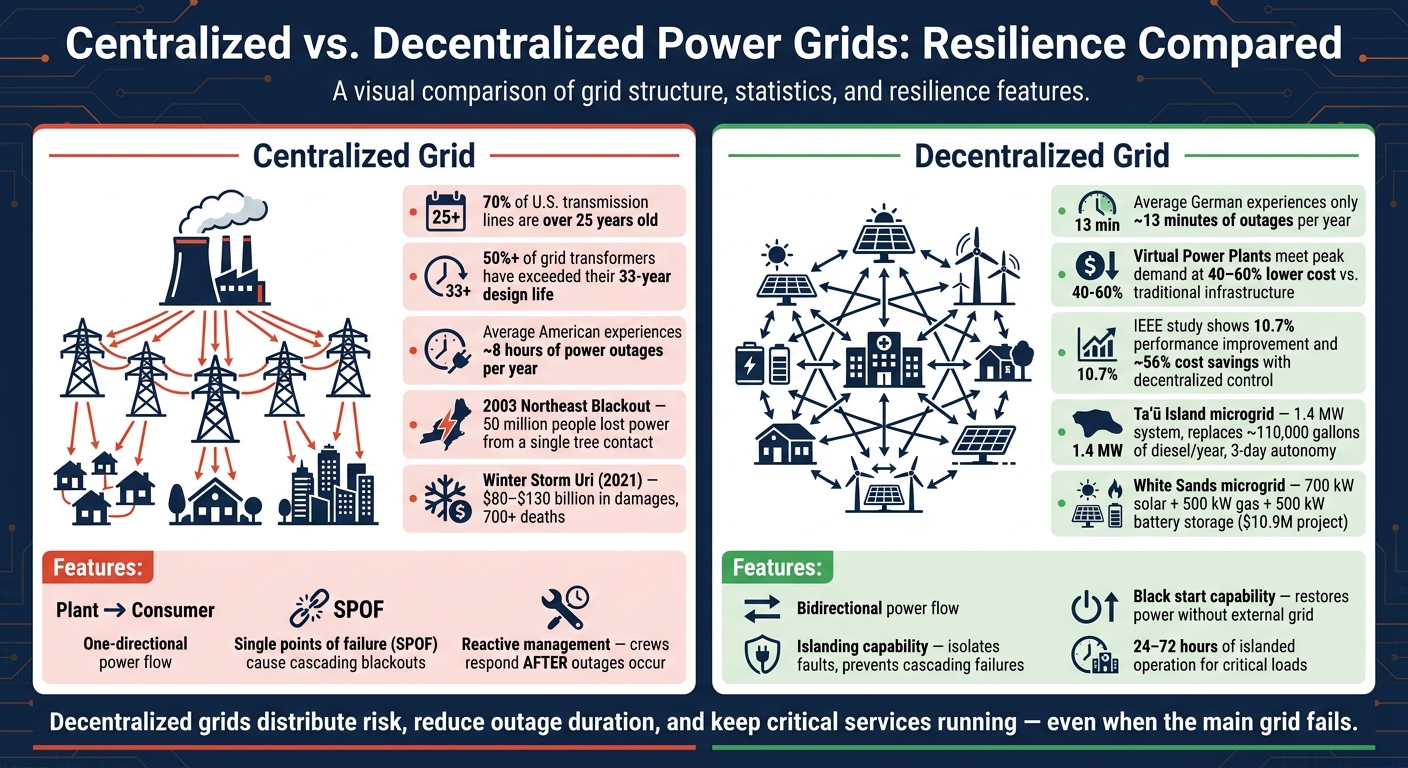
Centralized vs. Decentralized Power Grids: Resilience Compared
Structural Weaknesses in Centralized Systems
The U.S. power grid was originally designed for a one-way flow of electricity - from large power plants to consumers. This setup makes it highly vulnerable to single points of failure. One issue in the system can snowball into a widespread blackout.
Take the 2003 Northeast blackout as an example. In August of that year, a high-voltage line in Ohio came into contact with an untrimmed tree. A software glitch delayed the detection of the problem, allowing the fault to cascade through the grid. The result? A massive outage that left 50 million people without power.
The aging infrastructure only adds to the grid’s fragility. Around 70% of U.S. transmission lines are over 25 years old, and more than half of the grid’s transformers have exceeded their 33-year design life. As equipment ages, it becomes more prone to issues like insulation breakdown and metal fatigue, especially during extreme weather events. This is one reason the average American experiences nearly 8 hours of power outages annually, compared to just 13 minutes for someone in Germany.
These structural weaknesses emphasize the pressing need for decentralized and more resilient energy systems.
Operational Challenges in Grid Management
Beyond outdated equipment, centralized grids face significant challenges in balancing electricity supply and demand in real time. Sean Fleming, a clean energy writer, explains:
"Most people don't realize how fragile the grid is to real-time balancing between load and generation. Electricity is not easily storable, and if supply and demand get out of whack even a bit, equipment may fail and trigger system-wide outages."
The grid requires constant, second-by-second equilibrium between electricity generation and consumption. However, renewable energy sources like solar can complicate this balance. For instance, during the day, solar panels often create an oversupply of energy, only for demand to spike sharply at sunset when solar generation drops off - a phenomenon known as the "duck curve".
Extreme weather events further expose the grid’s weaknesses. When outages pile up faster than repair crews can respond, the system becomes overwhelmed. Winter Storm Uri in February 2021 is a stark example. Equipment failures and the centralized grid’s slow restoration process turned the storm into a prolonged disaster, leading to $80–$130 billion in economic damages and over 700 deaths.
Another issue is the lack of real-time situational awareness. Traditional grid reliability metrics, like SAIDI and SAIFI, average outage data over time, failing to capture the fast-changing conditions during severe storms. Massoud Amin, Professor Emeritus at the University of Minnesota, sheds light on this problem:
"The traditional grid is largely reactive. When something fails, equipment trips, and crews respond after the outage occurs. A self-healing grid is aware and adaptive."
This reactive nature of centralized grids underscores why they often falter. Decentralized systems, designed to be more adaptive and proactive, aim to address these vulnerabilities and offer a more robust alternative.
How Decentralized Grids Work
Core Components of Decentralized Grids
Decentralized grids are powered by Distributed Energy Resources (DERs), which include local energy generation, storage, and demand management systems. Common generation sources are solar photovoltaic (PV) panels, wind turbines, and small natural gas or backup generators. These are often paired with Battery Energy Storage Systems (BESS) to ensure a steady power supply, even when renewable energy output fluctuates.
Control systems like microgrid controllers and SCADA platforms monitor energy loads and automatically adjust operations. On a larger scale, Virtual Power Plants (VPPs) combine multiple DERs across a region to act as a unified, dispatchable energy source. This setup can meet peak energy demands at 40%–60% lower costs compared to traditional infrastructure.
"DER deployment will be more effective if the utility has a regulator-approved plan that treats DERs commensurately with utility-scale projects." - The Pew Charitable Trusts
These technologies work together to enable smooth transitions between different operating modes, which are explored further in the next section.
Grid-Connected and Islanded Operating Modes
Decentralized grids operate in two primary modes. Under normal conditions, they function in grid-connected mode, where they are linked to the main utility grid. This connection allows energy to flow in both directions - excess solar power can be sent back to the macrogrid, while additional energy can be drawn when local demand exceeds supply. This bidirectional energy exchange sets decentralized grids apart from traditional systems.
If the main utility grid experiences a failure, the system can switch to islanded mode. In this mode, breakers and switchgear disconnect the local grid from the utility, allowing it to operate independently using local energy generation and storage. Maintaining stability in islanded mode requires hierarchical control systems at primary, secondary, and tertiary levels to regulate voltage and frequency without relying on the main grid.
"Several secondary control schemes have been proposed to overcome the well-known problem of frequency and voltage deviation." - Omar F. Rodriguez-Martinez, University of Puerto Rico at Mayaguez
A practical example of islanded operation is the solar microgrid deployed on Taʻū Island in American Samoa by Tesla and SolarCity in November 2016. This 1.4 MW system, equipped with 60 Tesla Powerpacks, can power the island for up to three days without sunlight. It also replaced the need for roughly 110,000 gallons of diesel fuel annually.
Electrical Components That Keep Decentralized Grids Running
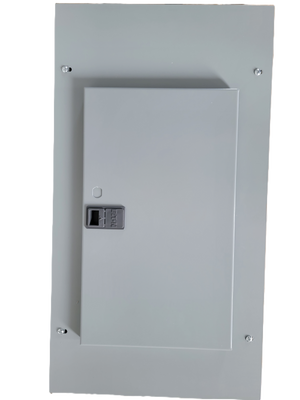
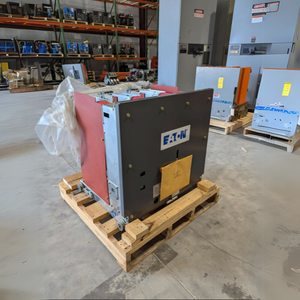
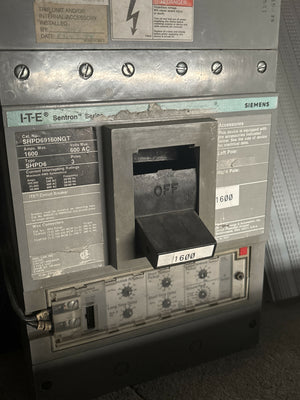
The reliability of decentralized grids depends heavily on their hardware. Transformers play a key role by adjusting voltage levels for efficient power distribution. Circuit breakers isolate faults to prevent them from spreading, while switchgear directs electricity and enables the quick disconnection required for islanded operation. Smart inverters manage the two-way flow of electricity and prevent voltage spikes that could damage equipment or endanger line workers.
Acquiring these components can be a challenge, particularly when budgets are tight or lead times are long. Platforms like Electrical Trader simplify the process by offering an online marketplace for new and used equipment, including breakers, transformers, and switchgear. These components are critical for enhancing system reliability and ensuring decentralized grids can meet modern energy demands.
sbb-itb-501186b
How Decentralized Grids Improve Resilience
Local Generation Cuts Transmission Risk
Long transmission lines are vulnerable to weather, wear, and unexpected damage. By generating power locally - through solar panels, wind turbines, or backup generators - communities can reduce their dependence on these extended networks. This minimizes potential failure points and limits the impact of regional outages.
"Reliable electricity helps to ensure consumers can see the full benefits from their connection, with advantages such as improved household incomes." - Nature Communications
Shorter transmission distances also mean fewer risks of failure. Localized energy production can ease the strain during peak demand, ensuring repair crews aren’t overstretched and recovery times aren’t prolonged.
Islanding Stops Cascading Failures
Decentralized grids take resilience a step further with islanding. This feature isolates faults and prevents failures from rippling through the entire system. Centralized grids often suffer from single points of failure (SPOF) - a single damaged transmission line or substation can cause widespread blackouts. In contrast, microgrids can disconnect from the main utility during a disturbance and rely on local resources to keep running. This containment ensures that critical services like hospitals, emergency responders, and communication systems remain operational, even if the larger regional grid goes down.
"Distributed energy systems can effectively mitigate damage or disruption to primary utility components by leveraging end-user solutions like small generators, rooftop solar photovoltaic (PV) systems, and battery energy storage systems (BESS), enhancing overall resilience." - Encyclopedia MDPI
Redundant Resources Add Reliability
A decentralized grid brings an added layer of reliability by incorporating multiple energy sources like solar, wind, battery storage, and backup generators. These systems work together, creating redundancy that avoids the pitfalls of centralized grids, where a single controller failure can bring everything to a halt. Distributing control across the grid ensures no single failure can take down the entire system.
Research in IEEE Transactions on Smart Grid highlights the benefits of this approach, showing a 10.7% improvement in performance in unreliable conditions and approximately 56% cost savings from decentralized infrastructure management.
"Higher reliability is achieved when true decentralization of control architecture is adopted." - IEEE Transactions on Smart Grid
Advanced tools like Failure Management Units (FMUs) further enhance stability by detecting faults and initiating recovery processes automatically. These automated systems don’t rely on human intervention, which means they can respond quickly - even if communication lines or upstream support fail.
Faster Restoration and Black Start Capability
Decentralized grids also excel in restoring power quickly after outages. Unlike centralized grids, which depend on coordinated efforts across large regions, microgrids operate on a smaller scale. This allows neighborhoods or facilities to restore power independently, without waiting for the main grid to recover.
This local control is especially crucial for black start capability - the ability to restart electricity generation without external power. With battery storage and local generators, decentralized grids can energize sections of the network from scratch, gradually reconnecting to the broader system as conditions improve. This capability significantly reduces downtime and ensures faster recovery after disruptions.
What to Know Before Deploying a Decentralized Grid
Technical Challenges and Equipment Requirements
Building a decentralized grid comes with its fair share of technical hurdles. One of the biggest issues is protection coordination. Traditional power systems are designed for electricity to flow in one direction - from the utility to the customer. But when you add things like solar panels, batteries, and generators, electricity can flow in multiple directions, which complicates fault current management. Without updating relay settings and conducting coordination studies, overcurrent protection systems might fail when you need them most.
Another challenge? Making sure all the components in the system can talk to each other. Devices like inverters, battery management systems, SCADA platforms, and microgrid controllers often come from different manufacturers, and they don’t always play nice together. Engineers need to verify that all systems support compatible communication protocols, such as DNP3, IEC 61850, or Modbus, before locking in a design.
When it comes to hardware, decentralized grids rely on equipment like transformers, breakers, relays, reclosers, switchgear, automatic transfer switches, inverters, and battery storage. The trick isn’t just choosing the right components but ensuring they’re rated for local fault currents, load demands, and environmental factors. For example, a community microgrid supporting a hospital needs utility-grade switchgear and redundant controls to ensure reliability. Solving these integration and hardware challenges is crucial to tapping into the resilience that decentralized grids promise.
But technical challenges aren’t the only roadblocks - regulatory and market factors also play a big role.
Regulatory and Market Barriers
In the U.S., navigating the regulatory landscape for decentralized grids can be daunting. Interconnection rules differ by state and even by utility territory, and compliance with standards like IEEE 1547-2018, utility-specific requirements, and local codes is non-negotiable. This standard has reshaped how distributed energy resources handle grid disturbances, making smart inverters and advanced controls a baseline requirement for new projects.
On the financial side, tariff structures can quietly derail project economics. A study by Lawrence Berkeley National Laboratory found that standby charges for distributed generation customers can vary widely - from $0 to over $9 per kW per month. Add in demand charges and low export compensation rates, and the payback period for these systems can stretch significantly. That’s why it’s a good idea to engage with the local utility early in the process, ideally before finalizing the system design.
Overcoming these barriers is key to creating systems that are both reliable and economically viable.
Designing for Reliability and Cost Control
The foundation of a cost-effective decentralized grid design lies in clearly defining critical loads. These are typically grouped into three tiers:
- Life-safety loads: Emergency lighting, medical equipment, and other essentials.
- Mission-critical loads: Systems like communications and HVAC for vital spaces.
- Deferrable loads: Nonessential equipment that can wait.
The system should at least cover the critical tier during islanded operation to avoid overbuilding storage or generation capacity.
A report from the Department of Energy’s 2021 Microgrid Workshop highlights that most resilience-focused microgrids aim for 24–72 hours of islanded operation for critical loads. This directly influences how much battery and fuel storage is needed. Tools like NREL’s REopt can help optimize the mix of solar, storage, and backup generation while factoring in local tariffs and resilience goals. For instance, an NREL model of a hypothetical community microgrid in Chicago showed that co-optimizing solar panels, storage, and controllable loads could cut energy costs by 5–25% while meeting resilience requirements.
When sourcing equipment, platforms like Electrical Trader offer options for new and used transformers, breakers, and switchgear. However, it’s essential to confirm that components meet project specifications, including voltage ratings, interrupting capacity, and compatibility with the protection scheme. For mission-critical equipment like switching and protection gear, many engineers prefer new or factory-refurbished options, while allowing more flexibility for less critical components.
Conclusion: Building a More Reliable Power System
Centralized power systems concentrate risk in one place - when a single point fails, it can trigger widespread outages. In contrast, decentralized grids distribute power generation locally and incorporate a variety of sources, reducing the chances of cascading failures.
As Alex Ince-Cushman, CEO of Branch Energy, explains:
"Microgrids built around storage are quickly becoming the default solution, not the exception."
This shift is evident in projects like the $10.9 million hybrid microgrid at White Sands Missile Range in New Mexico. Equipped with a 700-kW solar array, a 500-kW natural gas generator, and a 500-kW battery energy storage system, this setup ensures that essential infrastructure, like potable water systems, continues to function during grid disruptions. These systems demonstrate a layered approach to resilience: renewable energy and storage handle routine outages, while thermal generators provide backup during prolonged emergencies.
To create a reliable decentralized grid, focus on identifying critical loads, properly sizing storage and generation systems, and designing protection schemes for bidirectional power flow. Sourcing the right equipment is equally important, and platforms like Electrical Trader offer a range of new and used components to meet these needs.
FAQs
What’s the difference between a microgrid and a virtual power plant (VPP)?
A microgrid is an independent energy system designed to generate, store, and distribute electricity locally. It typically serves a specific area, providing stability and ensuring power availability during outages.
In contrast, a virtual power plant (VPP) uses software to combine distributed energy resources - like solar panels and batteries - into a unified system. This approach improves grid stability, enhances flexibility, and optimizes efficiency across a much larger region.
How does islanding work without damaging equipment or endangering line workers?
Islanding plays a crucial role in protecting equipment and ensuring the safety of workers. This is achieved through microgrid components like back-to-back (BTB) converters. These converters help regulate voltage and frequency during emergencies, allowing the microgrid to disconnect from the main grid safely while continuing to operate in a stable manner.
What equipment do I need to add solar and batteries to an existing facility safely?
To incorporate solar panels and batteries into an existing facility safely, you'll need specific equipment to ensure everything works together smoothly:
- Inverter systems: Use AC-coupled battery energy storage systems (BESS) paired with a separate inverter to manage power conversion effectively.
- Switchgear: Consult a professional engineer to confirm fault current compatibility and ensure safe operation.
- Energy Management System (EMS): Facilitates communication between the BESS and solar monitoring systems, keeping everything in sync.
- Metering devices: Essential for tracking system performance and complying with utility regulations.
By using these components, you can achieve a well-integrated and efficient setup.