

Top 7 Fire Hazards in Electrical Installations
Electrical fires cause over 54,000 home incidents annually in the U.S., leading to 500+ deaths and $1.4 billion in damages. Many dangers hide in plain sight - like outdated wiring, overloaded circuits, or damaged outlets. Recognizing the risks and acting quickly can save lives and property.
Key Hazards to Watch For:
- Overloaded Circuits: Too many devices on one circuit generate heat, risking fires.
- Faulty Wiring: Old or damaged wiring can spark fires behind walls.
- Damaged Cords/Outlets: Frayed cords or loose outlets increase fire chances.
- Missing GFCI/AFCI Protection: These devices prevent shocks and arc-related fires.
- Improper Grounding: Ungrounded systems can fail during surges or faults.
- Electrical Panel Issues: Outdated or faulty panels may not trip during faults.
- Moisture-Exposed Wiring: Water damage weakens insulation, causing sparks.
Prevention Tips:
- Schedule professional inspections every 3–5 years.
- Upgrade to AFCI and GFCI protection.
- Replace old wiring and damaged outlets.
- Avoid overloading circuits and using extension cords long-term.
- Address water leaks near electrical systems immediately.
Takeaway: Regular maintenance and quick action on warning signs - like flickering lights or burning smells - can prevent fires and protect your home.
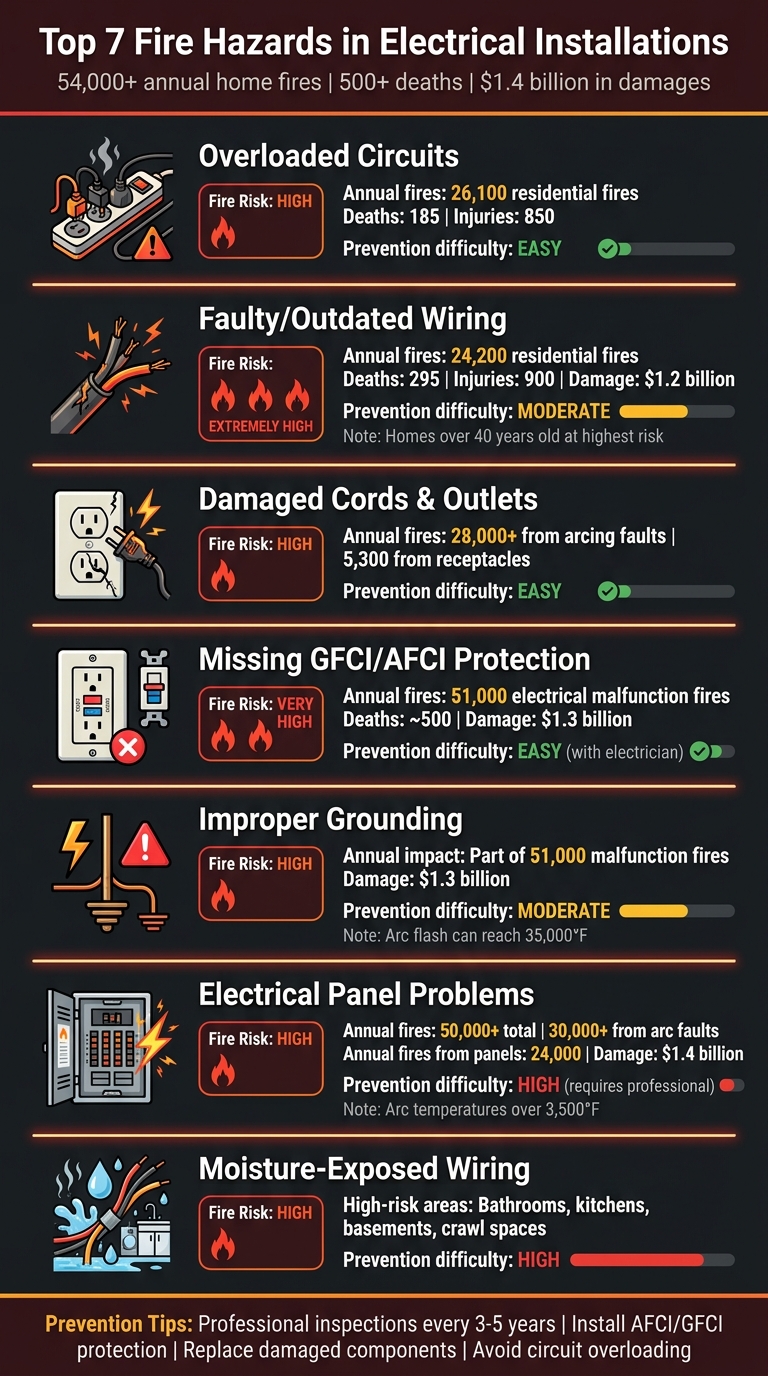
7 Electrical Fire Hazards: Risk Levels and Annual Impact Statistics
Electrical Fire Safety Easy Steps Every Homeowner Must Know
sbb-itb-501186b
1. Overloaded Circuits
An overloaded circuit occurs when too many devices demand more current than the circuit is built to handle. Each circuit is designed with a specific amperage limit - commonly 15 or 20 amps in residential settings - and exceeding this threshold generates heat that the wiring can't safely disperse.
For example, plugging a space heater, microwave, and coffee maker into the same kitchen circuit can cause the breaker to trip. If the breaker doesn't work properly or is bypassed, the heat continues to build, melting insulation and exposing live wires. This can ignite surrounding materials, leading to a fire. In 2022, electrical malfunction fires caused an estimated $1.5 billion in property damage across the U.S.. This highlights the serious danger of overloaded circuits.
"Overloading draws excessive power from a single circuit, exceeding its capacity." - TRADESAFE
Fire Risk Level
High. Overloaded circuits produce heat that can ignite insulation and nearby materials. These fires often smolder unnoticed, eventually spreading to other parts of the building.
Frequency of Occurrence
In 2022, there were approximately 26,100 residential electrical malfunction fires in the U.S., leading to 185 deaths and 850 injuries. Overloaded circuits are a frequent cause, particularly in older homes where outdated wiring struggles to support modern electrical loads.
Ease of Prevention
High. Preventing circuit overloads is relatively straightforward. Distribute high-power appliances across multiple circuits instead of overloading a single outlet. Check your breaker panel to confirm amperage ratings before plugging in heavy-duty appliances. Be alert to signs like flickering lights, buzzing outlets, burning odors, or warm outlets. If your breakers trip regularly, it's time to call a licensed electrician to upgrade your panel or add new circuits.
2. Faulty or Outdated Wiring
If your home is over 40 years old, its wiring could pose a serious hazard. Systems like knob-and-tube wiring (used before the 1950s) and aluminum wiring (common in the 1960s–1970s) weren’t built to handle the electrical demands of today’s appliances. As a result, these systems can overheat and become dangerous.
Aging insulation is another concern - it can crack and expose wires, which may lead to arcing or sparking. Older homes often have two-prong outlets that lack grounding, making them incapable of safely diverting electricity during surges. Watch for warning signs like flickering lights, burning odors, sparks from outlets, discolored switch plates, or frequent circuit breaker trips.
"Old wiring... can take the form of bare or frayed wires, crumbling insulation or faulty switches. Nothing lasts forever, including electrical insulation." - Copper Development Association
Fire Risk Level
Extremely High. Wiring fires are particularly dangerous because they often ignite behind walls, in basements, or attics - places where they can spread undetected. Smoke alarms may not activate until the fire has already gained significant ground. In 2021 alone, the U.S. saw about 24,200 residential electrical fires, which led to 295 deaths, 900 injuries, and over $1.2 billion in property damage.
Frequency of Occurrence
This is a common issue in older homes that haven’t had their electrical systems updated. Each year, between 24,000 and 50,000 residential electrical fires are reported in the U.S., with outdated wiring being one of the leading causes.
Ease of Prevention
Moderate. While spotting the warning signs is relatively simple, fixing the problem usually requires hiring a licensed electrician. If your home is over 40 years old - or even over 10 years old with added appliances or renovations - schedule a professional electrical inspection. Upgrading to Arc Fault Circuit Interrupters (AFCIs) is another effective step. These devices detect dangerous electrical arcs and can prevent fires. However, avoid attempting DIY fixes; damaged wiring should always be replaced by a professional.
Potential Damage Caused
Catastrophic. Wiring fires are not only a leading cause of fire-related deaths and injuries, but they also result in significant property damage - over $1.2 billion annually in the U.S. Their hidden nature allows them to spread quickly, leaving little time for escape and increasing the severity of destruction.
Recognizing the signs of faulty wiring and acting promptly can make all the difference. Professional intervention is essential to ensure safety and prevent devastating electrical fires.
3. Damaged Extension Cords and Outlets
After wiring problems, extension cords and outlets rank high among electrical hazards. Extension cords are meant for temporary use only. Keeping them plugged in for long periods can wear down their wiring and insulation over time. Similarly, overloading outlets - by connecting too many high-power devices to a single socket - can create excess heat, damaging the outlet's components.
Be alert to warning signs like buzzing sounds, flickering lights, or burning odors, as these indicate compromised cords or outlets. If plugs slip out easily, it’s a sign the contacts are worn and need replacement. Avoid running cords under rugs, through doorways, or behind furniture, as these areas can pinch or damage the cords. Such hidden wear often goes unnoticed until it causes a problem.
"Extension cords are a perfect solution to increasing the number of outlets to meet the demands of the amount of electrical appliances needed, but these do need to be used as a short-term solution rather than a long-term one." – Fire and Electrical Safety Ltd
Fire Risk Level
High. Damaged cords and overloaded outlets are major causes of electrical fires. In the U.S., electrical receptacles are linked to about 5,300 fires annually, while arcing faults from damaged cords or loose outlets start more than 28,000 home fires each year.
Frequency of Occurrence
This issue is widespread in homes and workplaces, where convenience often leads to overloading outlets. Using extension cords as a permanent solution significantly raises the risk.
Ease of Prevention
Most risks can be avoided by distributing the electrical load across multiple outlets and replacing cords that show signs of wear, such as fraying, cracks, or exposed wires. If a plug feels warm or doesn’t fit securely, replace the outlet immediately. Always plug heavy appliances like refrigerators or air conditioners directly into wall outlets.
Potential Damage Caused
Beyond the fire risk, damaged cords and outlets can cause electrical shocks and ruin expensive appliances. Overheated wires can ignite insulation and nearby materials, leading to fast-spreading fires and significant property damage. Regular inspections and timely replacements are crucial to prevent these dangers.
4. Missing GFCI and AFCI Protection
Modern electrical systems rely heavily on GFCIs (Ground Fault Circuit Interrupters) and AFCIs (Arc Fault Circuit Interrupters) for safety. GFCIs are designed to prevent ground faults - situations where electricity strays from its intended path. AFCIs, on the other hand, detect dangerous electrical arcing caused by damaged or loose wiring and shut off power before these arcs can spark a fire.
Traditional circuit breakers only trip when the current exceeds a specific threshold, which means they often fail to catch the lower-level currents produced by arc faults. This makes the absence of GFCIs and AFCIs particularly risky, especially in older homes with outdated wiring or overloaded circuits. These devices provide an essential safety net for reducing the risk of electrical fires.
"Each AFCI prevents fires that would otherwise occur because of dangerous electrical arc inside electrical cords, outlets, switches, and other equipment." – PRO Electric VA
Fire Risk Level
Very High. Electrical fires are a significant hazard. The Electrical Safety Foundation International (ESFI) reports that electrical malfunctions are responsible for approximately 51,000 home fires annually in the United States. These fires lead to about 500 deaths and $1.3 billion in property damage each year. In 2021 alone, U.S. fire departments documented 24,200 residential electrical fires, resulting in 295 fatalities and over $1.2 billion in losses.
Frequency of Occurrence
Homes built before modern electrical codes are at the highest risk. The National Electrical Code (NEC), particularly Article 210.12, now requires AFCI protection for most circuits in residential units and mandates GFCI installation in areas prone to moisture, such as bathrooms and kitchens. However, many homes over 40 years old lack these essential safety features.
Ease of Prevention
Upgrading to include GFCI and AFCI protection is straightforward with the help of a licensed electrician. To ensure proper safety, AFCI protection should be installed in circuits serving bedrooms, living rooms, and hallways. Meanwhile, GFCI outlets or breakers should be used in bathrooms, kitchens, outdoor areas, garages, and other damp spaces. Regular testing - using the "test" button on these devices - can confirm they are working as intended.
Potential Damage Caused
Without GFCI and AFCI protection, electrical problems can escalate quickly. Beyond the obvious risk of structural fires, the absence of these safety devices can lead to dielectric breakdown. This process causes insulation to degrade, allowing electricity to flow where it shouldn’t, which increases the risk of hidden electrical fires. Since these faults often remain undetected, they delay response times and heighten the danger of severe property damage and loss.
5. Improper Grounding
Improper grounding in older electrical systems is a serious issue that can dramatically increase fire risks. This occurs when excess electricity doesn't have a safe route to the ground. While it's often seen as a shock hazard, poor grounding can also prevent circuit breakers and GFCIs from functioning properly. When faults aren't cleared, the resulting electrical energy can cause overheating or arcing, which may ignite nearby materials.
Homes with two-prong outlets are a clear sign of ungrounded systems, which are common in houses built before 1950. These older homes often use knob-and-tube wiring that lacks grounding. Warning signs include experiencing electric shocks when touching metal surfaces, frequent breaker trips, and flickering lights when high-power devices are in use.
"Missing or interrupted equipment grounding conductors allow fault current to energize metal enclosures without triggering protective devices." – National Electrical Authority
Fire Risk Level
High. Without proper grounding, electrical systems are highly susceptible to lightning strikes and power surges, both of which can directly cause fires. Electrical failures are responsible for about 51,000 home fires annually in the United States, leading to an estimated $1.3 billion in property damage.
Frequency of Occurrence
Grounding issues are particularly prevalent in older homes and areas prone to moisture, where the risk of electrical discharge is higher. Nearly 44% of fatal electrical injuries in construction and extraction jobs are tied to problems like improper grounding. Even small currents - between 100 and 200 milliamps - can be deadly.
Ease of Prevention
Moderate. Fixing grounding problems often requires a licensed electrician. Upgrading old two-prong outlets to three-prong grounded outlets is a key step. Installing GFCIs in areas like kitchens, bathrooms, and outdoor spaces where water and electricity might mix adds another layer of safety. Ensuring all electrical systems comply with National Electrical Code (NEC) Article 250 and scheduling regular inspections to check grounding conductors are intact are also crucial preventive measures.
Potential Damage Caused
Severe. Poor grounding can lead to dangerous arc flash events, which can reach temperatures of up to 35,000°F - four times hotter than the sun's surface. These events create explosive pressure waves and shrapnel, posing risks of severe injuries and significant equipment damage. With both shock and fire hazards in play, improper grounding ranks as one of the most hazardous deficiencies in electrical systems. This concern naturally ties into the electrical panel issues discussed next.
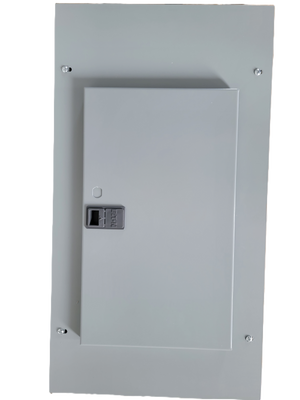
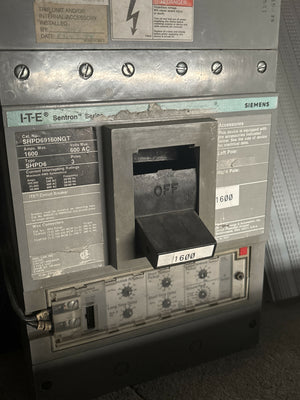
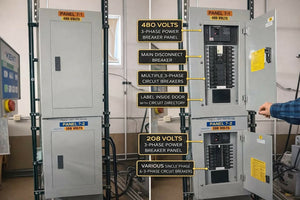
6. Electrical Panel Problems
Electrical panels are the heart of a home's electrical system, distributing power to every circuit. But when they’re outdated or malfunctioning, they can become a serious fire hazard. In fact, electrical panel issues contribute to over 50,000 fires annually, with more than 30,000 house fires caused by arc faults alone.
Some panel brands have a history of safety failures. For instance, Federal Pacific Electric (FPE) panels are known to sometimes fail to trip during overloads or short circuits. Similarly, Zinsco panels are prone to arcing between breakers and the bus bar, creating a dangerous "welding effect" that can melt components. Other issues, like loose connections or improperly sized breakers, can also prevent the system from shutting down during electrical faults. This highlights the importance of using arc fault detection devices.
"AFCIs offer enhanced fire protection capabilities by recognizing when a hazardous arcing situation occurs in a home's wiring and then immediately cutting power to the circuit before a fire can start." – Brett Brenner, President, Electrical Safety Foundation International (ESFI)
Fire Risk Level
High. Failed electrical connections can produce arcs that reach temperatures over 3,500°F - hot enough to ignite structural materials. Compounding the issue, about half of U.S. homes have electrical systems that are too outdated to handle modern power demands. When breakers fail, copper conductors overheat, degrading insulation and creating pathways for fires.
Frequency of Occurrence
Very common. Each year, approximately 24,000 residential electrical fires are linked to failures in electrical distribution and lighting equipment. Older homes are particularly vulnerable, as outdated panels with low amperage ratings and corroded components are more likely to fail. Panels installed in damp or poorly ventilated areas also deteriorate faster, increasing the risk.
Ease of Prevention
High. Preventing panel-related fires is often straightforward with proper maintenance and upgrades. Homes over 40 years old should have a professional electrical inspection to ensure the panel can handle current power demands. Installing Arc-Fault Circuit Interrupters (AFCIs) or Dual Function Circuit Interrupters (DFCIs) - which cost about $45 each - adds a layer of protection by detecting hazardous arcing and cutting power before a fire can start. If you notice recurring breaker trips or unusual sounds from the panel, call a licensed electrician immediately. Regular inspections and timely upgrades are essential to reducing fire risks.
Potential Damage Caused
Severe. Fires originating from electrical panels can cause catastrophic damage, often leading to total property loss. These incidents result in over $1.4 billion in damages annually. Warning signs - such as burn marks, melted parts, or a burning smell - indicate imminent danger and should never be ignored. Given the high temperatures, flammable materials, and constant power flow, panel fires are not only destructive but can spread rapidly, making them especially dangerous.
7. Moisture-Exposed Wiring
Moisture can seep into wiring through leaks, flooding, or even condensation. When this happens, it can lead to metal corrosion, insulation breakdown, and weakened connections. These issues increase electrical resistance, generate heat, and may cause arcing - sparks that can ignite fires inside walls. This danger is just as serious as those from overloaded circuits or old, deteriorated wiring.
"Water damage can indeed lead to electrical fires. When moisture infiltrates electrical systems, it can cause short circuits, system malfunctions, and potential ignition sources, increasing the risk of fire hazards in your home." – PRO Electric LLC
Fire Risk Level
High. Moisture provides a direct path for electricity to escape its circuit, often resulting in sparks. These sparks can ignite surrounding materials, especially inside wall cavities where fires can smolder unnoticed.
Frequency of Occurrence
Common. Certain areas of a home are more prone to moisture-related wiring issues. Exterior walls, basements, crawl spaces, and poorly ventilated attics are frequent trouble spots. Even minor water intrusions, like a slow drip behind siding or a small roof leak, can cause significant wiring damage over time. Kitchens, bathrooms, and laundry rooms - where water use is constant - are also high-risk zones.
Ease of Prevention
High. Preventing these hazards starts with addressing water issues immediately and improving ventilation in damp spaces like attics and crawl spaces. Installing Ground Fault Circuit Interrupters (GFCIs) in areas prone to moisture, such as bathrooms, kitchens, and outdoor spaces, is crucial. These devices detect even small electrical imbalances and shut off power quickly. Be alert for warning signs like flickering lights, frequent breaker trips, discolored outlets, or a faint burning smell, and have older wiring inspected by professionals regularly. Routine inspections can help identify and address moisture damage before it becomes a serious problem.
Potential Damage Caused
Severe. Moisture-exposed wiring poses risks beyond fires. It significantly increases the chances of electrocution. The hidden nature of these fires, combined with structural damage and the danger of fatal shocks, makes moisture exposure one of the most serious electrical hazards for homeowners.
How to Prevent Electrical Fire Hazards
Taking proactive steps can significantly reduce the risk of electrical fires in your home or workplace.
First, always rely on a licensed electrician for installations, repairs, and inspections. This ensures that all work complies with safety codes. For homes older than 20 years or those that have undergone major renovations, scheduling a comprehensive electrical inspection is a must. Even in newer homes, inspections every three to five years are a good idea to catch potential issues early.
Pay attention to warning signs like flickering lights, burning smells, sparks, warm or discolored outlets, and frequently tripped breakers. These could indicate underlying electrical problems. Also, avoid using extension cords for high-draw appliances - plug them directly into wall outlets instead. When buying electrical equipment, look for an NRTL seal to ensure it meets safety standards.
Properly managing electrical loads is another key step. Spread appliances across multiple outlets instead of overloading a single circuit. Use power strips equipped with overload protection, and always match light bulb wattage to the fixture's rating to avoid overheating. Never run cords under rugs, carpets, or furniture, as trapped heat can damage the insulation and increase fire risks.
Upgrading your home’s electrical safety features is also wise. Install GFCIs (Ground Fault Circuit Interrupters) in kitchens, bathrooms, and other areas prone to moisture. These devices detect electrical imbalances and cut power instantly, reducing shock risks. AFCIs (Arc Fault Circuit Interrupters) are another essential addition, as they help prevent fires caused by electrical arcing. For families with young children, tamper-resistant outlets offer an extra layer of safety.
Regular appliance maintenance plays a big role in fire prevention. For example, clean your dryer’s lint filter after every load, and make sure the outdoor vent flap opens properly - lint buildup is one of the leading causes of dryer fires. Keep at least three feet of clear space around space heaters and ensure they have an automatic shut-off feature in case they tip over. Additionally, install smoke detectors on every level of your home, test them monthly, and replace their batteries at least once a year.
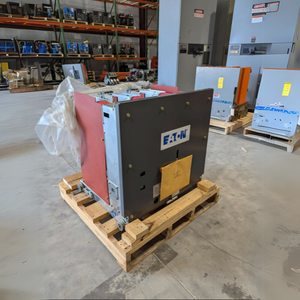
Finally, when replacing components like breakers or switches, use trusted platforms like Electrical Trader to source code-compliant equipment from reputable manufacturers. This helps maintain a safe and reliable electrical system.
Conclusion
Electrical installations come with several fire hazards that demand attention. Overloaded circuits, faulty wiring, damaged cords or outlets, missing safety devices, improper grounding, electrical panel issues, and moisture-exposed wiring are among the most common dangers. These risks result in over 500 fatalities and an estimated $1.4 billion in property damage every year. The numbers highlight the importance of addressing these issues before they escalate into life-threatening situations.
"What could be passed off on a daily basis as normality, could be a huge threat without you knowing"
Simple warning signs like flickering lights or warm outlets should never be ignored - they point to potentially serious problems that require immediate attention. Scheduling professional inspections is crucial to uncover hidden dangers that might not be apparent at first glance.
For older electrical systems, inspections every three to five years are especially important, as these systems often struggle to handle today’s electrical demands. It’s equally vital to ensure that protective devices like AFCIs and GFCIs are in good working order.
Awareness is just the beginning. Taking proactive steps - such as hiring licensed electricians, addressing warning signs promptly, and upgrading outdated components - can help protect both lives and property.
"If you spend just a small amount of your day making sure everything is in the best shape possible, you could be preventing a disaster"
FAQs
How do I know if a circuit is overloaded?
You might spot an overloaded circuit if you notice frequent breaker trips, flickering or dim lights, or even a burning smell near outlets or switches. This occurs when the electrical demand surpasses what the circuit can handle, leading to overheating and increasing the risk of a fire. If these warning signs appear, it’s crucial to have the circuit checked and fixed as soon as possible to maintain safety.
Do I need AFCI, GFCI, or both?
The National Electrical Code (NEC) mandates the use of both GFCI (Ground Fault Circuit Interrupter) and AFCI (Arc Fault Circuit Interrupter) in specific areas to enhance electrical safety.
- GFCI Protection: Designed to prevent electric shocks, GFCIs are essential in wet or damp areas like bathrooms, kitchens near sinks, garages, outdoor spaces, and basements. They quickly shut off power when they detect ground faults, making them critical in moisture-prone environments.
- AFCI Protection: AFCIs, on the other hand, help reduce the risk of electrical fires caused by arc faults. These are required in living spaces such as bedrooms, kitchens, laundry rooms, and other areas where wiring issues might lead to overheating or sparking.
Always consult local electrical codes to ensure your system complies with regulations while prioritizing safety throughout your home.
When should I replace my electrical panel?
If your electrical panel is showing signs of wear or malfunction, it may be time for a replacement. Look out for warning signs like circuit breakers that trip often or a panel struggling to manage your home's electrical needs. These issues could mean the panel is outdated or no longer functioning properly. Upgrading it can improve safety and ensure consistent power throughout your home.