Ultimate Guide To Home Electrical Safety
Electricity is vital in every home, but it comes with risks. Each year in the U.S., electrical failures cause over 45,000 home fires, resulting in hundreds of deaths, thousands of injuries, and over $1.3 billion in property damage. Many of these incidents are preventable with proper safety measures.
Here’s what you need to know:
- Key Risks: Aging wiring, overloaded circuits, and hidden hazards like arc faults.
- Essential Components: Circuit breakers, GFCI outlets (protect against electrocution), and AFCI breakers (reduce fire risks).
- Warning Signs: Flickering lights, buzzing sounds, burning smells, or frequent breaker trips signal serious issues.
- Room-Specific Tips: Use GFCIs in kitchens and bathrooms; avoid extension cords for high-power appliances; keep outlets dry and free from overloads.
- Child Safety: Install tamper-resistant outlets to prevent injuries.
Maintenance is crucial. Test GFCIs monthly, inspect your breaker panel yearly, and replace outdated systems. For major issues, hire a licensed electrician - costs range from $150 to $400 for inspections, but this investment can save lives and property.
Stay proactive. Regular checks and upgrades can significantly reduce the chance of fires or injuries. This guide provides clear steps to make your home safer for everyone.
Home Electrical Fire Statistics and Safety Impact
Electrical Safety Hazards at Home
sbb-itb-501186b
Electrical Components in Your Home
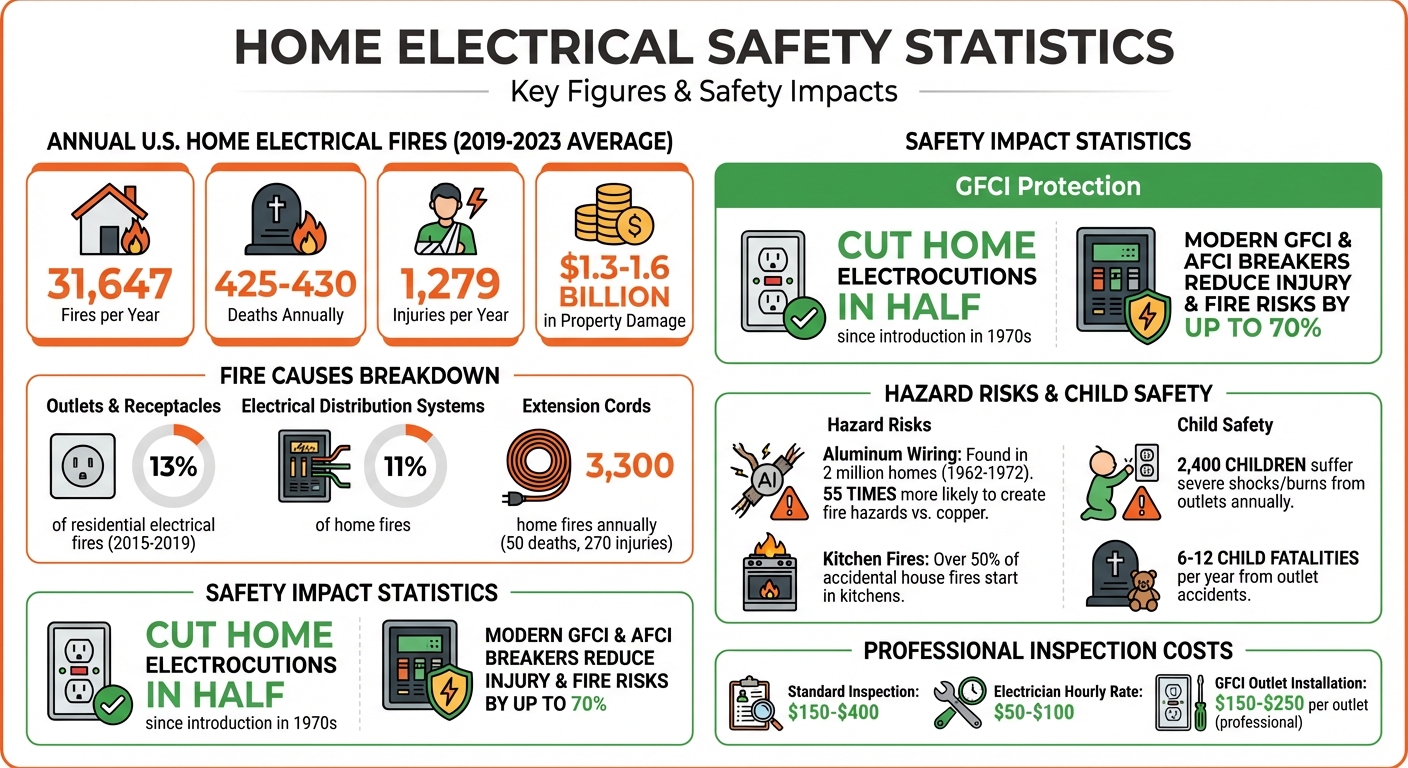
Understanding your home's electrical system is key to keeping your family safe. Electrical distribution systems are responsible for 11% of home fires in the U.S., making awareness and maintenance essential.
Main Electrical Components
Your home's electrical setup starts at the service entrance, where power flows in from the utility grid through overhead wires or underground conduits. The electric meter, usually mounted on an exterior wall, measures your electricity usage for billing.
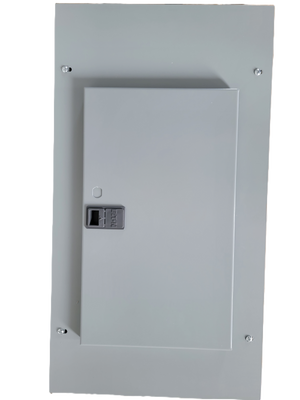
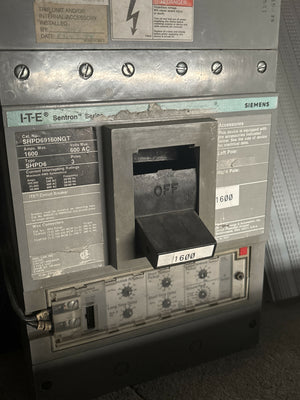
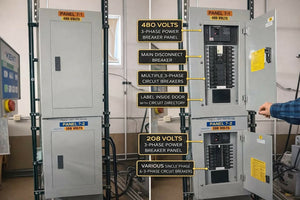
At the heart of your system is the main service panel - often called the breaker box. This panel houses the main circuit breaker, a large switch that can cut power to the entire house during emergencies. It also contains branch circuit breakers, which manage power to specific rooms or appliances. These breakers trip automatically to prevent overheating and potential fires.
Inside the panel, bus bars - metal strips - distribute electricity from the main breaker to each branch circuit. Your home's wiring includes three types of wires:
- Hot wires that carry current
- Neutral wires that complete the circuit
- Ground wires that add safety by redirecting excess current
"Electricity always seeks to return to its source and complete a continuous circuit... A third or 'grounding' wire is also connected to all outlets and metal boxes in your home. This critical safety feature is designed to greatly reduce your chance of shock or electrocution." - Electrical Safety Foundation International (ESFI)
Outlets, also called receptacles, are where you plug in devices. Specialized outlets like GFCIs (Ground Fault Circuit Interrupters) are essential in wet areas like kitchens and bathrooms, as they help prevent electrocution. Meanwhile, AFCI (Arc Fault Circuit Interrupter) breakers are designed to reduce fire risks caused by damaged wiring. Since their introduction in the 1970s, GFCIs have cut home electrocutions in half, and modern GFCI and AFCI breakers can lower injury and fire risks by up to 70%. Switches, on the other hand, control lighting and fixed fixtures by opening or closing circuits.
| Component | Primary Safety Function | Best Used In |
|---|---|---|
| Standard Circuit Breaker | Protects against overloads and short circuits | General living areas, bedrooms |
| GFCI (Ground Fault) | Detects leakage current to prevent electrocution | Kitchens, bathrooms, garages, and outdoor areas |
| AFCI (Arc Fault) | Reduces fire risks from damaged wiring | Most circuits in modern homes (per NEC requirements) |
To ensure safety, keep a three-foot clearance around your electrical panel for emergencies and label each breaker to identify the room or appliance it controls. Test your GFCI and AFCI breakers monthly using their built-in test buttons to confirm they’re working properly.
Familiarity with these components can also help you spot potential hazards.
Common Electrical Hazards
Outdated wiring is a major concern. For example, between 1962 and 1972, nearly 2 million homes were built with aluminum wiring, which is 55 times more likely to create fire hazards at wire connections compared to copper. Even older homes with knob and tube wiring (common from the 1800s to the 1930s) lack modern grounding, further increasing fire risks.
Overloaded circuits are another issue. Plugging too many high-powered devices into a single circuit - like a 10-amp microwave and a 14-amp air fryer on a 20-amp circuit - can overload it. Similarly, short circuits caused by damaged wiring or pests can lead to dangerous conditions.
Be alert for warning signs like frequent breaker trips, discolored outlets, buzzing sounds, warm faceplates, flickering lights, burning smells, or mild shocks from appliances. These symptoms often indicate serious electrical problems that require immediate attention.
"If you have an outlet or light that isn't working, don't just use another one without getting it checked out. There's a reason it isn't working - and it will only get worse." - Seth Silbaugh, Owner, Switched Electric
Certain outdated panels, like those made by Federal Pacific Electric (FPE) or Zinsco, are known to fail during electrical faults. If your home has one, replace it immediately. Also, never replace a blown fuse with one of higher amperage - it risks overheating the wiring and starting a fire.
Child safety is another critical area. Each year, around 2,400 children suffer severe shocks or burns from inserting objects into outlets, with 6 to 12 fatalities reported annually. Installing Tamper Resistant Receptacles (TRRs) can help prevent these accidents. TRRs feature internal shutters that only open when equal pressure is applied to both slots, making it much harder for kids to insert foreign objects.
Electrical Safety Best Practices
Understanding how your home's electrical system works is just the beginning. Once you’ve got the basics down, applying these safety measures can help protect your home and ensure your electrical setup remains reliable.
Safe Use of Outlets and Switches
Did you know that between 2015 and 2019, about 13% of residential electrical fires were linked to outlets and receptacles? Many of these fires could have been avoided with proper care and attention.
Before working on outlets or switches, always turn off the circuit at the main panel and double-check there’s no voltage using a non-contact tester. When installing or replacing outlets, follow these steps: connect the hot wire (black) to the brass/gold screw, the neutral wire (white) to the silver screw, and the grounding wire (bare copper/green) to the grounding screw. To ensure a solid connection, use screw terminals instead of "stab-in" back connectors, and wrap the wire clockwise around the screw so tightening it secures the wire in place.
"Outlets and receptacles, the devices you stick plugs into, can be dangerous if they're abused or overloaded."
- Ally Childress, Licensed Electrician, Family Handyman
If an outlet feels loose or wobbly, replace it right away - worn contacts inside can cause arcing and heat buildup. Warm outlets or switches, buzzing, popping, or crackling sounds are also red flags. Stop using them immediately and shut off the breaker.
For safety, the National Electrical Code generally limits 15-amp circuits to a maximum of eight outlets to avoid overloading. If you have older two-prong outlets, consider upgrading to grounded three-prong or GFCI outlets. Hiring a professional for this costs around $130 to $300, though DIY materials are closer to $25.
Extension cords and power strips also require careful handling to prevent accidents.
Extension Cords and Power Strips
Each year, roughly 3,300 home fires start because of extension cords, leading to an average of 50 deaths and 270 injuries. This underscores the importance of treating extension cords as temporary fixes - not permanent wiring solutions.
Inspect cords regularly for frayed wires, exposed copper, cracked insulation, or melted areas, and replace damaged cords immediately. Look for cords tested by independent labs like UL, ETL, or CSA to ensure safety.
Match the cord’s wattage or amperage to your appliance’s needs. Most household power strips can handle between 1,500 and 2,000 watts. High-wattage appliances like space heaters, refrigerators, and microwaves should always be plugged directly into wall outlets - never into extension cords or power strips.
"Extension cords are not designed to power high-wattage appliances like microwaves, refrigerators, or space heaters, and using them in this manner can cause overheating and fires."
- Towles Electric, Inc.
Avoid running cords under rugs, carpets, or through walls and ceilings, as these setups can trap heat and spark fires. Never daisy-chain cords or power strips; this practice is a serious fire hazard. For outdoor use, choose cords with a "W" rating for weather resistance. Always unplug cords by gripping the plug (not the cord) and disconnect them when not in use to prevent overheating. For longer cords, wire gauge matters: use 14-gauge wire for 14–15 amps or 12-gauge for 16–20 amps on a 50-foot cord.
Once your outlets and cords are in check, maintaining your circuit breaker panel is the next step for a safe electrical system.
Circuit Breaker and Panel Maintenance
Your home’s electrical panel acts as the control center, distributing power and protecting your wiring from overloads and short circuits. Regular maintenance ensures it operates safely.
Keep a 3-foot clearance around the panel and label all breakers clearly for quick identification during emergencies or repairs. Always handle the panel with dry hands on a dry surface, and avoid touching internal bus bars or exposed wires, which remain live even when the main breaker is off.
Test AFCI and GFCI breakers monthly by pressing the "Test" button. The breaker should trip immediately; you can reset it by switching it back to "On." Inspect the panel every 6 to 12 months for signs of rust, corrosion, water damage, or heat discoloration. If the panel feels warm, smells like burning, or makes buzzing or crackling sounds, call a licensed electrician right away.
Labeling breakers with specific descriptions - like "Kitchen North Wall Outlets" instead of just "Kitchen" - can save time and money during service calls. Durable, moisture-resistant labels, such as laminated tape or industrial vinyl, are ideal, especially in damp areas. Proper labeling can cut an electrician’s service time by 15 to 30 minutes, saving you $25 to $75 per visit.
If a breaker trips, unplug the devices causing the overload before resetting it. Flip the breaker fully to "Off" before switching it back to "On". The National Fire Protection Association recommends having your electrical system inspected by a professional every 10 years - or sooner if you notice issues like flickering lights or frequent breaker trips. Panels older than 30 years may not handle modern electrical demands and might need upgrading.
Room-by-Room Safety Tips
Some rooms in your home pose greater electrical risks than others. Kitchens and bathrooms, for instance, combine water, moisture, and powerful appliances - an especially risky mix that calls for extra precautions to avoid fires and electrocution.
Kitchen Safety
Did you know that more than half of accidental house fires start in the kitchen? This makes it one of the most dangerous rooms in your home when it comes to electrical hazards.
Start with GFCI outlets. These are essential for areas near water sources, like your sink, dishwasher, and countertops where small appliances are used. A professional installation usually costs between $150 and $250 per outlet, but if you're comfortable with DIY, materials are much cheaper - around $20 to $50 per unit.
"Kitchen outlet sparking isn't just a minor annoyance - it's a red flag signaling potential disaster."
- Court Electrical Service, Inc.
Keep outlets at least 12 inches away from your sink to minimize water exposure. And here's a simple but important tip: always unplug appliances before using metal utensils to retrieve stuck food. When not in use, unplug small appliances and keep their cords away from rugs or hot surfaces like stovetops.
Avoid circuit overloads. Modern kitchens demand a lot of electricity, and major appliances need their own dedicated circuits. For example:
- Dishwashers require a 15-amp circuit
- Microwaves need a 20-amp circuit
- Electric ranges demand a 50-amp, 120/240-volt circuit.
Running multiple high-wattage appliances on the same circuit can overheat wiring, especially in older homes. Aim to keep circuit loads at 80% capacity - no more than 12 amps on a 15-amp circuit.
Here's a quick reference for common kitchen appliances:
| Appliance | Circuit Requirement | Wire Gauge | GFCI Required? |
|---|---|---|---|
| Small Appliances | Two 20-amp, 120-volt | 12/2 | Yes |
| Dishwasher | One 15-amp, 120-volt | 14/2 | Yes (2017 Code) |
| Garbage Disposal | One 15-amp, 120-volt | 14/2 | Recommended |
| Microwave | One 20-amp, 120-volt | 12/2 | Often Required |
| Electric Range | One 50-amp, 120/240-volt | Sized for load | No |
Be on the lookout for warning signs like discolored outlets, burning smells, or outlets that feel warm to the touch. To reduce fire risks, vacuum refrigerator coils every three months to prevent dirt buildup. Also, regularly clean grease and fat from ovens, grills, and exhaust hoods - these can act as fuel for electrical fires.
While kitchens deal with high-powered appliances, bathrooms bring their own challenges, especially when it comes to moisture.
Bathroom Safety
Bathrooms are another high-risk area, mainly because water is everywhere. Wet skin, for example, lowers your body's electrical resistance by 100 times.
"Electricity moves much faster and more dangerously through water. Even small shocks near sinks or tubs can turn fatal when wet skin lowers the body's resistance."
- Volta Electric Inc.
Every bathroom outlet should be GFCI-protected. Test them monthly to ensure they're working properly. Avoid using switches or plugging in devices with wet hands, and always unplug items like hairdryers and shavers immediately after use. Even when turned off, a plugged-in device can cause serious harm if it falls into water.
Keep portable appliances at least 3 feet away from sinks and tubs. Power strips and extension cords are a no-go in bathrooms - they're not built for humid environments. Instead, choose enclosed ceiling lights, which are safer and less likely to come into contact with wet hands. Proper ventilation is also key; install exhaust fans to reduce humidity, which can damage electrical components over time or cause short circuits.
For homes with young children, consider tamper-resistant outlets or covers for added peace of mind. These small steps can go a long way in keeping your bathroom safe.
Inspection and Maintenance
Keeping up with regular electrical inspections can help prevent disasters. From 2019 to 2023, electrical distribution and lighting equipment were responsible for an average of 31,647 home fires annually in the U.S. These fires led to approximately 425 deaths, 1,279 injuries, and $1.6 billion in property damage. Many of these tragedies could have been avoided with proper maintenance.
Annual Safety Checklist
- Test GFCI and AFCI devices: Use the "Test" button monthly to ensure they trip correctly, then press "Reset" to restore power. Replace any device that fails to trip or reset.
- Inspect your breaker panel: Check for rust, water damage, and proper labeling at least once a year. Maintain a 3-foot clearance around the panel and flip each circuit breaker off and back on annually. If your panel is older than 25 years, consider a professional evaluation to determine if an upgrade is needed.
- Examine outlets: Watch for unusual sounds like popping or crackling, and be alert to burning or "fishy" odors, which may suggest overheating wires.
- Use a receptacle tester: These inexpensive tools (under $20) can detect issues like bad grounding. For standard outlets, a multimeter can verify voltage readings between 110 and 130 volts - anything outside this range indicates a problem.
- Check exposed wiring and cords: Look for damage, rodent activity, or frayed extension cords. Ensure light bulbs match fixture ratings and that outdoor outlets have weatherproof covers with GFCI protection.
| Area | Warning Signs | Recommended Action |
|---|---|---|
| Outlets & Switches | Warmth, discoloration, buzzing, loose plugs | Replace or call an electrician |
| Circuit Breaker | Frequent tripping, burning smell, rust | Schedule a professional inspection |
| Cords & Strips | Frayed wires, pinched cords, permanent use | Replace or install permanent outlets |
| Lighting | Flickering, dimming, hot ceiling fixtures | Check bulb wattage or switch to LEDs |
| GFCIs | Failure to trip or reset during testing | Replace the GFCI unit |
If these checks uncover any issues, or if problems persist, it’s time to call in a professional.
When to Hire an Electrician
While routine inspections help maintain safety, some situations demand the expertise of a licensed electrician. For most homes, schedule a full inspection every 3 to 5 years. If your home is over 25 years old, aim for inspections every 2 to 3 years. Homes in coastal or humid areas may need inspections every 2 years to address corrosion risks.
Call an electrician immediately if you notice frequent breaker trips, buzzing sounds from walls, burning odors, or warm outlets. These warning signs often indicate serious underlying issues. Even flickering lights, while sometimes as simple as a loose bulb, could point to loose wiring in the fixture or breaker panel, which requires professional attention. Other red flags include sparks when plugging in devices, a tingling sensation when touching appliances, or discolored outlet covers. In such cases, shut off power at the main breaker and seek help immediately.
Professional inspections typically cost between $150 and $400, and licensed electricians charge $50 to $100 per hour for diagnostic and repair work. These professionals use specialized tools like thermal scanners and circuit analyzers to uncover hidden issues. Homes with aluminum wiring, in particular, need extra care due to their higher fire risk, making professional evaluations especially important for older properties.
Conclusion
Electrical safety requires constant vigilance to protect both your loved ones and your home. The numbers are alarming: electrical failures spark over 31,647 home fires each year in the U.S., leading to nearly 430 fatalities and over $1.3 billion in property damage. The good news? Many of these incidents can be avoided with basic precautions and routine upkeep.
This guide has shared practical safety tips to help minimize electrical risks. Regularly test GFCIs, stick to the 80% rule to prevent circuit overloads, and address warning signs like buzzing sounds, burning odors, or warm outlets without delay. Replace damaged cords as soon as you notice them. Keep a Class C fire extinguisher on every floor, and don’t forget to change your smoke detector batteries every six months.
"Electricity doesn't give second chances. Stay proactive, stay alert, and when in doubt, call a licensed residential electrician." - Volta Electric Inc.
When persistent or serious issues arise, don’t hesitate to contact a licensed electrician. The cost of professional help is minor compared to the potential consequences of an electrical fire or injury.
Your electrical system is the backbone of your home’s functionality. By staying attentive and seeking expert assistance at the first sign of trouble, you can create a safer environment for everyone. These steps, highlighted throughout this guide, are essential for maintaining electrical safety over the long haul.
FAQs
Do I need AFCI protection in every room?
AFCI protection is now mandated in many areas of the home where people typically spend their time. These spaces include bedrooms, living rooms, kitchens, dining rooms, family rooms, sunrooms, parlors, libraries, dens, recreation rooms, closets, hallways, and laundry areas. This requirement aligns with the 2026 NEC and updated safety recommendations.
How can I tell if my home has aluminum or outdated wiring?
To determine if your home has aluminum or outdated wiring, take a close look at outlets, switches, and circuit breakers. Aluminum wiring, often found in homes built between 1965 and 1972, can usually be identified by its silver-colored wires. Other signs of aging or unsafe wiring include discolored outlets, switches that feel warm to the touch, frequent power outages, or even a faint burning smell.
If your home is more than 40 years old, it's wise to have a licensed electrician inspect the wiring. They can provide a thorough assessment to ensure everything is safe and up to code.
When should I upgrade my electrical panel instead of just replacing a breaker?
If your electrical panel is over 20–30 years old, struggles to keep up with modern power demands, or shows signs of wear, it’s time to consider an upgrade. Watch for warning signs like frequent breaker trips, flickering lights, burning odors, or visible damage.
Upgrading isn’t just about fixing issues - it’s a smart move during major renovations or when installing high-power appliances. A new panel ensures your system is safer, meets current standards, and reduces risks like electrical fires or system failures.