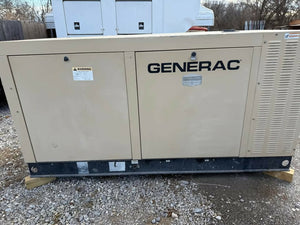
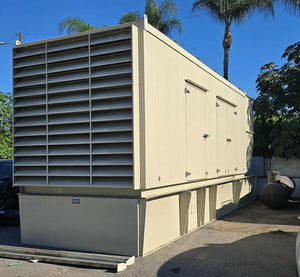
Code Compliance for Backup Power Systems
If you misclassify a backup power system, the rest of the project can go off track. In the U.S., compliance starts with one question: Is the system emergency, legally required standby, or optional standby? That single decision affects transfer time, wiring separation, testing, fuel rules, equipment listings, and what the AHJ will check before sign-off.
Here’s the short version:
- Emergency systems support life safety and must transfer within 10 seconds
- Legally required standby systems support hazard control and must transfer within 60 seconds
- Optional standby systems support business use and have no NEC transfer-time limit
- NFPA 110, IBC, IFC, OSHA, and UL listings all play a part
- Emergency wiring must stay separate from normal power wiring
- Monthly, semi-annual, and annual testing is part of compliance after startup
- Fuel issues cause 30% to 40% of generator service calls
- Records must be kept for 36 months for AHJ review
A few checks matter most before installation:
- Confirm the NEC article: 700, 701, or 702
- Match the ATS type to the grounding design
- Verify UL listings, SCCR, and generator duty rating
- Size conductors, fuel supply, and runtime to the approved design
- Plan for acceptance testing, battery checks, fuel testing, and recordkeeping
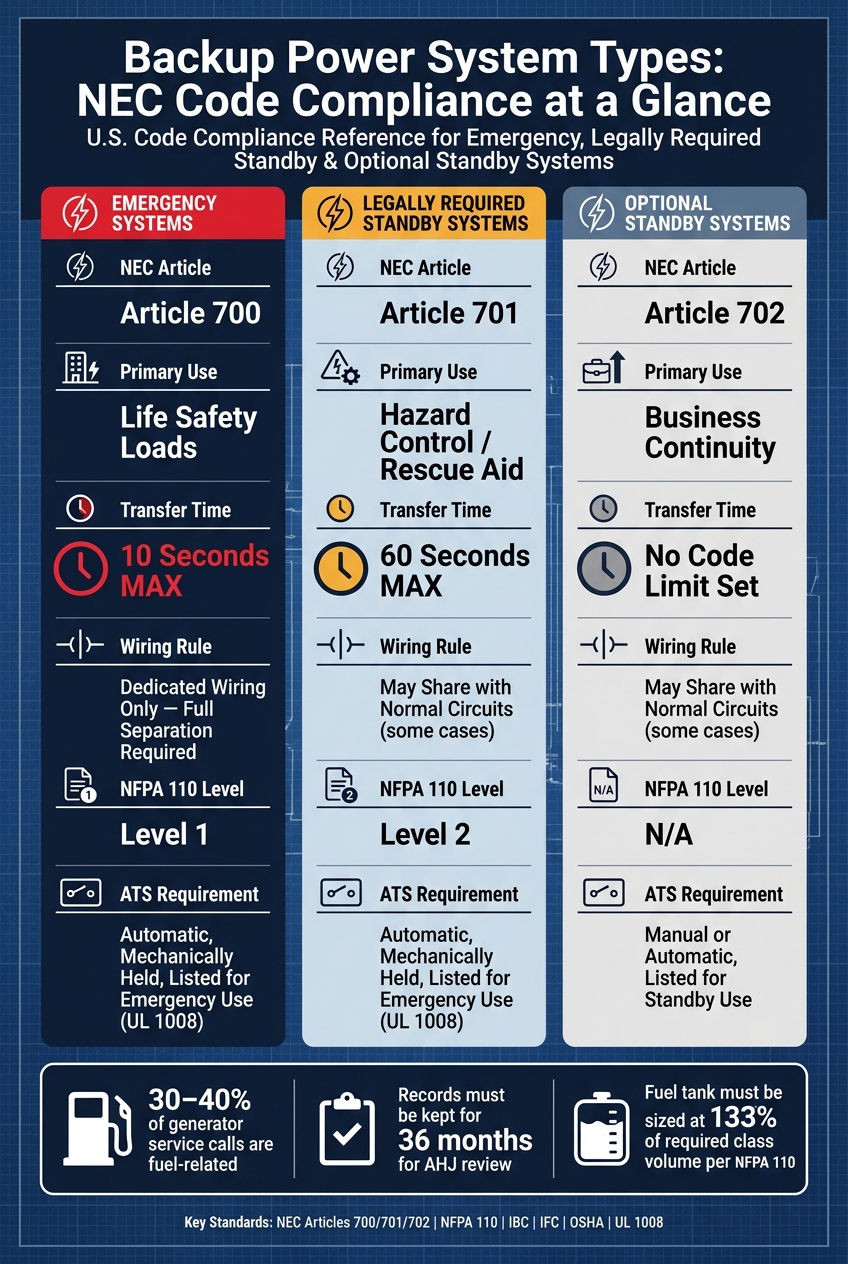
Backup Power System Types: NEC Code Compliance at a Glance
Generator and Transfer Switch Installations NEC Rules for Backup Power Setups
sbb-itb-501186b
Quick Comparison
| System Type | NEC Article | Main Use | Transfer Time | Wiring Rule | Typical NFPA 110 Level |
|---|---|---|---|---|---|
| Emergency | 700 | Life safety loads | 10 sec max | Dedicated wiring only | Level 1 |
| Legally Required Standby | 701 | Hazard control / rescue aid | 60 sec max | Can share with normal circuits in some cases | Level 2 |
| Optional Standby | 702 | Business continuity | No set code limit | Can share with normal circuits in some cases | N/A |
I’d read this topic one way: code compliance is not just about getting the generator on-site. It’s about making sure the classification, equipment, layout, testing, and records all line up before the first inspection - and stay in line after that.
Core U.S. Codes and Standards for Backup Power
NEC Rules for Wiring, Separation, Transfer Equipment, and Selective Coordination
The NEC sets the ground rules for backup power wiring, transfer equipment, and coordination. Article 700 requires full separation, while Articles 701 and 702 allow shared raceways or enclosures.
Transfer switches for emergency and legally required standby systems must be automatic, mechanically held, and listed for emergency use. Optional standby systems have more flexibility. They can use manual or automatic transfer equipment, as long as the equipment is listed and marked for standby use.
At the emergency generator, automatic ground-fault tripping is not allowed. Indication only is required. For generators larger than 15 kW, the NEC also requires two shutdown means:
- One shutdown control on the generator
- One remote stop station outside the generator room, with a mechanical reset required before restart
A short-circuit and coordination study needs to happen during design. That study isn't just paperwork. It sets up the protection scheme and helps make sure the right device opens at the right time.
Service-entrance signage is also required. It must identify emergency and standby power sources and show their locations.
With wiring and transfer rules in place, the next piece is performance compliance.
NFPA 110, IBC, IFC, and OSHA Requirements for Performance and Safety
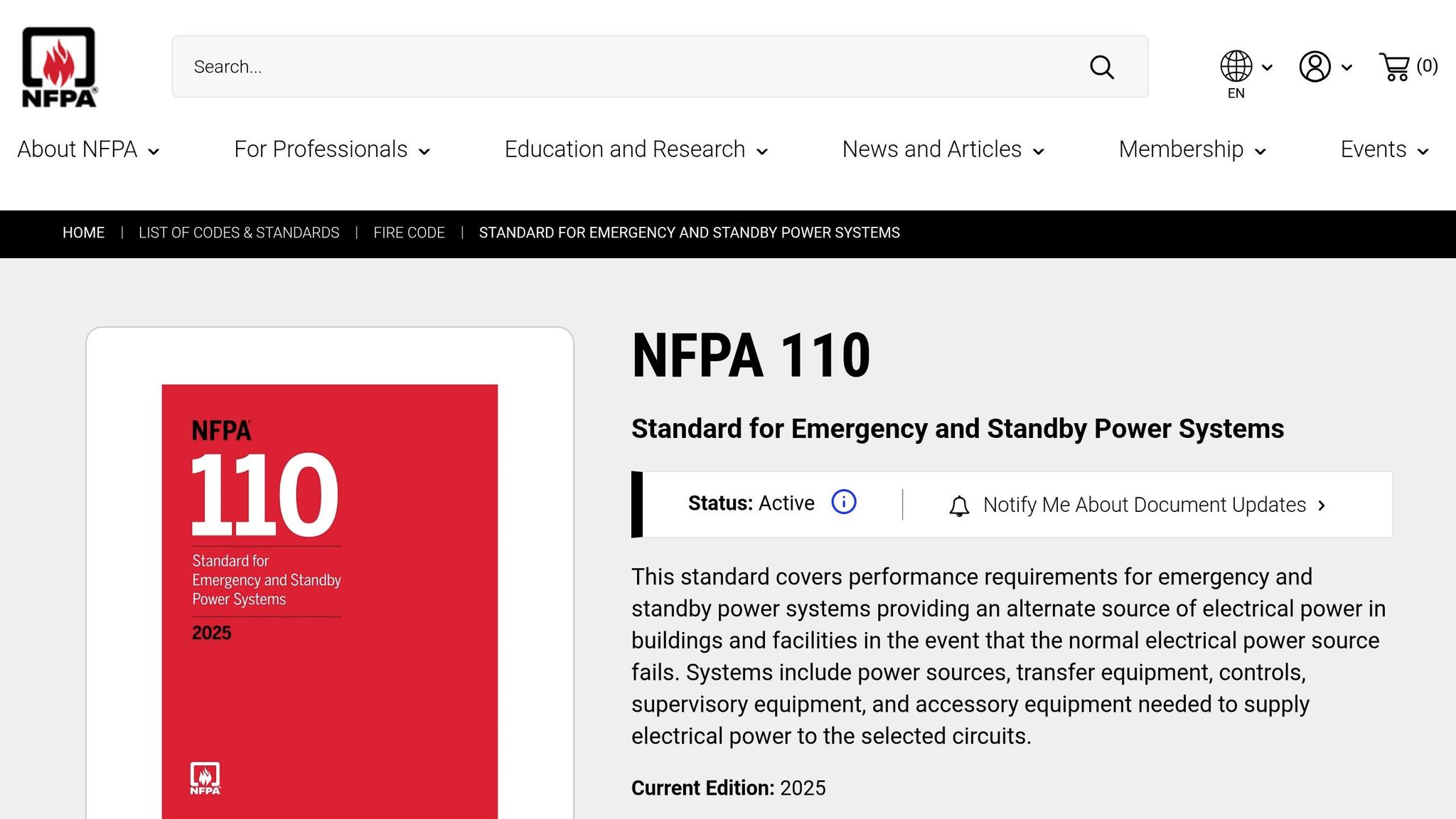
The NEC deals with electrical safety. NFPA 110 deals with system performance. It classifies systems by Level, Class, and Type.
| NFPA 110 Classification | What It Controls | Example |
|---|---|---|
| Level | Criticality: Level 1 for life safety; Level 2 for less critical systems | Life safety loads |
| Class | Minimum runtime at rated load without refueling | Class 48 = 48 hours |
| Type | Maximum time to restore power | Type 10 = 10 seconds |
As of 2024, NFPA 110 prohibits Level 1 generators from having EPA-mandated inducement shutdowns tied to emissions systems.
Fuel capacity is mandatory too. NFPA 110 requires on-site fuel tank capacity equal to at least 133% of the class fuel volume required. That matters for compliance, but it also matters in plain day-to-day operation. Fuel-related failures make up 30% to 40% of generator service calls, so this is one of those rules that hits both paper and practice.
The IBC and IFC decide when backup power is required in the first place, based on occupancy type. IBC Section 1008.3 requires emergency lighting, and the IFC requires backup power for hazardous material ventilation systems. NFPA 37 covers fire safety, building clearances, and fuel systems for stationary combustion engines. That includes the rule that generators must be at least 5 feet from operable windows, doors, vents, and combustible walls.
Level 1 EPSS units must be installed in a 2-hour rated room or placed outdoors. Keep at least 3 feet of clearance at the front and ends of the unit, and add an access platform if the unit sits above a fuel tank.
Worker safety falls under OSHA and NFPA 70E. Lockout/tagout procedures and arc-flash protection are required whenever personnel work near energized equipment. No gray area there.
After performance and safety, the next checkpoint is equipment approval.
Product Listings and Technical Standards for Equipment Approval
Listing is a code issue, not just a sales label. Before buying equipment, check that each major component carries the right listing for its job. For example, transfer switches used in emergency and legally required standby systems must be listed for emergency use, such as under UL 1008.
The same idea applies across the rest of the system, including generators, UPS units, switchgear, and batteries. Short-circuit and withstand ratings must match the one-line design. If available fault current is higher than a piece of equipment's interrupting rating, the installation does not comply. The short-circuit study sets the minimum interrupting and withstand ratings for downstream equipment.
ATS pole configuration also needs to match the grounding design. A switched neutral creates a separately derived system. A solid neutral does not. Get that mismatch wrong, and stray current problems can show up fast. It's worth confirming the ATS pole configuration before the order is placed, not after gear lands on-site.
These approval checks shape the layout and installation details that come next.
Designing a Code-Compliant Backup Power System
Load Classification, Sizing, and Required Runtime
Start with the assigned load class. That decision drives generator size, UPS size, and the transfer sequence.
Emergency loads need 10-second transfer and must be on dedicated circuits. Legally required standby systems must get power back within 60 seconds. Optional standby systems don't have a code-set transfer time.
From there, size the generator for the full combined load, or use load shedding and sequencing so emergency loads stay at the front of the line. In day-to-day design, a smart target is keeping the generator at no more than 80% of rated capacity.
Don't go too big with diesel units. If a diesel generator runs below 30% of rated capacity for too long, it can wet stack. That means unburned fuel builds up in the exhaust system.
Runtime comes from the NFPA 110 class. 2 hours is common. 6 hours may apply to some high-rise and Group I-2 occupancies under local amendments. 48 hours applies where hospital life-safety branches require it.
Once you've nailed down load priority and runtime, place the generator, ATS, UPS, and distribution gear in a way that keeps separation intact and leaves enough room for service access.
Generator, UPS, ATS, and Distribution Layout
Emergency systems usually need on-site fuel, such as diesel or propane.
ATS placement and setup need to line up with the grounding design. A 4-pole ATS is used when the generator is set up as a separately derived system. It switches the neutral and needs a grounding electrode system at the generator. A 3-pole ATS is used for non-separately derived systems, where the neutral stays solid-bonded to the service entrance.
If the site has to stay online during maintenance, use bypass-isolation ATS units.
There's also an important distribution rule here: when one generator distribution switchboard serves more than one load category, the emergency circuit breaker and feeder must sit in a separate vertical section from the legally required and optional standby devices and feeders.
That ATS decision doesn't just affect switching. It sets the grounding and bonding approach for the whole backup power path.
Grounding, Bonding, Clearances, and Environmental Conditions
Grounding and ATS type go hand in hand. A 4-pole ATS creates a separately derived system and needs a generator grounding electrode system. A 3-pole ATS keeps the neutral solid-bonded at the service entrance.
Level 1 EPSS equipment should go in a dedicated 2-hour fire-rated room that is separate from normal service equipment, or be placed outdoors. Leave 3 feet of working space and keep the equipment 5 feet from combustible walls.
Site conditions matter more than people think. Above 77°F and 3,300 feet, derate output by 0.4% per 10°F and 1.5% per 1,000 feet.
You'll also want separate combustion-air and cooling-air paths. If those air streams mix the wrong way, exhaust can recirculate and the unit can overheat.
With size, layout, and site conditions locked in, the project can move into installation, labeling, and testing.
Installation, Testing, and Maintenance for Ongoing Compliance
Once the design is approved, the next hurdle is simple in theory but strict in practice: installation, commissioning, and records. This is the point where a system either passes inspection or runs into delays.
Installation and Labeling Requirements During Construction
Field installation needs to match the approved design exactly. That includes keeping the approved separation rules in place.
Conductors that run from the generator terminals to the first overcurrent device must be sized at 115% of the nameplate current rating. In high-rise buildings, fuel lines that supply the generator must be protected by either a 2-hour fire-rated assembly or a UL 1489-tested pipe protection system.
Labeling matters too. Inspectors need to identify the system fast, without guessing or hunting things down. If the generator disconnect isn't visible from the main service disconnect, placards or a directory must be posted at the main service location showing where the generator is. A sign at the service entrance must also identify the type and location of all on-site emergency and legally required standby power systems.
After installation is complete, the focus shifts from how the system was built to how it performs on test day.
Acceptance Testing, Commissioning, and Required Documentation
Before AHJ approval, the EPSS has to prove it can do the job under actual or simulated load. During the 1.5-hour run, record:
- Voltage
- Frequency
- Current
- Oil pressure
- Water temperature
These readings must be taken every 15 minutes.
Transfer time also has to be verified directly. Level 1 systems must restore power within 10 seconds, and Level 2 systems within 60 seconds.
For the initial start, document the cranking time, the time needed to reach operating speed, and the time to reach steady state after transfer. If the site has multiple generators, the paralleling and load-shedding control functions must also be tested against the design documents during this same acceptance phase.
The turnover package should include approved one-lines, as-builts, cut sheets, startup reports, maintenance procedures, and fuel test records.
Routine Testing, Fuel Management, Battery Care, and Recordkeeping
Compliance doesn't stop once the system is commissioned. The recurring test schedule below covers the core items inspectors and facility teams look for:
| Test Type | Frequency | Minimum Duration | Load Requirement |
|---|---|---|---|
| Generator Exercise | Monthly | 30 minutes | 30% of nameplate kW |
| ATS Operation Check | Monthly | N/A | Transfer and return-to-utility |
| Semi-Annual Inspection | Every 6 months | N/A | Visual and operational checks of the full EPSS chain |
| Annual Load Test | Annually | 2 hours | 100% nameplate rating |
| Battery Service Test | Monthly | N/A | Voltage and electrolyte check |
| Fuel Quality Test | Annually | N/A | ASTM D975 standards |
Starting batteries are the number one cause of generator failure to start. That's why monthly battery voltage and electrolyte checks matter so much. It may seem routine, but this is one of those small tasks that saves a lot of trouble later.
Fuel needs the same kind of attention. Diesel breaks down over time, and 30% to 40% of all generator service calls trace back to fuel-related issues. Annual fuel quality testing should verify compliance with ASTM D975, and fuel tank capacity must be sized at 133% of the required class fuel volume under NFPA 110.
Every test result, maintenance action, and deficiency must be logged and kept for 36 months for AHJ review. The 2024 edition of NFPA 110 now explicitly allows electronic recordkeeping, as long as the records are secure, backed up, and available on demand. Those records are what inspectors lean on when they review both current status and past performance.
Local Approval, Procurement, and Key Compliance Takeaways
How to Handle Local Amendments and AHJ Review
After design and testing, local approval is the last gate.
Start with the adopted NEC and NFPA 110 editions, then check local amendments. States and municipalities adopt these on their own timelines, and some add their own changes. California is a good example. It enforces the California Electrical Code, which includes changes beyond the base NEC.
Before you submit for permit, confirm whether the system falls under NEC Article 700, 701, or 702 with the AHJ. That call shapes the full review path, including which reviewers and approvals come into play. It also helps to line up electrical, mechanical, and fire marshal review early, especially for fuel piping, seismic restraint, and egress.
Once the submittal is set, order equipment that matches it exactly. No swaps based on “close enough” catalog specs. A complete submittal package should include:
- One-line diagrams
- Grounding calculations
- Equipment data sheets
- Listing certificates
- Fuel duration reports
- Proposed maintenance logs
Procurement Checks for Code-Compliant Equipment
Listings and ratings on the data sheet need to match the approved design, not just the product catalog.
Transfer switches must have a UL 1008 listing and be field-marked with their short-circuit current rating (SCCR). Check the generator duty rating too - ESP, PRP, or COP - and make sure it fits the intended use. For Level 1 systems, confirm the engine does not have EPA-mandated inducement shutdowns.
If you're sourcing equipment through Electrical Trader, compare the nameplate data, condition records, and listing certificates against the approved design before purchase.
Conclusion: Key Compliance Points to Verify Before Installation
Before energizing, check three things: approval, equipment match, and maintenance plan.
Classify the system correctly. Buy listed equipment that matches the approved submittal. Document testing. Then keep the maintenance side in order. Code compliance and operational readiness are not the same thing, and both need attention. Ongoing testing and recordkeeping are what keep the system compliant after final inspection.
FAQs
How do I classify my backup power system?
Refer to NEC and NFPA definitions to classify your backup power system based on its purpose and how critical the load is.
- Emergency systems: Serve safety-critical loads and must be available within 10 seconds
- Legally required standby systems: Support important safety loads and must be available within 60 seconds
- Optional standby systems: Serve loads that aren’t tied to life safety, such as data processing or industrial processes
When do I need a 3-pole vs. 4-pole ATS?
Use a 3-pole ATS when the generator is not a separately derived system and the neutral is bonded to ground at the main service.
Use a 4-pole ATS when the system is a separately derived source, with the neutral switched and bonded at the generator, to support proper ground-fault detection and system operation.
What records should I keep for AHJ inspections?
Keep records of:
- Manufacturer installation drawings
- Load bank test reports
- Electrical single-line and fuel system diagrams
- Grounding calculations
- Permit documentation and inspection reports
- Maintenance logs and code compliance certifications