

Ultimate Guide to Low-Voltage Breaker Maintenance
Low-voltage circuit breakers are essential for protecting electrical systems from overloads and short circuits. Regular maintenance ensures these devices function properly, preventing costly failures, safety risks, and downtime. Here's what you need to know:
- What They Do: These breakers safeguard circuits operating under 1,000 volts AC or 1,500 volts DC, commonly found in homes, commercial buildings, and industrial setups.
- Why Maintenance Matters: Neglecting upkeep can lead to 80% of electrical equipment failures, including nuisance trips, electrical fires, and expensive repairs. Facilities with structured maintenance reduce downtime by 35-45% and extend equipment lifespan by 20-30%.
-
Key Maintenance Steps:
- Safety First: Always de-energize breakers, follow lockout/tagout (LOTO) procedures, and wear proper PPE.
- Visual Inspections: Check for damage, contamination, and wear on contacts and components.
- Cleaning & Lubrication: Use appropriate cleaners and lubricants to ensure smooth operation while avoiding damage.
- Testing & Calibration: Perform routine and in-depth diagnostics, including insulation resistance and contact resistance tests.
Stick to manufacturer-recommended schedules, adjust for harsh conditions, and keep detailed records for compliance and long-term reliability.
Pro Tip: Regular maintenance can reduce unexpected failures by 90% and save significant costs compared to emergency repairs.
Circuit Breaker Maintenance Fundamentals, NETA Standards - Webinar

sbb-itb-501186b
Safety Precautions Before Starting Maintenance
Before working on any low-voltage circuit breaker, prioritizing safety is non-negotiable. Electrical maintenance carries serious risks, including shocks, burns, and arc flash incidents. Adhering to safety protocols protects both you and your equipment from potential harm.
De-Energizing and Lockout/Tagout Procedures
The lockout/tagout (LOTO) process is your first line of defense against accidental energization during maintenance. S. Dee Jepsen, Associate Professor and State Safety Leader at The Ohio State University, emphasizes:
"Lockout/tagout procedures should be used any time an electrical device or circuit is being serviced".
This isn't just a best practice - it’s a legal requirement under OSHA standard 29 CFR 1910.147. This standard frequently ranks among OSHA's top 10 most cited and is credited with preventing approximately 120 fatalities annually.
Here’s how to carry out LOTO effectively:
- Identify all power sources connected to the breaker.
- Notify all relevant personnel about the equipment shutdown.
- Turn off the breaker using the manufacturer’s recommended procedure. Simply flipping the breaker isn’t enough - secure each energy-isolating device with assigned locks and tags, and keep the key under your control.
Be cautious of stored energy. Capacitors may retain dangerous voltage, and mechanical springs could still be under tension even after shutdown. Discharge all stored energy completely before proceeding.
Lastly, confirm the equipment is de-energized. Attempt to restart the device and use a multimeter to verify zero voltage. This double-check ensures no energy remains and prevents any missteps.
Once the circuit is confirmed safe, equip yourself with the proper personal protective equipment (PPE) before continuing.
Personal Protective Equipment (PPE)
Always wear the appropriate PPE, which includes:
- Insulated gloves rated for the circuit voltage
- A face shield
- Flame-resistant clothing
- Safety glasses (worn under the face shield)
- Insulated tools
The specific PPE required depends on the arc flash hazard level, which should be determined through a prior risk assessment.
Manufacturer Guidelines and Pre-Maintenance Checks
Once safety measures are in place, follow the manufacturer’s instructions closely. Every circuit breaker model has unique features, making these guidelines essential. Review the equipment manual for details on shutdown procedures, torque specifications, and recommended maintenance intervals.
Before starting, visually inspect the work area for hazards like water, debris, or damaged insulation. Confirm that all test equipment is properly calibrated and functioning. These pre-maintenance checks are vital for avoiding unnecessary troubleshooting and ensuring a safe, efficient process.
Key Maintenance Tasks for Low-Voltage Circuit Breakers
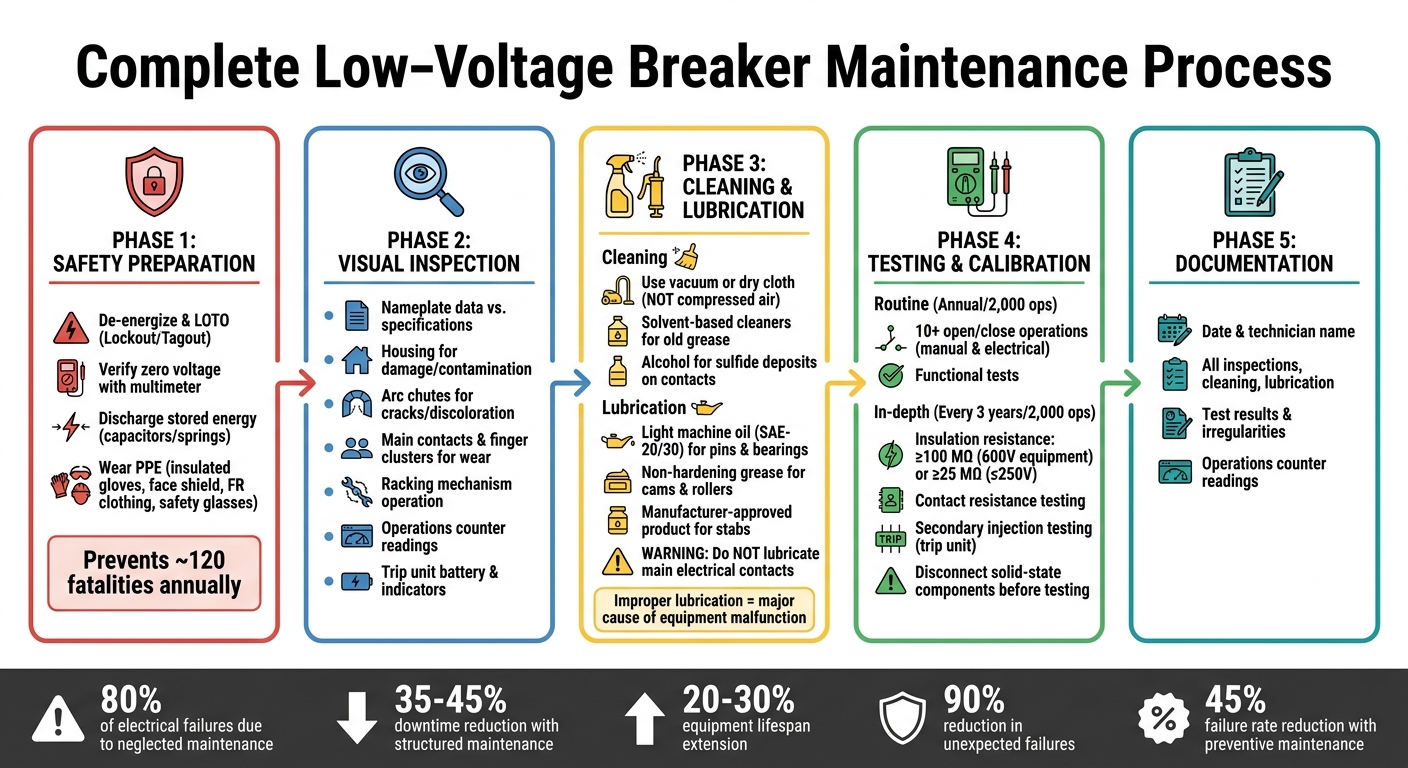
Low-Voltage Circuit Breaker Maintenance Process: Safety to Testing
Once safety measures are in place, it's time to focus on the essential maintenance activities that keep low-voltage circuit breakers operating effectively. These tasks fall into three main areas: visual inspections, cleaning and lubrication, and testing and calibration.
Visual Inspections
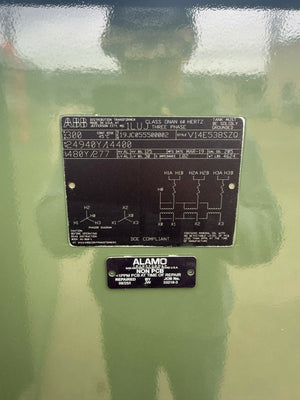
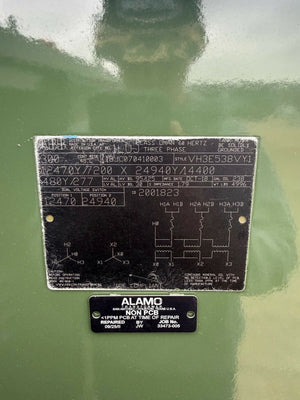
Start by confirming the physical condition of the breaker. Check that the nameplate data aligns with the jobsite drawings, ensuring the frame size, ampacity, and interrupting ratings meet specifications.
Inspect the breaker housing for any signs of damage or contamination. Pay close attention to the arc chutes - damaged chutes can fail to extinguish electrical arcs properly, which may lead to prolonged arcing and damage to the contacts. Look for cracks, discoloration, corrosion, or any other abnormalities on both external and internal components. Contaminated insulation can lead to tracking and eventual failure, so this step is critical.
Examine the main contacts and finger clusters for wear or damage. Ensure that the breaker fits securely in its cell and that the racking mechanism operates smoothly. If resistance is encountered, check for bent guides or misalignment in the cell. Record the operations counter readings to estimate the breaker's service life and plan future maintenance. Lastly, inspect the trip unit battery and verify that all trip and pickup indicators are functioning correctly.
Cleaning and Lubrication
Cleaning and lubrication are separate tasks that require careful attention and the right products. Use solvent-based cleaners to remove old, hardened grease, but remember that these are not suitable for lubrication.
"Improper lubrication has been a major cause of equipment malfunction and can lead to serious consequences", according to the Health and Safety Executive.
Field technicians often encounter issues caused by insufficient or incorrect lubrication. Solvent-based lubricants, in particular, tend to evaporate over time, leaving components vulnerable.
For lubrication, apply a manufacturer-recommended product to primary and auxiliary connections (stabs) to reduce resistance during racking and minimize metal-to-metal wear. Use light machine oil (SAE-20 or SAE-30) for pins and bearings, and non-hardening grease for cams and rollers. Heat from current flow can dry out pivot points, so regularly exercising the breaker helps redistribute grease effectively.
Avoid lubricating the main electrical contacts, as heat can degrade lubricants and increase contact resistance, leading to pitting. If you notice sulfide deposits on the contacts, clean them with alcohol. Use minimal lubricant to avoid attracting dust and debris.
For general cleaning, use a vacuum cleaner or dry cloth to remove dust. Avoid compressed air, as it can push contaminants deeper into the mechanism. Once cleaning and lubrication are complete, test the breaker's functionality to confirm proper operation.
Testing and Calibration
Testing is the final step to ensure the breaker's reliability after visual and mechanical maintenance. This process is divided into routine maintenance and in-depth diagnostics. Routine checks should be performed annually or every 2,000 operations, while detailed diagnostics are recommended every three years or 2,000 operations.
Routine maintenance includes visual inspections, cleaning, lubricating external linkages, and performing functional tests. Conduct at least ten opening and closing operations - both manually and electrically - to confirm the mechanism works smoothly.
In-depth diagnostics go further, incorporating insulation resistance tests, contact resistance tests, and secondary injection testing of the trip unit. For insulation resistance testing, equipment rated at 600 volts should measure at least 100 Megohms, while equipment rated at 250 volts or less should measure 25 Megohms or higher. Disconnect solid-state components and surge protection devices before testing, as the 500V–1,000V DC test voltage can damage these parts.
Contact resistance testing evaluates the condition of the main contacts, ensuring they are not excessively worn or corroded, which could lead to overheating. Secondary injection testing simulates faults to verify the breaker's trip unit operates within the manufacturer's specified time-current curves. If your breaker is exposed to dusty or harsh environments, consider increasing the maintenance frequency to account for accelerated wear.
Maintenance Schedules and Best Practices
Recommended Maintenance Intervals
Stick to the maintenance schedule outlined by the manufacturer. These guidelines are tailored to the equipment's design and typical usage. If your machinery operates in challenging conditions, like extreme temperatures or dusty environments, it’s wise to increase the frequency of inspections. Regular checks help identify potential problems before they turn into costly repairs, keeping performance in line with manufacturer expectations.
Following OEM Manuals
The Original Equipment Manufacturer (OEM) manuals are your go-to resource for everything from torque specifications to approved lubricants. They also include calibration procedures and troubleshooting advice. By comparing your equipment’s performance to OEM standards, you can spot irregularities early and prevent premature wear.
"Preventive maintenance increases equipment lifespan, reduces unplanned downtime, and eventually lowers long-term maintenance costs." – TrackoBit
Taking care of minor issues before they escalate can save you significant repair costs. Plus, planning maintenance in advance allows you to order parts or materials in bulk, which can further reduce expenses. Alongside following OEM guidelines, keeping detailed records is equally important for ensuring reliability over time.
Recordkeeping for Maintenance Activities
Keep a clear record of all maintenance tasks, including inspections, cleaning, lubrication, and test results. Each entry should include the date, the technician’s name, and any irregularities observed. This data helps track equipment performance over time, making it easier to spot trends, prioritize maintenance tasks, and fine-tune service intervals.
"Any cleaning, lubrication, charging, and other maintenance performed on assets and equipment should be documented. This makes it possible for the maintenance team to determine precisely what kind of servicing is needed and when." – TrackoBit
Whether you use a digital system or stick to paper logs, consistency is key. A standardized approach not only simplifies planning for major overhauls or equipment replacements but also proves invaluable during regulatory audits or when justifying maintenance decisions.
Conclusion
This section highlights essential practices to ensure your low-voltage circuit breakers remain safe and dependable.
Key Takeaways
Safety is non-negotiable. Always confirm the breaker is fully de-energized before performing any maintenance. Follow established lockout/tagout procedures, use a voltage tester to verify zero energy, and wear proper PPE like insulated gloves and arc-rated clothing. Electrical hazards are a serious concern - OSHA reports approximately 4,000 injuries and 800 fatalities annually in the U.S., many of which could be avoided with proper safety measures and equipment upkeep.
Routine inspections prevent bigger issues. During visual checks, look for signs of trouble such as burn marks, corrosion, loose connections, or damaged insulation. Clean the breaker using a vacuum or dry cloth, and use isopropyl alcohol for more stubborn grime. Test critical parameters like insulation resistance, contact resistance, and trip curves with calibrated tools to ensure the breaker meets manufacturer standards.
Follow a maintenance schedule. Stick to the intervals recommended by the manufacturer, but adjust for environmental factors. Industrial environments often require semi-annual inspections, while harsher conditions - like exposure to salt or chemicals - may call for quarterly checks. Preventive maintenance has been shown to reduce failure rates by as much as 45%.
Keep detailed records. Document every inspection and test, noting dates, technician names, and any findings. Tracking this information helps you identify patterns, plan replacements, and ensure compliance during audits. These practices not only improve safety and reliability but also make inventory planning more efficient.
How Electrical Trader Can Help
Electrical Trader simplifies your maintenance efforts by offering a wide range of reliable components. Regular maintenance extends the life of your equipment, but having dependable spare parts on hand is equally important. Whether you need to replace a faulty breaker or build up your inventory of critical spares, Electrical Trader connects you with new and used low-voltage circuit breakers, transformers, switches, and other essential power distribution components. With access to products from leading manufacturers, Electrical Trader ensures you're equipped to reduce downtime and keep your systems running efficiently. Whether it's an emergency replacement or proactive inventory planning, this platform has you covered.
FAQs
Which breaker maintenance tasks require a licensed electrician?
Tasks that need a licensed electrician include inspections and tests involving electrical measurements or adjustments. These tasks often involve insulation resistance testing, contact resistance measurement, timing tests, dielectric testing, and any internal component adjustments. Since these procedures deal with live electrical parts and high voltages, they come with serious safety risks. While trained personnel may handle basic visual inspections, any testing or adjustments must be left to licensed professionals to ensure safety and compliance with regulations.
What are the warning signs a low-voltage breaker needs immediate service?
Frequent tripping, flickering lights, burn marks, corrosion, overheating, or a burning smell are all warning signs that a low-voltage breaker needs attention. Ignoring these issues could lead to more damage or even electrical hazards, so it’s crucial to act quickly.
What test equipment do I need for insulation and contact resistance testing?
For insulation resistance testing, you’ll need a megohmmeter (also known as an insulation resistance tester) to measure how well the insulation material resists electrical current. On the other hand, for contact resistance testing, a contact resistance meter or micro-ohmmeter is essential for assessing the conductivity of circuit breaker contacts. These devices are critical for confirming that the breaker’s insulation and contacts operate safely and efficiently.