

Ultimate Guide to Maximizing Electrical Equipment Resale Value
Want to get the most out of your used electrical equipment? Proper preparation, pricing, and timing can turn surplus items into a financial asset. From transformers to generators, resale value depends on maintenance, condition, and market demand. This guide covers everything from cleaning and documentation to choosing the right sales channel.
Key Takeaways:
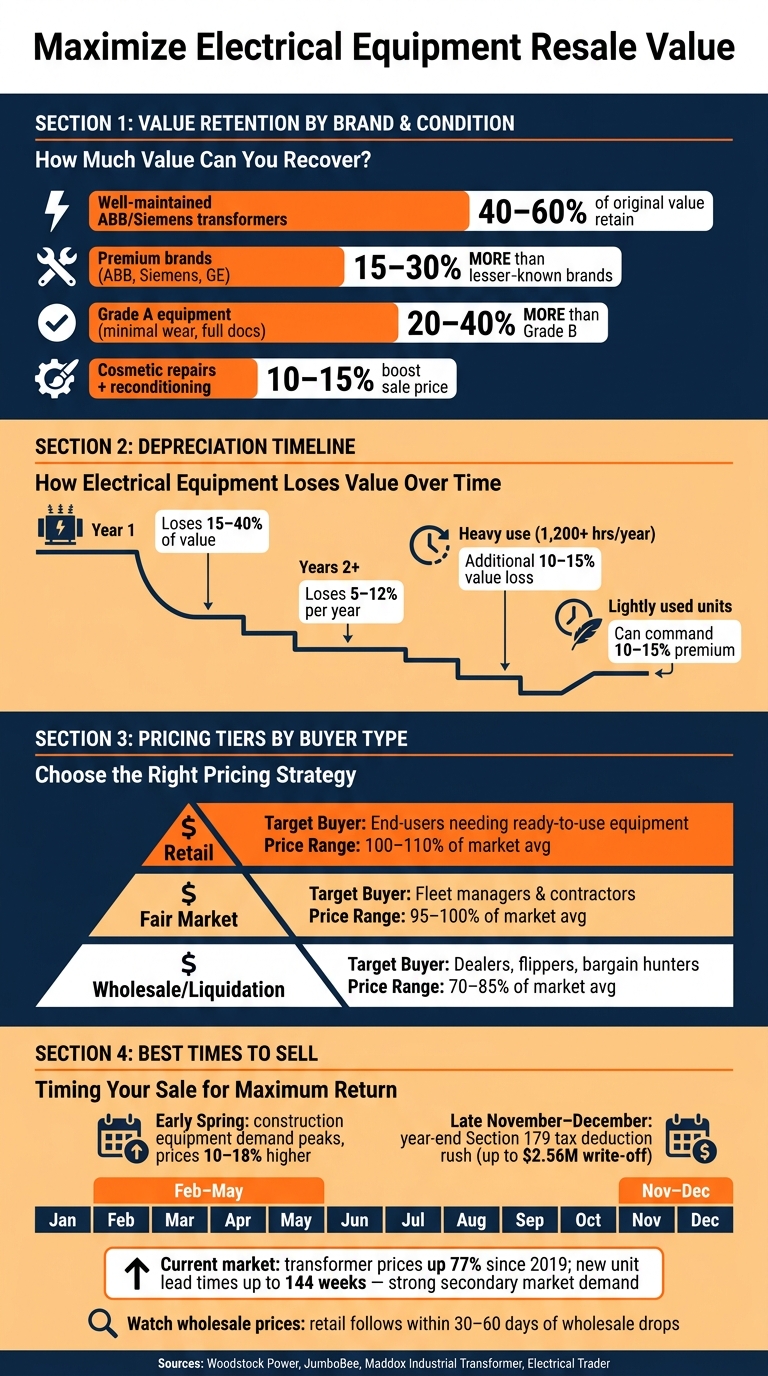
- Resale Value Basics: Well-maintained equipment like ABB or Siemens transformers can retain 40–60% of their original value.
- Preparation Matters: Clean, repair, and document your equipment to boost its appeal and price.
- Market Trends: Demand for used transformers is high due to long lead times for new units.
- Timing is Key: Sell during peak periods like early spring or year-end for better returns.
- Sales Channels: Specialized platforms like Electrical Trader can help reach industry buyers.
The bottom line? Treat surplus equipment as an asset, not waste. With the right approach, you can maximize its resale value and reduce hidden costs like storage.
Electrical Equipment Resale Value: Key Factors, Pricing Tiers & Timing Guide
Factors That Affect Electrical Equipment Resale Value
Age, Brand, and Technology Generation
The resale value of electrical equipment is heavily influenced by its age, brand, and the generation of technology it represents. These factors play a critical role in determining the return you can expect when selling used equipment.
Older equipment tends to lose value faster, much like high-mileage vehicles. However, age isn’t the only consideration. A well-maintained 15-year-old transformer from trusted brands like ABB or Siemens may still hold its value better than a newer unit from a lesser-known manufacturer. Recognized names such as ABB, Siemens, GE, Square D, and Eaton often command higher resale prices due to their reputation for reliability and the ease of sourcing replacement parts.
The relevance of the technology is equally important. Buyers are increasingly drawn to equipment with modern features like digital monitoring, automation, and remote shutoff capabilities. As utilities continue to modernize grids and incorporate renewable energy systems, the demand for "smart" technology grows. On the other hand, equipment running on outdated analog systems will likely fetch lower offers, reflecting its reduced utility in today’s market.
Equipment Condition and Testing Reports
The physical and operational condition of your equipment is another major factor. Buyers carefully inspect for visible issues such as oil or fuel leaks, cracked tubing, frayed wires, rust, and dents. While minor issues can often be repaired, significant damage may render the equipment unsellable.
"While not all mechanical wear and tear may be visible, there are certain items that may be clearly visible... these are smaller items that may be easily addressed, but can affect the resale value." - Woodstock Power Company
More than just appearances, diagnostic testing can make or break a deal. Tests like Transformer Turns Ratio (TTR), Winding Resistance, and Insulation Resistance (Megger) ensure that the equipment meets performance standards, giving buyers confidence in their purchase. For example, Maddox Industrial Transformer performs these tests on all used dry-type units, allowing them to offer a five-year warranty on their equipment. This kind of thorough testing and documentation can significantly enhance resale value, even if the unit shows cosmetic wear.
In addition to physical condition and testing, compliance with regulatory standards is essential for maintaining marketability.
Compliance and Documentation
Adhering to regulatory requirements is critical for resale. According to NEC 110.21(A), reconditioned equipment must be clearly labeled as such, with the original listing mark replaced by a rebuilt equipment listing mark from an approved laboratory. Certain items, like molded-case circuit breakers (MCCBs), cannot be legally reconditioned at all under NEC 240.88(A). Failing to meet these standards doesn’t just lower value - it can eliminate the equipment from the resale market entirely.
"If the seller cannot provide meaningful documentation, the price discount may not be worth the operational risk." - Joe, Professional Electrician, VIOX Electric
Complete and accurate documentation, including original manuals, maintenance logs, and validated Manufacturer Part Numbers (MPNs), can greatly enhance resale negotiations. As the ARCA Editorial Team explains:
"Surplus inventory does not become valuable simply because it is acquired. Its value is determined by how well it is evaluated."
sbb-itb-501186b
How to Prepare Electrical Equipment for Resale
Maintenance and Cosmetic Improvements
First impressions are everything, even when it comes to industrial equipment. If your hardware looks neglected - dirty, corroded, or incomplete - buyers will assume the worst, and that perception can directly lower their offers. Putting in the effort to clean and professionally prepare your equipment can boost its final sale price by 10–15%. That’s a return worth the work.
Start by cleaning all panels, fasteners, and enclosures. For larger assets like transformers or switchgear, this might involve surface blasting, removing corrosion, and applying a fresh protective coating. But don’t stop at appearances - functionality matters even more. Replace worn gaskets, seals, and sensors, and address any performance-related issues to avoid significant value drops. If the equipment is oil-filled, make sure to filter or replace the oil as necessary.
"A properly reconditioned transformer is not a 'temporary fix.' ... It allows companies to keep proven equipment in service while avoiding the financial and environmental costs of full replacement." - Boundary Electric
Here’s a quick look at which maintenance actions have the biggest impact:
| Maintenance Action | Impact on Resale Value |
|---|---|
| Cosmetic Repairs | High (shortens time-to-sale) |
| Functional Refurbishment | Critical (prevents sharp value drops) |
| Professional Reconditioning | Very High (strategic ROI) |
| Data Sanitization | Mandatory (risk mitigation) |
One step that’s often overlooked: securely erasing embedded data and network configurations. Use guidelines like NIST Special Publication 800-88 to ensure proper data erasure, and keep a signed record of the process for your compliance files.
Once your equipment is in peak condition, the next step is to organize and present its history and performance documentation.
Organizing Key Documents
After refurbishing your equipment, thorough documentation is critical. Buyers need proof of quality, and having the right paperwork can justify your asking price and speed up the sale process.
At a minimum, buyers expect to see original manuals, maintenance logs, calibration certificates, and testing reports covering electrical safety, mechanical integrity, and performance under load. Component replacement records are also key - detailed logs showing which parts were replaced, along with supplier information and part numbers, demonstrate that the refurbishment met or exceeded OEM standards.
"Refurbished equipment compliance requires comprehensive documentation including compliance certificates, testing reports, quality assurance records, and regulatory approvals." - MT Unirepair B.V.
To go the extra mile, take these two practical steps:
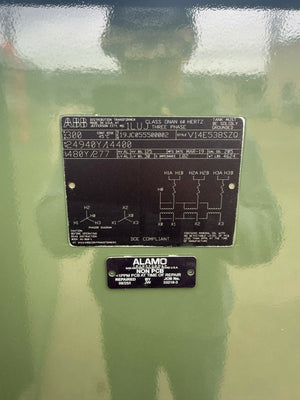
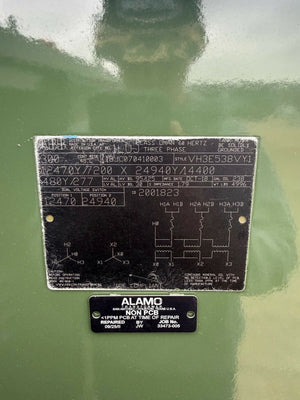
- Photograph everything. Capture serial number plates, multiple angles of the equipment, and, if possible, a short video of the unit running or showing diagnostic boot logs.
- Double-check the Manufacturer Part Number (MPN). Verify the MPN - including suffixes and revision codes - against physical markings before listing the equipment. A mismatched MPN can lead to disputes or even kill a deal after the sale.
Safe Decommissioning and Storage Practices
Once the documentation is complete, proper decommissioning and storage ensure the equipment stays in top condition until it reaches the buyer.
Start by following strict safety protocols for high-voltage disconnection. For oil-filled units, drain all fluids before moving the equipment. This not only simplifies handling but also prevents environmental violations. If you’re disassembling the equipment, identify salvageable components like copper windings or steel cores beforehand - careless dismantling can damage valuable parts that could boost the resale price.
Storage conditions are equally important. Keep the equipment in a dry, covered, weather-proof facility to avoid rust and corrosion. If indoor storage isn’t an option, heavy-duty plastic sheeting or tarps can work as a temporary solution. Whenever possible, store items in their original manufacturer packaging. Equipment with original packaging is often graded as Unused Original Packaging (NSB), which commands a higher price than items repackaged as Unused Repackaged (NNB). Finally, avoid holding onto decommissioned equipment for too long - extended storage increases the risk of degradation and theft.
"Proper storage before sale can make a significant difference in its resale value and environmental impact." - JJ Liquidations
Pricing and Timing Your Electrical Equipment Sale
Researching Market Trends and Benchmark Prices
Once your equipment is ready for sale, the next step is figuring out its real market value. Be cautious - asking prices on listings can be misleading because they’re often inflated. Instead, use tools like eBay’s "Sold Items" filter to see what similar units actually sold for. This gives you a much clearer idea of the realistic pricing floor.
The condition of your equipment plays a huge role in determining its price. For instance, a top-tier (Grade A) asset - one with minimal wear, full documentation, and a clean appearance - can fetch 20% to 40% more than a Grade B item. Plus, Grade A equipment opens the door to premium retail buyers, making any refurbishment efforts well worth it.
When setting a price, include a 5%–10% buffer above your minimum acceptable price. This allows for some negotiation, which buyers often expect, and can help close deals faster without cutting into your bottom line. If your listing doesn’t attract interest within the first week, it might be overpriced by 20% to 30%. In that case, consider dropping the price by 10% to 15% every 7 to 10 days until inquiries start coming in.
"Pricing machinery is the most critical decision in the resale process. Set the price too high, and your capital sits rusting in the yard... Set it too low, and you leave thousands of dollars on the table." - JumboBee
Here’s a quick breakdown of pricing strategies based on target buyers:
| Pricing Tier | Strategy | Target Buyer | Price Range |
|---|---|---|---|
| Retail | High return, slower sale | End-users needing ready-to-use equipment | 100%–110% of market average |
| Fair Market | Balanced approach | Fleet managers and contractors | 95%–100% of market average |
| Wholesale/Liquidation | Quick sale, lower price | Dealers, flippers, and bargain hunters | 70%–85% of market average |
Using these pricing tiers strategically can help you maximize the return on your equipment while aligning with your sales goals.
How Depreciation Affects Resale Value
Depreciation is a major factor to consider when pricing your equipment. Most electrical equipment loses 15% to 40% of its value in the first year alone, depending on its type and usage. After that initial drop, depreciation slows to about 5% to 12% per year, but this rate can vary based on operating hours and overall condition.
Interestingly, usage often matters more than age. Equipment that’s heavily used - logging over 1,200 hours annually - can lose an extra 10% to 15% in value. On the flip side, lightly used units can command a 10% to 15% premium.
Depreciation isn’t just about wear and tear, though. Functional obsolescence can also hurt resale value. For example, newer models with better energy efficiency or updated features can make older equipment less appealing. Similarly, regulatory changes or shifts in market demand can reduce value, even for well-maintained assets.
"Book value tells you what you were allowed to deduct. It does not tell you what your equipment is worth." - Rhett Crites, Founder & Certified Heavy Equipment Appraiser
The lesson here? Don’t wait too long to sell. Holding onto equipment until it’s fully depreciated could leave you stuck in a weaker market with fewer buyers.
When to Sell for the Best Return
Timing your sale can make a significant difference in your returns. For example, demand for construction equipment typically peaks between February and May, with prices often running 10% to 18% higher than during the off-season. If your equipment has been sitting idle over the winter, listing it in early spring could give you a financial boost.
Current market conditions also play a role. Transformer prices, for instance, have surged 77% since 2019. A distribution-class transformer that cost $3,730 in 2020 now starts at $7,879 as of March 2026. With lead times for new large power transformers stretching up to 144 weeks, buyers are increasingly turning to the used market.
December is another prime time to sell, especially in the U.S. Buyers often rush to make year-end purchases to take advantage of Section 179 tax deductions, which allow for up to $2,560,000 in write-offs for the 2026 tax year. Listing your equipment in late November positions you to capture this demand.
Another timing tip: keep an eye on wholesale prices. These tend to shift faster than retail values. If wholesale prices start dropping, retail prices usually follow within 30 to 60 days. Seeing this trend can signal it’s time to list your equipment before the market softens further.
Flipping Equipment 101: My Strategy for Maximum Profit
Where and How to Sell Used Electrical Equipment
Once your equipment is ready and priced, choosing the right sales channel can make all the difference in how much you earn from the sale.
Overview of Sales Channels
Where you sell your equipment plays a big role in determining your final return. Each sales channel comes with its own balance of speed, effort, and value recovery. Here's a breakdown of the main options:
| Sales Channel | Speed | Value Recovery | Best For |
|---|---|---|---|
| Specialized Marketplace (e.g., Electrical Trader) | Moderate | High | Selling directly to industry professionals |
| General Marketplace | Moderate | Moderate | Smaller or mid-value items |
| Specialized Auctions | Fast | Variable | High-value, heavy equipment |
| Liquidation Sales | Very Fast | Low | Mixed lots, outdated items, or urgent sales |
| Manufacturer Trade-In Programs | Fast | Low | Convenience and procurement credits |
| Direct B2B Sales | Moderate | Moderate | Local sales to established contacts in the industry |
If you have high-value, functional equipment, specialized platforms like Electrical Trader are your best bet for getting the highest return. For quick clearance of lower-value or outdated stock, liquidation sales are ideal. Manufacturer trade-in programs, while convenient, often yield the lowest return since they usually offer procurement credits instead of cash. Selecting the right channel is just the first step - how you present your listing also plays a key role in attracting buyers.
How to Use Electrical Trader for Resale
For those looking to sell through a specialized marketplace, Electrical Trader offers a streamlined solution. Electrical Trader connects sellers with buyers specifically interested in used power distribution equipment, ensuring your items aren’t lost among unrelated products.
The platform supports a wide variety of equipment categories, including breakers, transformers (dry-type and oil-filled), switchgear, motor control centers, and diesel or natural gas generators. Sellers can choose a fixed-price listing for standard items or a "Make an Offer" format for higher-value assets like transformers or generators, where prices can vary based on market demand. For items priced above $5,000, filling out SEO meta fields can improve search visibility and attract more buyers.
Listings are typically approved within 24–48 hours, and a flat 10% commission (excluding shipping) applies. Pricing plans start at $19.99 per month for up to five product listings. Higher-tier plans include perks like newsletter features and priority search rankings, which can help boost visibility.
What to Include in Your Listings
A well-detailed listing answers potential buyers' technical questions upfront, saving time and building trust. Avoid vague titles - use specific formats like "Year + Brand + Model + Key Spec + Condition" (e.g., "2021 Square D 800A Low Voltage Switchboard 480V 3-Phase") to make your listing more searchable.
Key details to include are:
- Manufacturer name and model number
- Voltage ratings, KVA or amperage, phase, and frequency
- Supporting documents like maintenance logs, test reports (e.g., megger, turns ratio, oil analysis), and the original purchase invoice (if available)
- For transformers: cooling method and winding configuration
- For generators: fuel type and EPA Tier Rating
"Effective listing photos clearly show what the equipment is, its condition, and proof of quality." - Jordan Mercer, Senior Marketplace Editor, Equipment Link
Include at least 10 high-quality photos, especially of the manufacturer’s nameplate, as this detail is crucial for serious buyers. Clearly label the equipment's condition as New, Used, Refurbished, or Parts/Not Working to set accurate expectations and avoid disputes after the sale.
Another effective tip is to use the "Compare at Price" field to display the original retail cost alongside your asking price. This helps buyers immediately see the savings they’re getting, making your price more appealing and potentially speeding up the sale.
Conclusion: Building a Resale Value Strategy
Key Takeaways
Maximizing resale value isn’t about luck - it’s about preparation. Factors like condition, documentation, and timing all play a critical role in determining recovery. Regular maintenance helps preserve a large portion of the original value, while detailed documentation - such as service logs, test reports, and nameplate photos - reduces buyer hesitation, often leading to better offers. Timing is equally important: with new transformer lead times now stretching 60 to 80 weeks, the secondary market is experiencing significant demand. Sellers who act during these supply shortages often see higher returns.
The brand of equipment also carries long-term weight. Products from manufacturers like ABB, Siemens, and GE consistently fetch 15% to 30% higher resale prices compared to lesser-known brands. This premium value begins at the time of purchase and remains throughout the equipment’s lifecycle.
"The difference between surplus and liability is consistency. Strong evaluation processes turn excess inventory into a controlled, repeatable recovery system." - ARCA Editorial Team
Adding Resale Value to Your Asset Management Plan
Resale value shouldn’t be treated as an afterthought. Instead, it should be woven into your overall asset management strategy. Many businesses wait until equipment becomes idle to think about resale, missing out on opportunities for better financial recovery. Taking a proactive approach can change this outcome entirely.
Develop an internal policy that includes regular audits, centralized documentation of nameplate data and maintenance records, and pre-sale compliance checks. These steps are relatively low-cost but require consistent follow-through.
When it’s time to sell, choose the right recovery path. High-quality, functional equipment should go through controlled resale channels where buyers are willing to pay for reliability. Liquidation, on the other hand, is best suited for quick sales or mixed inventory lots - it shouldn’t be your default strategy.
"Accurate valuation reporting allows organizations to evaluate operational risk while improving asset allocation strategies throughout the equipment lifecycle." - TMX Group
FAQs
Which tests should I run before listing my equipment?
Before putting your equipment on the market, it's important to conduct a detailed evaluation to build trust with potential buyers. Start by performing a visual inspection - look for any signs of damage, corrosion, or overheating. Make sure all components, hardware, and documentation are accounted for and in good condition.
Next, carry out essential tests to confirm functionality. For example:
- Insulation resistance tests to check electrical integrity.
- Contact resistance tests to ensure proper connections.
- For transformers, run winding resistance or turns ratio tests.
- For rotating machinery, conduct vibration analysis to detect mechanical issues.
Keep detailed records of all test results and the equipment's maintenance history. This information will not only make your listing on Electrical Trader more credible but also reassure buyers about the equipment's reliability.
What paperwork do buyers want to see most?
To get the best resale value, it's crucial to have proper documentation that backs up the equipment's history, condition, and authenticity. Buyers tend to look for:
- Service and maintenance logs: These provide a clear record of the equipment's operational history.
- Original manuals and ownership certificates: These confirm the legal right to sell the equipment.
- Testing records, inspection reports, and warranties: These help assure buyers of the equipment's safety, compliance, and functionality for their needs.
How do I choose between retail, fair market, and liquidation pricing?
When deciding how to price your items, it all comes down to what you value most: speed, effort, or maximizing returns.
- Liquidation pricing is your go-to if you need to move inventory quickly. It's perfect for clearing out stock or outdated parts, though it typically comes with lower profits.
- Retail pricing sits at the other end of the spectrum. While it offers the highest margins, it demands more time and effort, especially when marketing high-quality items.
- Fair market value strikes a middle ground. This approach requires some research to ensure your pricing is competitive while still offering a reasonable return.
Platforms like Electrical Trader can help simplify the process by connecting you with buyers and making it easier to manage your listings.