Remote Monitoring Tools for Generators
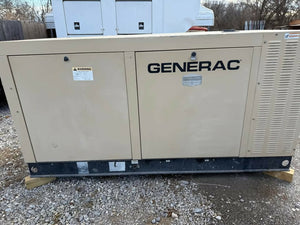
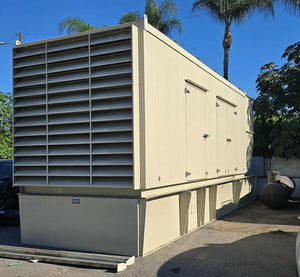
Remote monitoring systems for generators ensure reliability, prevent failures, and reduce costs. They track parameters like fuel levels, temperature, and battery voltage in real time, sending alerts for issues before they escalate. These tools are critical for industries like healthcare, data centers, and telecommunications, where even brief power outages can be costly or life-threatening.
Key benefits include:
- Failure Reduction: Remote monitoring reduces generator failures by up to 95%.
- Cost Savings: Over five years, organizations can cut maintenance and downtime costs by up to 70%.
- Remote Control: Operators can start, stop, or test generators without on-site visits.
- Scalability: Systems support managing multiple generators across locations.
Popular solutions include:
- Cummins PowerCommand 500/550: Ideal for small to large setups, offering real-time alerts and diagnostics.
- Gen-Tracker: Compatible with any generator brand, providing deep diagnostics and compliance reporting.
- PLC Group RMC: AI-powered system for predictive maintenance and cost reduction.
- Above-Net: IoT-based monitoring with predictive failure detection.
Each system offers unique features like compatibility, AI-driven insights, or advanced connectivity. Choosing the right tool depends on your operational needs, budget, and generator setup.
Denyo Smart Remote Monitoring System – Connect, Track & Monitor Your Generators
sbb-itb-501186b
1. Cummins Remote Monitoring Solutions
Cummins offers two remote monitoring systems tailored to different setups: the PowerCommand 500 and the PowerCommand 550. The PowerCommand 500 is designed for smaller setups, managing up to two devices - commonly a generator and an automatic transfer switch. Meanwhile, the PowerCommand 550 is built for larger, more complex environments, supporting up to 12 on-site devices. This makes it ideal for demanding locations such as data centers, healthcare facilities, and manufacturing plants.
Real-Time Alerts
Both systems provide instant email and text notifications for shutdowns, performance updates, and power status changes. They also allow users to remotely control generators and schedule automated exercise cycles. Additionally, real-time data is shared with authorized Cummins dealers, enabling proactive maintenance and quicker technician response times.
Diagnostics Capabilities
These systems monitor critical parameters like fluid levels, temperatures, battery voltage, and run hours to help predict potential issues. They also support extended data logging through USB or SD cards for long-term analysis. Using a web-based interface, users can view graphs that track these parameters over pre-set timeframes, making it easier to identify patterns or recurring problems. Jason Stanford, Engineering Manager at Cummins Power Generation, highlights the system's capabilities:
"The PowerCommand 500/550 provides much more than just remote monitoring... This Cummins-designed system provides users with not only remote access to information but also remote control of their on-site power system".
In addition to real-time monitoring, the systems store data in detailed logs for post-event analysis. These diagnostic features are seamlessly integrated into a user-friendly graphical interface, simplifying management tasks.
User Interface
The web-based interface is designed for ease of use, featuring point-and-click navigation, status icons to indicate faults and operations, and customizable dashboards that support multiple languages.
Industrial Suitability
Both systems meet UL, CE, and CSA standards and are compatible with Cummins and third-party equipment via Modbus RTU or LonWorks protocols. With a global distributor network spanning more than 190 countries, Cummins ensures broad support for its solutions. For facilities with intricate power requirements, the PowerCommand 550 is the preferred choice due to its capacity to handle more devices.
2. Gen-Tracker Generator Monitoring System
Gen-Tracker is a flexible generator monitoring solution that works with virtually any generator, from smaller 8 kW residential units to massive 2 MW industrial systems. Unlike Cummins' proprietary systems, Gen-Tracker offers two hardware options for seamless connectivity: the GTU Series, which monitors via the Automatic Transfer Switch (ATS) for broad compatibility, and the MBX Series, which connects directly to the generator controller using Modbus for more detailed fault data.
Real-Time Alerts
This system operates around the clock, sending instant notifications to both generator owners and their service providers at the same time. These alerts help service teams address critical repairs quickly, preventing minor issues from turning into major problems.
Diagnostic Features
Gen-Tracker goes beyond just alerts - it delivers in-depth diagnostics that make remote troubleshooting much easier. Depending on the setup, it can monitor anywhere from 10 to 1,000 different data points and potential failure modes, offering a clear picture of the generator's condition. The MBX Series gathers detailed fault and alarm data directly from the generator controller, while the GTU Series provides performance-based readings through the ATS. This wealth of information allows technicians to diagnose issues remotely, increasing the chances of fixing problems on the first visit and cutting down on unnecessary site trips. The system also supports two-way communication, enabling remote control of the generator for tasks like routine testing.
User Interface
The cloud-based platform is accessible on smartphones, tablets, and computers, making it easy to monitor and troubleshoot generators from virtually anywhere. Because it works with any generator brand, it simplifies fleet management for operators handling a mix of equipment. The interface also includes built-in tools for automated compliance reporting, meeting requirements for NFPA 110, RICE NESHAP, and the Joint Commission. Gen-Tracker offers four service tiers, which cover features like status updates, automated reporting, monthly diagnostics, and automatic fault responses.
Built for Critical Industries
Gen-Tracker is designed to meet the needs of essential U.S. facilities like hospitals and transportation hubs, where downtime can have serious consequences. Its universal compatibility eliminates the hassle of juggling multiple monitoring systems for mixed-brand generator fleets, ensuring reliable and cost-effective operation.
3. PLC Group Generator Remote Monitoring (RMC)
PLC Group’s Remote Monitoring and Control (RMC) system is built for high-stakes operations across industries like telecommunications, data centers, utilities, and public safety networks. Unlike consumer-grade options, this platform integrates the Actionable Intelligence Platform (AxIn), leveraging Artificial Intelligence and Machine Learning to move from reactive fixes to predictive maintenance. With forecasting accuracy reaching up to 90%, it also cuts ownership costs by 10–15%. In telecom applications, the system provides a return on investment in under 18 months. Below, we’ll dive into its standout features, including real-time alerts, diagnostic tools, user interface, and industrial adaptability.
Real-Time Alerts
The RMC system keeps a close watch on critical failure points like fuel levels, fuel leaks, battery issues, and block heater malfunctions. Its remote testing functionality ensures generator readiness, addressing potential block heater failures before they happen. The system even incorporates weather-based automated alerts, triggering pre-emptive testing to maintain uninterrupted operations. After issuing alerts, its diagnostic tools take over to thoroughly evaluate faults.
Diagnostic Capabilities
With AI-powered analytics, the system identifies issues before they lead to downtime. It supports a wide range of industrial protocols - SNMP, Modbus, BACnet, MQTT, and OPC UA - allowing it to gather diagnostic data from third-party equipment and PLCs. Technicians can conduct full functionality tests remotely via an intuitive browser-based interface, significantly minimizing the need for on-site visits during routine checks. Additionally, it generates PDF maintenance reports that can be shared with stakeholders, enabling quick and informed decision-making.
User Interface
The RMC system includes a cutting-edge graphical interface that works seamlessly with any web browser. Its adaptive dashboards display both historical and real-time data for easy analysis. For on-site tasks, the TCU-800 device comes equipped with a 7-inch local display, giving technicians immediate manual access for testing. The system also features dual-path connectivity and local data buffering to ensure no data is lost during network outages.
Industrial Suitability
Built to withstand tough conditions, the system’s rugged hardware and modular design make it a fit for demanding environments and scalable facilities. It accommodates custom sensors and tailored control logic, providing flexibility for various operational needs. PLC Group also offers "As-a-Service" models, eliminating upfront capital costs. These plans include fixed subscription fees that cover hardware, software, and maintenance, along with performance-based pricing tied to actual operational savings.
4. Above-Net Intelligent Predictive Monitoring
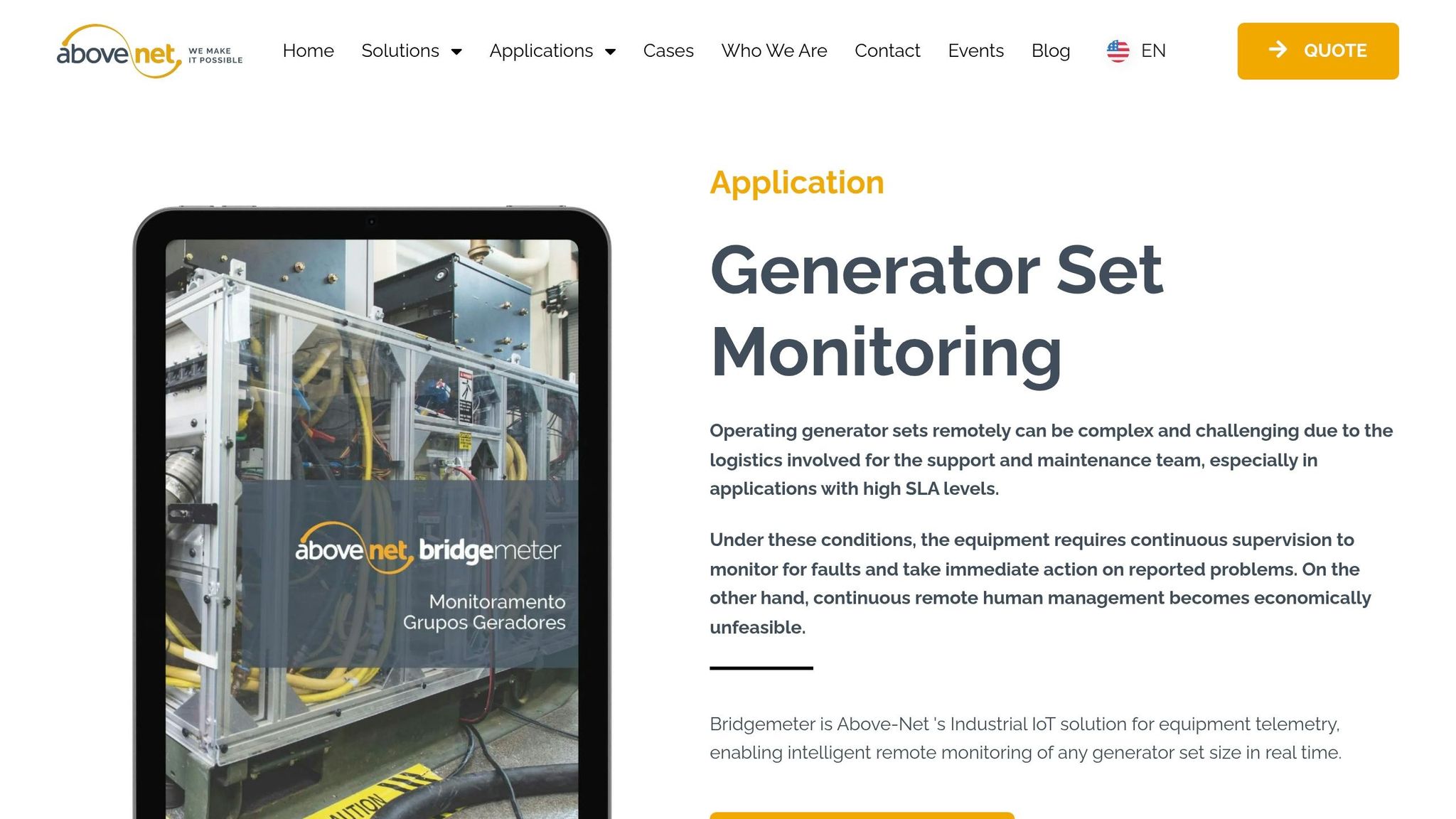
Above-Net's Intelligent Predictive Monitoring system uses sensors to gather continuous data from generators. These sensors send operational information through a gateway to an IoT platform. This approach enables the system to monitor critical engine parameters and detect operational issues as they happen, paving the way for real-time alerts, in-depth diagnostics, and a user-friendly interface.
Real-Time Alerts
When machine learning algorithms identify unusual activity, the system instantly notifies users. Alerts are sent via email, text messages, and on-site alarms, helping to address problems like fuel leaks or irregular engine performance before they worsen.
Diagnostic Capabilities
Above-Net goes beyond traditional monitoring by utilizing AI to predict potential failures. The platform conducts automated root cause analysis by examining sensor data to pinpoint mechanical issues early. This allows maintenance teams to plan repairs during scheduled downtime, avoiding unexpected breakdowns.
User Interface
The platform features real-time dashboards that provide a clear view of generator performance and health. Its mobile-friendly design ensures users receive updates and alerts directly on their smartphones or tablets. Additionally, remote management options let users control generators - turning them on or off and scheduling operating times - from anywhere with an internet connection.
Strengths and Weaknesses
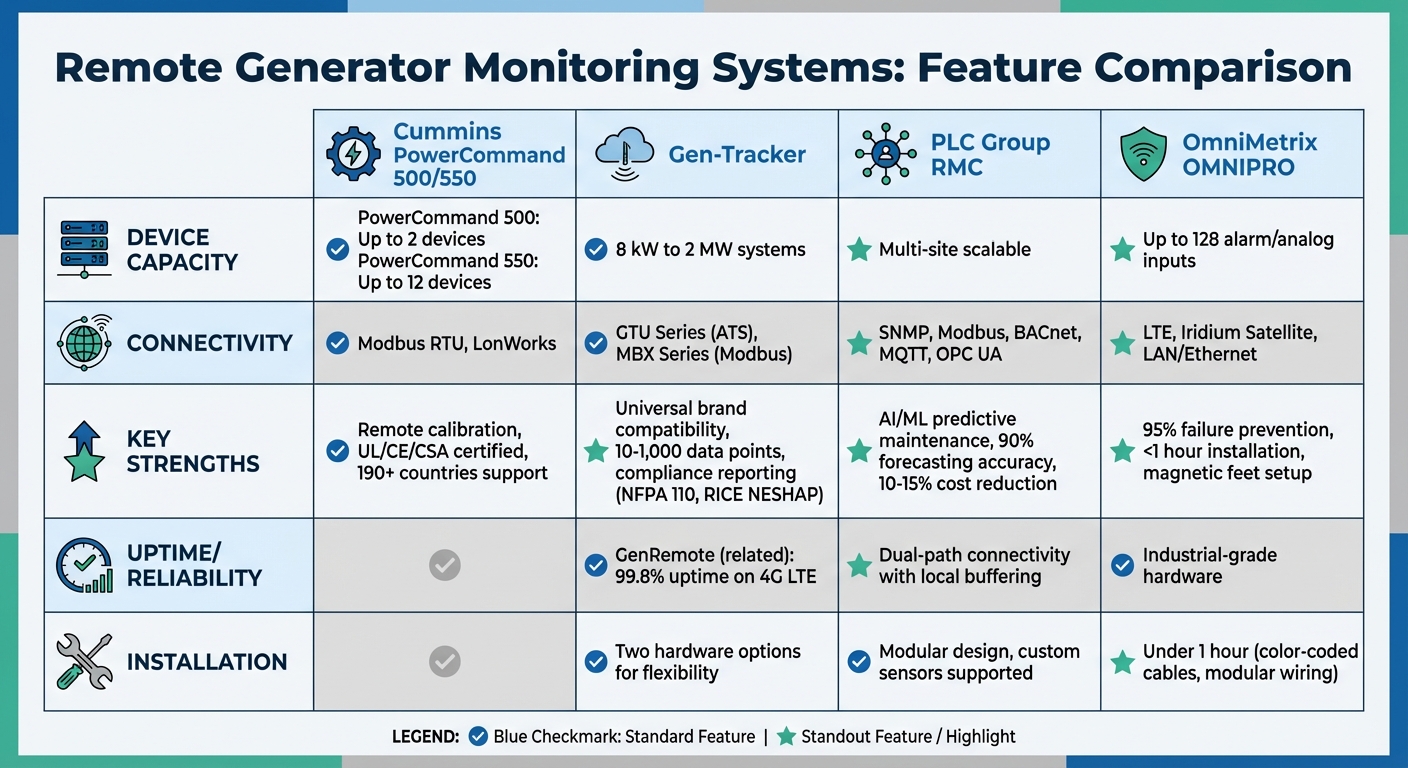
Remote Generator Monitoring Systems Comparison: Features and Capabilities
Looking at the overall performance of remote monitoring tools, each system brings its own set of advantages and trade-offs. Here's a closer look at some key areas where these tools excel and where they differ.
Connectivity and Reliability
GenRemote leverages a dedicated 4G LTE network, ensuring an impressive 99.8% uptime even during outages. On the other hand, OmniMetrix OMNIPRO provides versatile connectivity options, including LTE, Iridium Satellite, and LAN/Ethernet, making it a strong choice for remote or hard-to-reach locations.
Diagnostic Depth
OmniMetrix OMNIPRO stands out for its comprehensive monitoring of alarms and parameters, which bolsters fault prevention. Cummins PowerCommand Cloud, meanwhile, offers a standout feature: remote calibration. This allows local distributors to fix routine issues without needing to visit the site physically. Gen-Tracker, in contrast, emphasizes compatibility with Automatic Transfer Switches (ATS), supporting generators of any make, model, or age - ranging from 8 kW to 2 MW. These features highlight the diverse approaches to diagnostics across different tools.
Installation and Integration Ease
OmniMetrix OMNIPRO is built for quick setup, with magnetic feet, color-coded cables, and modular wiring enabling installations in under an hour. For those managing mixed-brand generator fleets - like Cummins, Kohler, and CAT - both OmniMetrix and Gen-Tracker offer universal compatibility, preventing users from being locked into a single vendor’s ecosystem. Curtis Power Connect, meanwhile, provides additional benefits for large-scale operations by automating Demand Response strategies across multiple sites.
Alert Systems and User Interfaces
GenRemote shines with its 12+ custom alerts, covering everything from "Heartbeat" checks to fuel solenoid status. It also allows users to personalize dashboards by adjusting layouts, icons, and colors. Westell Technologies, designed with industrial-grade hardware for outdoor use, caters specifically to remote sites and tower operators. Its alert system includes features like fuel theft notifications, mechanical issue warnings, and run-time calculations. These tools demonstrate the balance between technical sophistication and practical usability, helping operators choose solutions tailored to their specific needs.
Conclusion
When comparing remote monitoring systems, each tool brings its own strengths, whether in diagnostics, connectivity, or user-friendliness. The key is to select a solution that aligns with your specific operational needs. For managing mixed fleets of generators from brands like Generac, Kohler, Cummins, or CAT, OmniMetrix TrueGuard-PRO and Gen-Tracker stand out with their universal compatibility and brand-neutral approach.
OmniMetrix is particularly suited for industrial applications requiring advanced diagnostics. Its Modbus configuration supports up to 128 alarm and analog inputs, enabling a remarkable 95% failure prevention rate.
For operations with tighter budgets, remote monitoring offers substantial long-term savings by cutting installation and maintenance costs. These financial advantages are complemented by robust connectivity options, which are especially critical for remote installations.
If your generators are located in off-grid or hard-to-reach areas, connectivity becomes a decisive factor. OmniMetrix offers LTE, Iridium satellite, and LAN/Ethernet options for reliable performance in isolated locations. On the other hand, GenRemote leverages a dedicated 4G LTE network with 99.8% uptime, ensuring continuous alerts even during complete utility outages.
Scalability and connectivity are equally important for larger, multi-site operations. For example, Curtis Power Solutions' Power Connect supports automated demand response strategies like peak shaving and curtailment. Meanwhile, Gen-Tracker focuses on monitoring automatic transfer switches (ATS) and provides detailed "Results Readings" for systems ranging from 8 kW to 2 MW.
Ultimately, the right tool will offer a balance of diagnostic power, dependable connectivity, and straightforward installation. Whether your priority is fuel management, theft prevention, or compliance automation, the right system can deliver tangible benefits like reduced downtime and lower maintenance expenses.
FAQs
What data points should I monitor on my generator first?
To keep your generator running smoothly and minimize the risk of downtime, it's important to keep an eye on several key metrics:
- Operational status: Ensure the generator is functioning as expected without interruptions.
- Fuel levels: Regularly check fuel to prevent unexpected shutdowns.
- Temperature: Monitor for any unusual spikes that could indicate overheating or other issues.
- Diagnostic alerts: Pay attention to system alerts for early warnings about potential problems.
Tracking these data points helps you stay ahead of issues, ensuring consistent performance and reliability.
Do these systems work with mixed-brand generator fleets?
Yes, most remote monitoring systems are built to handle mixed-brand generator fleets. They’re usually compatible with a range of generator brands and use industry-standard protocols like Modbus to ensure smooth integration, even across different models.
What is the best connectivity option for remote or off-grid sites?
For remote or off-grid locations, cellular or satellite communication is often the go-to solution. These technologies provide dependable remote access in areas where standard internet services simply don't exist. They're particularly effective for ensuring connectivity and monitoring automated generators in hard-to-reach places.