Hydrogen Storage Systems for Grid Resilience
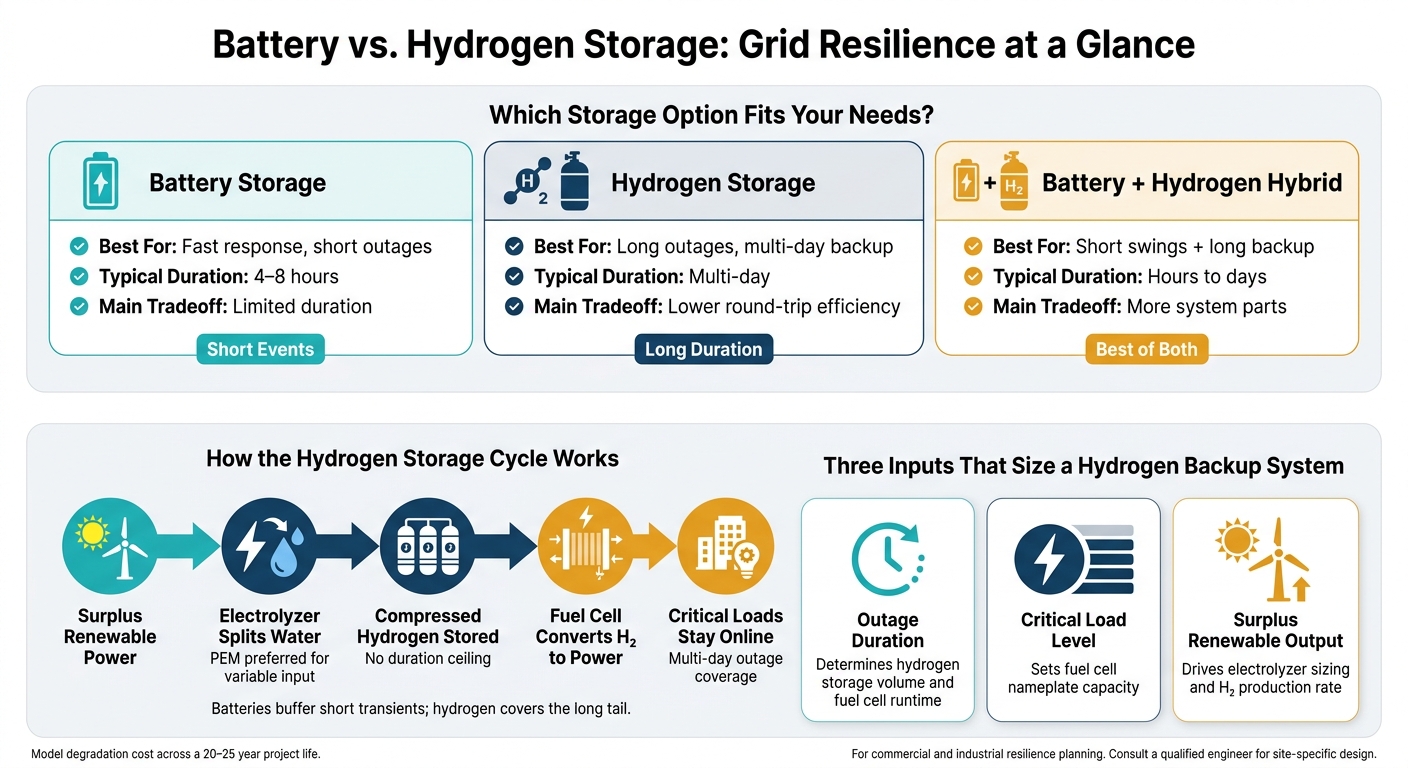
If you need backup power for days, not just hours, hydrogen can fill the gap that batteries often can’t. I’d sum it up this way: batteries are usually best for short events, while hydrogen is better suited to long outage windows, seasonal renewable dips, and critical loads that can’t go down.
Here’s the article in plain English:
- Solar and wind don’t always match demand. Output changes by hour, weather, and season.
- Batteries usually cover about 4 to 8 hours. That works for short interruptions, but not always for a multi-day outage.
- Hydrogen stores extra renewable power for later use. Power runs an electrolyzer, hydrogen gets stored, then a fuel cell or turbine turns it back into electricity when needed.
- The tradeoff is efficiency. Hydrogen loses more energy in the full cycle than batteries do, but it can store much more energy for longer periods.
- Hybrid systems often make more sense. Batteries handle short swings; hydrogen covers the long tail.
- System size depends on three main inputs: critical load, outage length, and surplus renewable energy.
- Equipment life matters. PEM electrolyzers can ramp well with variable solar and wind, but frequent cycling can shorten stack life over a 20- to 25-year project period.
- Good use cases include U.S. commercial and industrial sites that need backup power, peak demand support, or both.
Quick comparison:
| Option | Best for | Common duration | Main tradeoff |
|---|---|---|---|
| Battery storage | Fast response, short outages | 4–8 hours | Limited duration |
| Hydrogen storage | Long outages, multi-day backup | Multi-day | Lower round-trip efficiency |
| Battery + hydrogen | Short swings + long backup | Hours to days | More system parts |
If I were reading this to make a design decision, my takeaway would be simple: use batteries for speed, use hydrogen for duration, and combine both when the site needs each. The rest of the article explains how that works in layout, sizing, backup planning, and equipment selection.
Battery vs. Hydrogen Storage: Grid Resilience at a Glance
Why the Energy Transition Needs Two Storage Layers?
sbb-itb-501186b
2. How Hydrogen Storage Addresses Long-Duration Resilience Needs
Hydrogen storage is built for long-duration energy shifting. Batteries usually handle about 4 to 8 hours. Hydrogen can keep critical loads running through multi-day outages and long renewable shortfalls.
That difference matters. It shapes whether a renewable project can carry critical loads when the grid is down for far longer than a typical battery window.
2.1 The Power-to-Hydrogen-to-Power Cycle Explained
The cycle is pretty simple.
When renewable generation is higher than demand, that extra power goes to an electrolyzer. The electrolyzer splits water into hydrogen and oxygen. The hydrogen is then compressed and stored in tanks or pipelines.
That means excess renewable power doesn't go to waste. It becomes backup energy that can be held for later use during an outage. When renewable output drops, the stored hydrogen feeds a fuel cell or turbine, which turns it back into electricity.
For long-duration events, reliability comes down to two things: electrolyzer stack life and storage capacity. PEM (Proton Exchange Membrane) electrolyzers are often used in renewable-linked systems because they ramp fast and can run across a broad load range. But there’s a tradeoff. Frequent cycling wears the stack faster, so that has to be part of long-term planning.
That storage route is what makes multi-day resilience possible.
2.2 Why Hydrogen Performs Better in Multi-Day Outage Events
Batteries work well for short disruptions. They’re usually not the right fit for a multi-day storm or a long drop in renewable generation.
Hydrogen works differently. Once storage is in place, there isn’t the same kind of duration ceiling. Extra renewable power can be turned into hydrogen over time, then used slowly during a long outage or supply gap.
The downside is lower round-trip efficiency. Some energy is lost during electrolysis, and more is lost when hydrogen is turned back into electricity. But in long-duration events, bulk storage matters more than efficiency alone. For grid resilience, duration often matters more than speed. In plain terms, having enough stored energy for several days can matter more than getting every possible kilowatt-hour back.
The next issue is how to package that capability with solar, wind, and fuel cell equipment.
3. Common System Layouts for Solar, Wind, and Fuel Cell Integration
3.1 Solar-Plus-Hydrogen and Wind-Plus-Hydrogen Configurations
These setups take extra solar or wind generation and turn it into stored hydrogen that can be used later. Power from solar PV or wind moves through inverters and step-up transformers, then splits between the facility load and the electrolyzer when generation is higher than demand. The layout also decides how critical loads are separated and brought back online during an outage.
The electrolyzer usually connects through dedicated switchgear and protection devices. From there, compressed hydrogen moves into storage tanks. When it's time to discharge, the fuel cell sends electricity back through its own transformer and switchgear into the main distribution bus.
Protection gear matters at every transfer point. If a project needs to island during an outage, transfer equipment marks the line between grid-connected operation and islanded operation.
In projects with changing output, PEM electrolyzers are often chosen because they handle frequent load changes well.
3.2 Battery and Hydrogen Hybrid System Architecture
In hybrid systems, batteries handle fast swings, while hydrogen provides reserve energy. That split helps the system react to short transients without giving up the long-duration storage needed for long outages.
Frequent cycling shortens PEM stack life. Cheap power doesn't automatically mean cheap hydrogen if it wears down the stack faster. Batteries help by acting as a buffer, so the electrolyzer can stay at a steady partial load instead of chasing every bump in renewable output.
The controls do the heavy lifting here:
- The battery absorbs short-term transients
- The electrolyzer holds a steady minimum load
- The fuel cell dispatches power from stored hydrogen during an extended outage
That sequence cuts stack stress and keeps the system ready for backup power and peak shaving.
4. Hydrogen for Backup Power, Peak Demand, and Outage Planning
Once the system layout is set, hydrogen can do three practical jobs: backup power, peak demand support, and outage planning.
4.1 Backup Power for Critical Loads During Planned and Unplanned Outages
Hydrogen-backed fuel cells can keep critical loads online during both planned maintenance and unplanned outages. If the fuel cell draws from stored hydrogen, it can keep those loads running longer than the backup window batteries are often built to handle.
This setup makes the most sense for facilities that need steady power or run processes that are hard to stop and restart. That includes refineries, chemical plants, and chlor-alkali sites. In places like these, hydrogen backup can support key loads without forcing a full shutdown.
Once you define the critical load profile, the required backup duration becomes the main input for sizing. It determines both the hydrogen storage volume and the fuel cell capacity.
4.2 Peak Demand Support and Energy Shifting
In the U.S., many commercial and industrial power bills include demand charges tied to monthly peak kW.
Hydrogen storage can help cut that cost. When renewable generation is higher than site demand, the electrolyzer turns surplus power into hydrogen. Then, when demand climbs, the fuel cell can send that stored energy back to the load and lower the peak the utility sees.
There’s a catch, though. Cheap power doesn’t always lead to cheap hydrogen. If the electrolyzer cycles too hard to chase every low-cost window, degradation can climb and eat into some of the savings.
4.3 Outage Planning Factors That Affect System Size
A few inputs work together when sizing a hydrogen backup system for a U.S. commercial or industrial site.
| Sizing Factor | Primary Sizing Impact |
|---|---|
| Outage duration | Hydrogen storage volume and fuel cell runtime |
| Critical load level | Fuel cell nameplate capacity |
| Surplus renewable output | Electrolyzer sizing and hydrogen production rate |
One factor often gets less attention than it should: degradation cost. It helps to model cycling, replacement, and maintenance cost across a 20- to 25-year project life.
These sizing inputs shape the main tradeoffs between hydrogen and batteries.
5. Design Tradeoffs, Equipment Planning, and Key Takeaways
5.1 Hydrogen Storage vs. Batteries for Resilience Roles
Once you know the outage length and the critical load, the next step is pretty simple: can batteries cover it on their own, or do you need something built for a longer stretch?
Batteries are good at fast response and short-duration backup. Hydrogen fills the long-duration gap that batteries often can't cover. If the main goal is getting through multi-day outages and long periods of weak renewable output on grids with intermittent wind and solar, hydrogen is usually the better fit.
In that kind of setup, degradation matters a lot. It sits right alongside electricity price, efficiency, and utilization rate as a core design factor.
5.2 What to Evaluate Before Specifying Equipment
Once hydrogen's job in the system is clear, equipment choices decide whether the site can run safely during islanded operation.
Before locking in equipment, project teams should look closely at interconnection needs, ventilation, and safety, especially because these systems may face rapid load swings and thermal cycling.
Electrolyzer choice also has a big effect on system behavior. PEM works well when renewable input changes often and the system needs fast response. Alkaline systems fit better where operation is steadier. It also helps to plan maintenance around the manufacturer's stack-life and replacement intervals, so service timing is part of the design from day one.
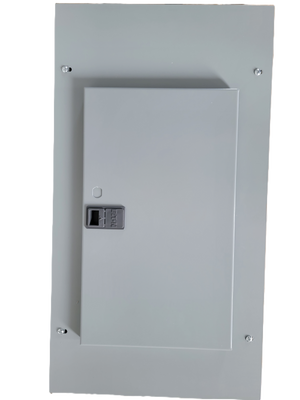
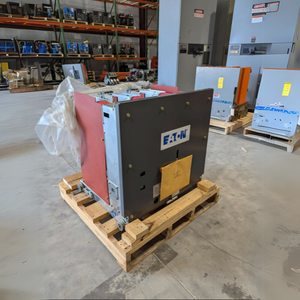
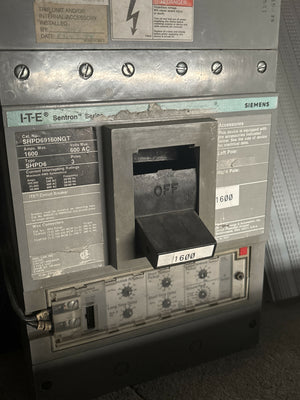
On the electrical side, transformers, breakers, switchgear, and protection devices need to match both islanded and grid-tied operation. Maintenance planning is also moving toward predictive methods that use real-time performance data, digital twins, and sensor networks to track degradation and time service work more effectively.
5.3 Where Hydrogen Storage Makes the Most Sense
At that point, the clearest use case comes into focus: save hydrogen for situations where long-duration backup is the thing that matters most.
Hydrogen storage fits best in large-scale projects that need the flexibility to absorb surplus renewable generation and deliver long-duration backup.
The strongest candidates are projects where long-duration storage and predictable asset life matter more than short-cycle efficiency. In those cases, hydrogen stops looking like a niche option and starts to make sense as part of the resilience plan.
FAQs
How much hydrogen storage would my site need?
Start by mapping your site’s load profile. List each electrical load, note how long it runs, and add up total energy demand. Then account for system losses by applying an efficiency factor of 0.85 to 0.90 for the inverter and the rest of the system.
For backup planning, most microgrids aim for 24 to 72 hours of islanded operation. That gives you a practical target when the grid goes down and the site has to run on its own. As a reference point, a 30 kW fuel cell system needs 500 kg of hydrogen to run for about 72 hours at rated load.
If you want help dialing in the numbers, NREL’s REopt can help with system sizing.
When should I use hydrogen instead of batteries?
Use hydrogen when you need long-duration storage - usually when power has to last for days, weeks, or even across seasons. For shorter storage windows, batteries tend to be the better fit on both cost and efficiency, most often for needs under 2 to 5.5 hours.
Hydrogen also works well for large-scale seasonal balancing and critical backup power. Why? It can be stored indefinitely without degrading, and it can keep systems running longer during extended outages.
What safety systems does a hydrogen setup need?
A hydrogen storage setup needs layers of safety controls, not just one line of defense. If one part fails, another should still help reduce risk.
That usually includes:
- Fixed hydrogen leak detection tied to emergency shutdown systems and isolation valves
- Ventilation that moves hydrogen upward and away from ignition sources
- Code-compliant electrical equipment, along with bonding, grounding, and hazardous-area classification
- Outdoor pressure relief venting
- Fire detection and suppression designed for hydrogen service
- Routine testing, maintenance, and emergency training
Hydrogen can build up fast and behave in ways that call for extra care, so each of these controls plays a clear role in keeping the setup safer during normal use and in an emergency.