

Hydrogen Fuel Cells: Benefits vs. Challenges
Hydrogen fuel cells generate electricity through a chemical reaction between hydrogen and oxygen, producing only water and heat as byproducts. They are already used in vehicles, power plants, and backup systems due to their efficiency and fast refueling times. However, high costs, limited refueling infrastructure, and reliance on fossil fuels for hydrogen production are major obstacles.
Key Benefits:
- Efficiency: Up to 65% energy conversion, with combined systems reaching 85%.
- Zero Emissions: Produces only water and heat during operation.
- Versatility: Scalable for various applications, from small devices to industrial power.
Main Challenges:
- High Costs: Hydrogen production and fuel cell systems remain expensive.
- Infrastructure: Limited refueling stations and storage solutions.
- Environmental Concerns: Most hydrogen is derived from fossil fuels, releasing significant CO₂.
Hydrogen fuel cells hold promise for clean energy but face hurdles in cost, production methods, and infrastructure. Their future depends on reducing production costs, increasing green hydrogen use, and expanding refueling networks.
Benefits of Hydrogen Fuel Cells
High Energy Efficiency
Hydrogen fuel cells are known for their impressive energy efficiency. By converting chemical energy directly into electricity, they avoid the energy losses typical of intermediate processes. This results in efficiency levels between 40% and 60%, with combined heat and power (CHP) systems reaching an impressive 80%–85% efficiency range. The U.S. Department of Energy emphasizes this point:
Fuel cells are the most energy efficient devices for extracting power from fuels.
Additionally, high-temperature fuel cells offer the benefit of capturing waste heat, which can be repurposed for steam production or heating buildings. Tony Leo, former CTO of FuelCell Energy, highlights this key feature:
A fuel cell (or any electrochemical system) directly converts the chemical energy stored in fuels to electricity, skipping the intermediate steps that result in energy losses.
A practical example of this efficiency comes from FreezPak, a logistics company specializing in frozen foods. Since partnering with Plug Power in 2014, the company has replaced its battery-swapping system with 400 PEM fuel cells for its forklift fleet. This shift led to a 31.5% reduction in electricity costs and doubled productivity, as reported in October 2022.
These efficiency gains make hydrogen fuel cells a compelling option for advancing clean energy solutions.
Zero-Emissions Operation
Hydrogen fuel cells stand out for their clean operation. At the point of use, they emit only water vapor and heat, producing no carbon dioxide, nitrogen oxides, or harmful particulates. The U.S. Department of Energy confirms this:
If hydrogen is the fuel, the only products are electricity, water, and heat.
This emission-free process eliminates the need for managing hazardous substances, making fuel cells safer and more environmentally friendly. Furthermore, with minimal moving parts, they operate quietly, reducing noise pollution compared to traditional combustion-based systems. When paired with "green hydrogen" - produced through electrolysis powered by renewable sources like wind or solar - the entire energy cycle becomes carbon-free.
Multiple Applications and Scalability
Hydrogen fuel cells are incredibly versatile and scalable, meeting a wide range of energy demands. Their modular design allows them to power devices ranging from small milliwatt-level gadgets to massive megawatt-scale utility systems. Unlike batteries, where energy storage and power capacity are tied together, fuel cells enable independent scaling of power output and runtime.
Their adaptability has been proven in real-world scenarios. For instance, a 200 kW fuel cell system provided reliable power during the 2003 Northeast blackout, and similar systems maintained operations during Hurricane Sandy.
In 2009, the U.S. Department of Energy allocated $123.5 million in Recovery Act funding to deploy PEM fuel cells (ranging from 1 kW to 10 kW) at cell phone towers. These systems demonstrated 99.5% reliability, underscoring their dependability. Today, fuel cells are widely used in industries like telecommunications, healthcare, data centers, material handling, and in remote areas where grid access is unreliable.
Hydrogen fuel cells offer a practical, efficient, and clean energy solution, with the flexibility to meet a variety of modern energy demands.
sbb-itb-501186b
How Hydrogen Fuel Cells Really Work
Challenges of Hydrogen Fuel Cells
Hydrogen fuel cells come with a range of economic, environmental, and operational challenges that complicate their adoption and scalability.
High Production and Infrastructure Costs
One of the biggest hurdles is the cost. Producing hydrogen, especially green hydrogen, is expensive. Gray hydrogen (made from natural gas) costs between $0.67 and $2.50 per kilogram, while green hydrogen - produced using renewable energy - ranges from $3.50 to $6.00 per kilogram. A significant portion of green hydrogen's cost - more than 64% - comes from the renewable electricity used in its production.
Another cost factor lies in electrolyzer systems, which are essential for splitting water into hydrogen and oxygen. The core component, known as the stack, accounts for only 35% to 45% of the total system cost. The rest comes from auxiliary components like pumps and compressors. Currently, these systems cost between $1,000 and $2,250 per kilowatt. To address this, companies like Electric Hydrogen are working on modular designs and advanced manufacturing techniques to cut costs by 30%, with plans for large-scale deployment by 2026.
Infrastructure is another area where costs pile up. Hydrogen, with its low volumetric density, requires expensive storage solutions, such as high-pressure tanks or cryogenic systems. Transporting hydrogen as a liquid also leads to significant energy losses. Retrofitting existing pipelines for hydrogen can help reduce transportation costs by 50% to 70% compared to building new infrastructure. Efforts like the U.S. Department of Energy's "Hydrogen Shot" initiative aim to lower clean hydrogen costs to $1.00 per kilogram by 2031, supported by tax credits of up to $3.00 per kilogram under the Inflation Reduction Act.
However, cost isn't the only concern - current hydrogen production methods also have a heavy environmental footprint.
Hydrogen Production Emissions
While hydrogen fuel cells produce no emissions at the point of use, the majority of hydrogen today is far from clean. Globally, 96% of hydrogen comes from fossil fuels - 62% from natural gas and 28% from coal. The production of gray hydrogen emits between 8.5 and 12 kilograms of CO₂ per kilogram of hydrogen, while coal-based methods release a staggering 22 to 26 kilograms of CO₂ per kilogram. In 2023 alone, hydrogen production was responsible for 920 million metric tons of CO₂ emissions.
Low-emission hydrogen makes up just 0.7% of global production, with water electrolysis contributing a mere 0.1%. Achieving cleaner hydrogen requires a shift to renewable-powered electrolysis, reducing costs for electrolyzers, and replacing rare catalysts like iridium and platinum with more abundant materials. Technologies like Solid Oxide Electrolysis Cells (SOEC) could boost efficiency by 20% to 30% by using industrial waste heat, though material degradation remains a challenge.
Electricity costs are another bottleneck, making up 47% to 78% of green hydrogen production expenses. For green hydrogen to compete with fossil-based methods, renewable electricity prices need to drop to $20–$30 per megawatt-hour. Regions with abundant solar and wind resources, such as Australia and the Middle East, are emerging as potential leaders in low-cost green hydrogen production.
Even if these challenges are addressed, hydrogen's unique physical properties introduce additional safety and storage concerns.
Safety and Storage Concerns
Hydrogen's physical characteristics pose distinct safety risks. Since it is colorless, odorless, and tasteless, detecting leaks requires specialized sensors. Fires involving hydrogen are particularly tricky, as it burns with a nearly invisible pale blue flame and produces no smoke or ash, making it harder to spot. Additionally, hydrogen has a wide flammability range, igniting in air at concentrations between 4% and 75%.
Storing hydrogen adds more complexity. It must be compressed to pressures of up to 700 bar (around 10,150 psi) or cooled to -423°F (-253°C), both of which demand significant energy and advanced equipment. Maintenance costs for hydrogen storage facilities are also steep. For example, annual operations and maintenance expenses for hydrogen stations are about 30% of the initial capital cost - far higher than the 3% to 4% assumed in theoretical models.
Recent safety incidents highlight the risks. In March 2026, an explosion in Colton, California, resulted in one fatality. Similar incidents in Chungju, South Korea (2024), and Leuna, Germany (2024) caused injuries and disrupted supply chains. These examples underscore the vulnerabilities of centralized hydrogen supply systems, as pointed out by Michael Barnard from CleanTechnica:
Centralized production combined with truck delivery creates fragility when redundancy is limited.
Economic challenges also persist. For instance, the Kittybrewster refueling station in Aberdeen, which supported 25 hydrogen-powered buses, cost about $1.3 million to build. However, its annual operating costs - approximately $422,500 - amounted to 32.5% of the station's capital expenditure. This led to the eventual retirement of the bus fleet due to unsustainable economics.
Benefits vs. Challenges: Direct Comparison
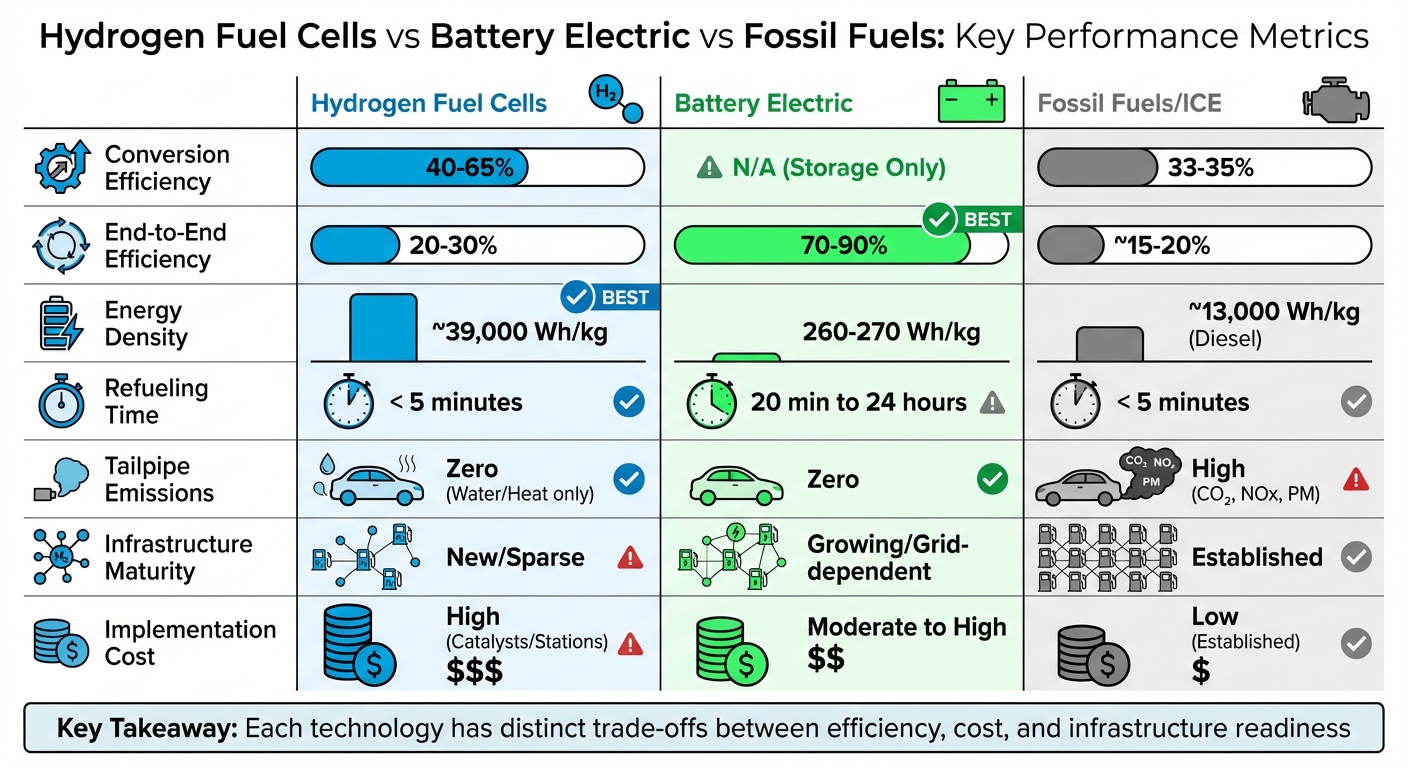
Hydrogen Fuel Cells vs Battery Electric vs Fossil Fuels: Efficiency, Cost & Emissions Comparison
Hydrogen fuel cells are capable of converting up to 65% of fuel energy into electricity, which is nearly double the efficiency of traditional combustion engines, which manage only 33–35%. However, when factoring in the full energy cycle, hydrogen's efficiency drops to 20–30%, whereas battery electric systems achieve a much higher 70–90% efficiency.
Cost is another key consideration. Hydrogen-powered vehicles can refuel in under five minutes, offering convenience, but the high price of catalysts and the need for specialized infrastructure significantly increase overall costs.
From an emissions standpoint, hydrogen fuel cells only produce water and heat during operation. However, the broader environmental impact depends heavily on how the hydrogen is produced. Currently, most hydrogen comes from fossil fuels, which diminishes its potential as a cleaner alternative. Shifting to greener hydrogen production methods is essential to maximize its environmental benefits. In contrast, while battery electric vehicles have zero emissions during use, their production - especially the manufacturing of batteries - can account for up to 74% of total manufacturing emissions, giving hydrogen an edge in this area.
Hydrogen also stands out for its high energy density. At approximately 39,000 Wh/kg, hydrogen far surpasses lithium-ion batteries, which offer just 260–270 Wh/kg. This makes hydrogen a better fit for heavy-duty applications where battery weight becomes a limiting factor. Additionally, hydrogen fuel cells maintain consistent performance in cold weather, unlike batteries, which can suffer significant power losses in low temperatures.
Key Metrics Comparison
| Metric | Hydrogen Fuel Cells | Battery Electric | Fossil Fuels (ICE) |
|---|---|---|---|
| Conversion Efficiency | 40–65% | N/A (Storage Only) | 33–35% |
| End-to-End Efficiency | 20–30% | 70–90% | ~15–20% |
| Energy Density | ~39,000 Wh/kg | 260–270 Wh/kg | ~13,000 Wh/kg (Diesel) |
| Refueling Time | < 5 minutes | 20 min to 24 hours | < 5 minutes |
| Tailpipe Emissions | Zero (Water/Heat) | Zero | High (CO₂, NOx, PM) |
| Infrastructure Maturity | New/Sparse | Growing/Grid-dependent | Established |
| Implementation Cost | High (Catalysts/Stations) | Moderate to High | Low (Established) |
This comparison highlights the trade-offs between hydrogen's technical capabilities and the challenges it faces in terms of cost, infrastructure, and environmental impact. These factors play a critical role in determining how hydrogen fits into the future of power generation and transportation.
Applications in Power Generation Equipment
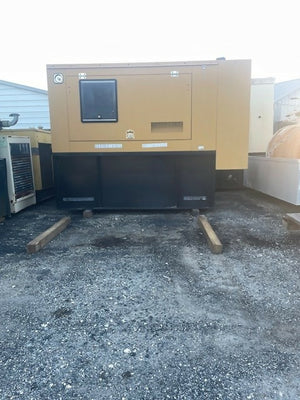
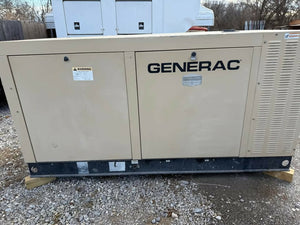
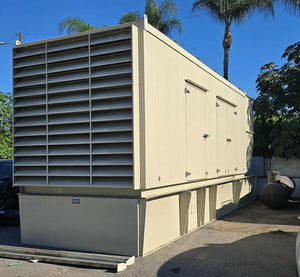
Hydrogen fuel cells, known for their efficiency and clean energy output, are reshaping power generation systems. They're not just replacing traditional diesel generators but are also being integrated into existing electrical infrastructures. These cells produce DC power, which is then converted via inverters and transformers to align with grid or facility needs. This approach has shown particular promise in data centers, where fuel cells are being tested as zero-emission backup power solutions.
Take Microsoft’s experiment in July 2020 as an example. They tested a 250kW PEM fuel cell system that powered 10 data center racks for 48 continuous hours using 600kg of hydrogen. This successful trial has paved the way for exploring larger 3MW systems as replacements for diesel backup generators.
To make this integration possible, advanced electrical components are essential. Modern inverters not only convert DC power but also provide grid services like frequency regulation, voltage support, and reactive power compensation. In industrial settings, fuel cells can also assist with peak shaving in micro-grids, offering additional capacity during high-demand periods.
Cost is a major consideration in these projects, as installation expenses range from $3,000 to $8,000 per kilowatt. Platforms like Electrical Trader help address this by offering refurbished equipment such as transformers, switchgear, and inverters, reducing the overall cost of building hydrogen-based power systems. This makes the transition to fuel cell technology more financially viable.
Hydrogen fuel cells are also finding use in combined heat and power (CHP) systems. Here, waste heat from the electrochemical reaction is captured and used for district heating or additional electricity generation. When configured for CHP, these systems can achieve efficiencies of 80% to 85%, far surpassing the 25% efficiency typical of combustion-based generators.
Conclusion
Hydrogen fuel cells bring both promising benefits and notable hurdles to the clean energy landscape. On the plus side, they offer zero-emission operation, energy efficiency of 50–65% compared to the 33–35% typical of combustion plants, and quick refueling times - under five minutes. With an energy density of around 120 MJ/kg, roughly three times that of diesel, they’re especially well-suited for heavy-duty applications where batteries often fall short.
However, the challenges are hard to ignore. Most hydrogen today is derived from fossil fuels, which undermines its environmental potential. High production costs remain a barrier, and the lack of widespread infrastructure, reliance on expensive catalysts, and stringent safety requirements for storage further complicate adoption.
As Léo Martin from Energy News aptly puts it:
Hydrogen fuel cells represent one piece of the complex puzzle that is our clean energy future - a piece that can work in harmony with other technologies to help us achieve net-zero emissions.
This highlights an important truth: hydrogen fuel cells aren’t a standalone solution. Instead, they fill critical gaps in areas like heavy transport, maritime shipping, aviation, and industrial processes - sectors where batteries and other renewable technologies struggle to perform effectively.
The future of hydrogen fuel cells hinges on scaling up green hydrogen production, primarily through renewable-powered electrolysis, and expanding refueling infrastructure. As Eric Koons from Energy Tracker Asia explains:
The needed growth largely hinges on regulatory changes and subsidies that would make it beneficial to conduct research and risk capital on this relatively underutilized technology.
Without robust government policies and international collaboration, hydrogen’s widespread adoption will remain elusive.
FAQs
When does hydrogen beat batteries?
Hydrogen fuel cells shine when it comes to fast refueling and extended driving ranges, particularly for heavy-duty vehicles like trucks and buses. Their higher energy density compared to lithium-ion batteries allows for longer trips and the ability to carry heavier loads. Plus, refueling hydrogen takes significantly less time than charging a battery, making it a great fit for long-haul transportation. On the other hand, batteries are a more affordable and practical choice for passenger cars and short-distance travel.
Why is green hydrogen so expensive?
Green hydrogen comes with a hefty price tag primarily due to the energy-intensive nature of its production through electrolysis. This process depends on electrolyzer systems, which are not cheap - installation costs alone often surpass $1,000 per kilowatt. On top of that, the substantial energy requirements further inflate the overall expenses, making green hydrogen a costly alternative for now.
How safe is hydrogen storage and fueling?
Hydrogen storage and fueling are considered safe as long as the right technologies and protocols are in place. Common storage methods include high-pressure tanks, cryogenic tanks, and advanced materials designed specifically for hydrogen containment. That said, challenges remain. Hydrogen's low volumetric energy density means it requires either high-pressure systems or low-temperature setups to store it efficiently.