Ultimate Guide to Hybrid Backup Power for Industry
Hybrid backup power systems are transforming how industries maintain energy reliability. These systems combine diesel generators, battery energy storage (BESS), and solar panels to reduce costs, improve efficiency, and ensure uninterrupted operations during outages. Here's what you need to know:
- Why it matters: U.S. businesses lose over $150 billion annually due to power outages. Hybrid systems cut diesel fuel use by 40–80%, lower emissions, and deliver electricity at costs as low as $34.5/MWh.
- Core components: Diesel generators provide reliable backup, BESS ensures quick response and efficiency, and solar panels reduce fuel dependency.
- Configurations: Common setups include Generator + BESS, Generator + Solar PV + BESS, and Multi-Generator + BESS, each tailored to specific industrial needs.
- Maintenance: Regular upkeep of generators, batteries, and solar panels is essential to avoid costly repairs and maintain performance.
- Cost insights: Installed costs range from $1,200–$2,000 per kW of solar and $400–$700 per kWh of battery storage, with payback periods often between 3–6 years.
Hybrid systems not only ensure reliable power but also offer long-term savings and sustainability benefits. Read on for detailed guidance on system design, integration, and operation.
Key Components and Architectures of Hybrid Backup Power Systems
Hybrid Backup Power Configurations: Benefits, Costs & Best Fit
Core Components of Hybrid Backup Systems
Hybrid backup systems for industrial use are built around a few critical technologies, each playing a specific role.
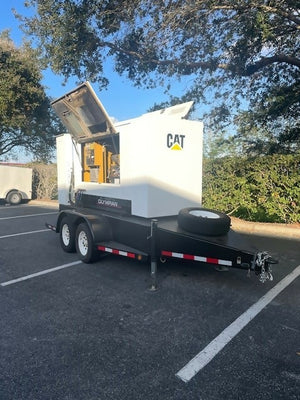
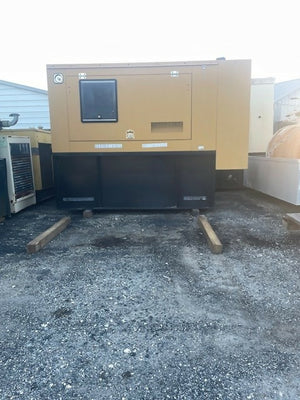
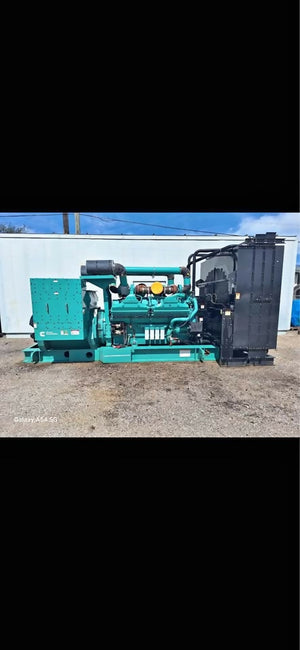
Diesel or natural gas generators are the backbone, providing reliable power during outages. Diesel remains the go-to option for many industrial sites, but natural gas generators are gaining traction in areas with pipeline access and stricter emissions rules. Generators excel at delivering consistent, high-load power over extended periods.
Battery Energy Storage Systems (BESS) bring flexibility and efficiency to the mix. These batteries store excess energy, respond to sudden load changes in milliseconds, and reduce the need for constant generator operation. Lithium Iron Phosphate (LFP) batteries, known for their durability, can last 15–20 years with over 8,000 cycles at 80% depth of discharge. While their upfront cost is higher, the long lifespan makes them a worthwhile investment.
Solar PV panels provide clean, renewable energy during daylight hours. They not only charge the batteries but also cut down on generator fuel usage. Oversizing the solar array is a smart move to ensure sufficient battery charging even on cloudy days.
The Energy Management System (EMS) ties everything together. It monitors the system in real time - tracking load demand, battery charge levels, solar output, and generator status - and decides which power source to use at any given moment. Advanced EMS setups can even predict demand patterns, further reducing generator runtime.
"Hybrid systems represent the pinnacle of modern energy engineering. By combining the clean economics of PV, the intelligent control of systems, and the brute reliability of diesel, businesses are no longer just buying power - they are buying autonomy." - U-SUN Energy Storage Solutions
Common Hybrid Backup Configurations
Using these core components, industrial facilities typically choose from three main hybrid backup setups.
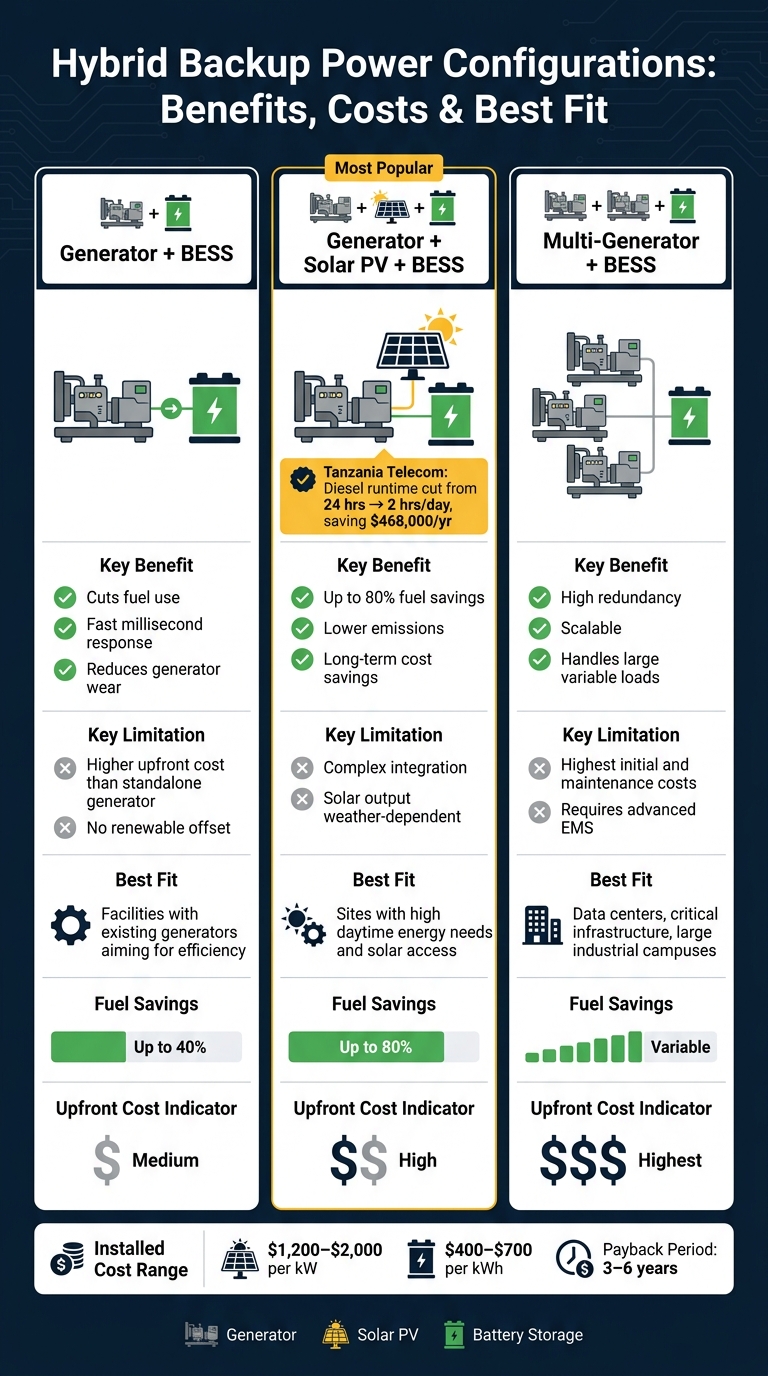
Generator + BESS is the simplest configuration. The battery handles short outages and peak demand, while the generator steps in for longer power needs. This setup is ideal for facilities with existing generators looking to cut fuel costs and reduce wear. For instance, a manufacturing park near Houston installed a 2 MWh LFP battery system alongside its diesel generators, slashing demand charges by over 40% in the first year.
Generator + Solar PV + BESS is a popular choice for reducing reliance on fossil fuels. Solar panels charge the batteries during the day, which then supply power during the evening and night. The generator only runs when both solar and battery sources fall short. In early 2025, a telecom operator in Tanzania upgraded 50 rural towers with 30 kW of solar and an 80 kWh LFP battery system, cutting diesel runtime from 24 hours to just 2 hours daily and saving $468,000 annually.
Multi-Generator + BESS is designed for large-scale operations like data centers or critical infrastructure. Running multiple generators in parallel with a BESS allows for precise load-matching, keeping each generator in its optimal efficiency range while the battery absorbs sudden load spikes.
Comparing Hybrid Architectures: Benefits and Limitations
Each configuration has its own strengths and challenges, depending on the priorities of the facility. Here’s a quick comparison:
| Configuration | Key Benefits | Key Limitations | Best Fit |
|---|---|---|---|
| Generator + BESS | Cuts fuel use; fast response; reduces generator wear | Higher upfront cost than a standalone generator; no renewable energy offset | Facilities with existing generators aiming for efficiency |
| Generator + Solar PV + BESS | Up to 80% fuel savings; lower emissions; long-term cost savings | Complex to integrate; solar output depends on weather | Sites with high daytime energy needs and solar access |
| Multi-Generator + BESS | High redundancy; scalable; handles large, variable loads | Highest initial and maintenance costs; requires advanced EMS | Large industrial campuses, critical infrastructure, or remote sites |
"Hybridizing variable renewables with storage and existing thermal generation is key to decarbonizing industrial power while maintaining reliability." - International Renewable Energy Agency (IRENA)
When choosing a configuration, factors like fuel savings, upfront costs, and operational complexity all come into play.
For reference, the capital cost for a fully installed hybrid system typically ranges from $1,200 to $2,000 per kilowatt of solar capacity, plus $400 to $700 per kilowatt-hour of battery storage. While the generator + solar + BESS setup has the highest initial cost, it offers the best long-term savings, especially for facilities with high fuel expenses or sustainability goals. This understanding of components and configurations lays the groundwork for exploring system design and integration strategies in the next section.
Designing and Integrating Hybrid Backup Power Systems
Assessing Load Profiles and Backup Priorities
Before you start sizing components for a hybrid backup power system, you need to understand your load requirements and prioritize them. A load audit is essential, and it helps classify loads into three tiers:
| Tier | Category | Examples | Backup Priority |
|---|---|---|---|
| Tier 1 | Life Safety / IT | Servers, egress lighting, fire systems | Never shed |
| Tier 2 | Commercial Function | HVAC, general lighting, refrigeration | Shed if battery state of charge (SOC) drops below 30% |
| Tier 3 | Discretionary | EV charging, decorative lighting | Shed immediately when the system islands |
These tiers directly influence how your energy management system (EMS) allocates power during an outage. Using 15-minute interval data rather than monthly averages is crucial to capture actual demand peaks throughout the year. This step isn’t just technical - it's financial. Power outages cost U.S. businesses over $150 billion annually due to lost productivity and downtime. A thorough load assessment ensures the system meets both operational and financial needs.
Sizing Generators, Batteries, and Renewables
Once load priorities are clear, precise sizing becomes the next challenge. For generators, size them to cover 100% of Tier 1 (critical) loads, with an additional 15–25% margin for future growth. In facilities with motor-heavy equipment like compressors, consider kVA instead of kW as the main factor. Motors can draw 5–7 times their rated current during startup, and failing to account for this can cause voltage dips that disrupt sensitive equipment.
For battery energy storage systems (BESS), calculate the energy capacity by multiplying the critical load (in kW) by the desired autonomy hours, then divide by the usable depth of discharge - usually 80–90% for lithium-ion batteries. Adding a 10–20% margin for battery aging ensures longevity. For instance, a 250 kW system might include a 300 kW DC/250 kW AC solar array, paired with a 200 kW/800 kWh battery and a 200 kW diesel generator, providing about 4 hours of autonomy for critical loads.
Solar photovoltaic (PV) arrays should be oversized to about 1.5× the rated storage power to ensure batteries can charge fully, even on cloudy days. Hour-by-hour simulations (8,760-hour models) are more reliable than seasonal averages, as they reveal potential mismatches between solar production and load needs before equipment is ordered.
"Sizing kW to average load instead of worst credible transient + PF stress case is a common design trap." - FFD Power
Keep in mind that industrial generator lead times are currently 12 to 18 months due to manufacturing backlogs. Proper sizing not only ensures reliability but also optimizes fuel efficiency.
Connecting to Existing Power Distribution Systems
After sizing the components, the next step is integrating them into your facility's power distribution system. For most industrial retrofits in the 100–500 kW range, AC-coupled systems are the standard choice. These setups allow solar inverters, batteries, and generators to operate independently, reducing single points of failure and simplifying maintenance. While DC-coupled systems offer a slight efficiency boost (2–4%), they create tighter dependencies between components, making them better suited for new installations.
The connection point is typically at the Main Distribution Board or an Emergency Load Panel. This approach minimizes downtime and enhances energy management. The transfer switch selection is equally critical. Open-transition automatic transfer switches (ATS) are cost-effective and common, while closed-transition ATS eliminates even brief outages by synchronizing with the utility - though it requires formal approval. A 4-pole ATS is necessary for systems with significant harmonics or unbalanced loads, while a 3-pole ATS suffices for standard common-neutral setups.
Your EMS should be configured to run the generator at 70–80% of its rated load. This range is the generator's efficiency sweet spot, allowing it to power loads while charging the battery simultaneously. Running diesel generators at low loads (below 30%) for extended periods can cause wet stacking - unburned fuel buildup in the exhaust system that damages the engine. For islanding protection, combine active frequency-shift detection with a Direct Transfer Trip (DTT) signal to comply with IEEE 1547-2018 standards. DTT hardware costs typically range from $15,000 to $40,000, depending on utility requirements.
"In a legacy backup system, the generator is the master. In a modern hybrid system, the battery is the master." - U-SUN Energy Storage Solutions
Operating and Maintaining Hybrid Backup Systems
Key Operating Modes and Dispatch Strategies
Hybrid systems are designed to enhance both cost efficiency and reliability. In Solar Priority Mode, solar energy powers the load during daylight hours while simultaneously charging the batteries. This approach eliminates the need for diesel generators during this period. As the sun sets, the batteries seamlessly take over the load (with a transfer time of less than 20 milliseconds), ensuring that critical systems remain uninterrupted. When the battery's state of charge (SoC) hits a preset minimum, the generator kicks in under Cycle Charging Mode, operating at 70–80% capacity. This method optimizes fuel use and aligns with earlier system sizing considerations. Compared to traditional load-following operations, this strategy significantly improves fuel efficiency.
For grid-connected systems, Peak Shaving is another powerful tool. During periods of high electricity demand (and higher tariffs), the battery discharges to reduce utility demand charges. Overall, well-optimized hybrid systems can slash diesel fuel consumption by 40%–80% compared to setups relying solely on generators.
While operational strategies ensure efficiency, consistent maintenance is critical for sustaining system performance over time.
Maintenance Requirements by Component
Hybrid systems combine multiple components, each requiring regular upkeep to function optimally. Below is a summary of essential maintenance tasks, their recommended frequency, and the risks associated with neglect:
| Component | Maintenance Task | Frequency | Key Risk if Neglected |
|---|---|---|---|
| Diesel Generator | Load test (30+ min at ≥60% load) | Monthly | Wet stacking, carbon buildup |
| Diesel Generator | Full load bank test | Annual | Cooling system/voltage regulator failure |
| LFP Battery | Capacity testing & cell balancing | Annual | Undetected degradation, thermal issues |
| Solar PV | Panel cleaning and inspection | Every 2–4 weeks | Up to 15–20% output loss from soiling |
| Fuel System | Polishing and ASTM D975 testing | Annual | Microbial growth, injector clogs |
| Inverter/EMS | Firmware updates, fan/filter cleaning | Annual | Dispatch errors, overheating |
Certain maintenance tasks require extra attention. For LFP batteries, keeping cell temperatures between 59°F and 95°F (15°C–35°C) is vital to extend their lifespan. Industrial-grade LFP batteries typically last 8,000–10,000 cycles at 80% depth of discharge.
For diesel generators that operate intermittently, wet stacking - caused by running the engine at low loads - can lead to serious damage. To prevent this, the Energy Management System (EMS) should ensure the generator runs at 60% load or higher for at least 30 minutes per cycle. This burns off unburned fuel and carbon deposits. A case in 2024 at a Vietnamese textile mill highlights this risk: a 500 kVA Perkins generator, regularly tested but run at only 30% load, suffered glazed cylinder liners and stuck piston rings, resulting in $14,000 in repairs. The solution? A quarterly 100% load-bank test was implemented to avoid future issues.
By combining scheduled maintenance with periodic testing, hybrid systems can maintain their reliability and efficiency.
Reliability Testing and Risk Management
Reliability testing ensures the system performs as expected under various conditions. This includes:
- No-load tests, which verify control logic and transfer switch functionality.
- Partial-load tests, such as monthly generator runs.
- Full integrated tests, simulating complete power outages to evaluate system behavior.
Passive monitoring isn’t enough; active measures like frequency-shift detection and Direct Transfer Trip (DTT) signaling are necessary to meet IEEE 1547-2018 standards. These methods ensure detection times stay under 2 seconds. Before reconnecting to the grid after an islanding event, the system must meet specific criteria: voltage differences within 5%, frequency differences within 0.1 Hz, and phase angle differences within 10° to prevent equipment damage.
To further enhance reliability, N+1 redundancy - using multiple smaller generators instead of one large unit - can eliminate single points of failure. For example, the Philippine Phosphate Fertilizer Corp (PhilPhos) installed three 1,000 kW diesel generators in an N+1 configuration. This setup allowed for staged restoration and maintenance without shutting down the entire system.
A common reliability benchmark for industrial microgrids is achieving a Loss of Power Supply Probability (LPSP) of ≤ 0.03, meaning the system should meet at least 97% of annual energy demand. This target must be verified through detailed system modeling before commissioning.
"A good backup generator is not simply a machine that starts. It is a system that restores the right loads, in the right order, with the right level of stability." - Enerzip Power Technology
sbb-itb-501186b
Sourcing Electrical Components for Hybrid Backup Systems
Ensuring Compatibility with Existing Equipment
Making sure all components work seamlessly together is one of the biggest challenges in hybrid system projects. Before buying any parts, you need to confirm four key factors: voltage ratings, short-circuit ratings, communication protocols, and thermal performance.
On the DC side, cable ratings are especially important. For example, a cable rated for 1,000V DC has insulation properties that are not interchangeable with those of a 1,000V AC-rated cable. If you’re working with 48V battery systems, cables must meet at least a 60V DC rating, and the battery fuse (either ANL or Class T) should be installed within 12 inches (300 mm) of the battery's positive terminal. This minimizes the length of unfused cable, reducing potential risks.
Communication protocols are another critical consideration, particularly between the Battery Management System (BMS) and the hybrid inverter. Most systems use either CAN bus or RS485. In industrial settings, CAN bus is often preferred because it offers speeds of up to 1 Mbit/s and strong resistance to noise. To avoid issues like false shutdowns, always use manufacturer-specified BMS communication cables or their exact equivalents to prevent impedance mismatches.
"A hybrid inverter manages all three sources at the same time... That decision happens every few milliseconds. That is what makes it hybrid." - Engr. Ubokobong Ekpenyong, Solar Specialist
Another common issue during commissioning involves the Automatic Transfer Switch (ATS). For proper operation, a 4-pole ATS is necessary - not a 3-pole - so that the neutral is fully isolated. This prevents ground loops and avoids nuisance trips of Residual Current Devices (RCDs). Additionally, a "make-before-break" neutral switching sequence is recommended to ensure a stable neutral reference for sensitive equipment during the transfer process.
Temperature derating is yet another factor to account for in system design. Inverters tend to lose about 1% of their rated output for every degree Celsius above 77°F (25°C). For instance, at 113°F (45°C), a 5 kVA inverter might only deliver 4 kVA, translating to a 20% reduction in output. This needs to be factored into your system sizing.
Once you've verified compatibility, the focus shifts to finding components that meet these technical requirements.
Using Electrical Trader to Source Components
After confirming that your equipment is compatible, the next step is sourcing the necessary parts efficiently. Electrical Trader is an online marketplace that specializes in new, used, and surplus industrial electrical equipment. It’s an excellent resource for procuring components for hybrid systems.
The platform offers a diverse selection of items essential for hybrid backup projects, such as circuit breakers, transformers, switchgear, and power generation equipment from well-known manufacturers like Siemens, ABB, and GE. For example, a Square D PowerPact 200A breaker is listed at $390.00, while reconditioned 2,000 kVA 3-phase substation transformers are available for $75,000.00. These reconditioned options often represent a significant cost savings compared to brand-new equipment.
For projects with tight schedules, the availability of reconditioned and surplus equipment is especially helpful. Ordering large industrial transformers or switchgear brand new can involve lead times of 12 to 18 months. By sourcing a tested, reconditioned unit through Electrical Trader, you can drastically reduce wait times while still meeting the technical standards outlined earlier. The platform’s search filters allow you to narrow options by voltage rating, capacity, and category, helping you quickly find parts that match your project’s needs.
"The trusted marketplace for new, used, and surplus electrical equipment." - Electrical Trader
Conclusion and Key Takeaways
Hybrid backup power systems don’t just ensure energy reliability - they also help cut costs over time. A well-designed system can lower expenses through peak shaving, fuel savings, and reduced maintenance needs. As Rainer Neumann, Content Head at SurgePV, explains:
"The battery system that carries critical loads during outages also shaves peak demand every day of the year, the economics flip. The microgrid becomes a revenue-generating asset with an insurance policy attached."
Take the example of a Texas hybrid wind/solar/BESS setup, which achieved an LCOE of $34.5/MWh, compared to $98.3/MWh for a grid-only configuration. Or consider a 500 kW plastics plant in Thailand that slashed diesel costs by over 75%, achieving a simple payback in just 3.8 years. These numbers highlight the financial and operational advantages of hybrid systems.
Here’s what you need to do to get started:
- Collect 12 months of 15-minute interval load data - this step is essential before sizing system components.
- Review the Sizing Generators, Batteries, and Renewables section for guidance on equipment sizing.
- Submit UL 9540A thermal runaway documentation to your insurer before signing contracts. Insurability will play a key role in validating ROI models by 2026.
- Secure a battery recycling or take-back agreement early to stay ahead of compliance requirements.
Advances in technology are making these systems more affordable and reliable. For example, AC-coupled LFP systems now cost between $250 and $320 per kWh installed, and typical payback periods for industrial setups range from 3 to 6 years, depending on local demand charges and fuel prices. When you consider that generator failures can cost facilities anywhere from $25,000 to $2.3 million per hour in downtime, investing in a robust hybrid system becomes a clear choice.
"Backup power is not a purchase. It is a promise, and promises kept require engineering, not luck." - Shandong Huali Electromechanical Co., Ltd.
FAQs
How do I choose the right hybrid configuration for my site?
To get started, take a close look at your site's peak power demand (kW) and daily energy consumption (kWh). It’s important to also assess your load patterns, operational requirements, and any constraints tied to your environment.
For many industrial sites, a battery-primary system tends to be the most effective setup. This approach uses batteries to manage daily peaks while relying on a generator for longer outages. When sizing your system, use 15-minute load data to get accurate insights. Make sure your Energy Management System (EMS) is equipped to handle predictive dispatch and load prioritization - this ensures your system runs efficiently and meets your energy needs seamlessly.
How large should my generator and battery be for critical loads?
To create an effective load schedule, list every component along with its running kVA, starting kVA, and power factor. Once you've done this, add a 20–25% safety margin to ensure stability under varying conditions.
When it comes to batteries, calculate the required capacity by multiplying your peak critical load (kW) by the desired runtime (in hours). Don't forget to include an additional 20–30% overhead to account for aging and efficiency losses over time.
For generator sizing, focus on the largest single-step motor load. Motors can draw 2–6 times their running power during startup due to inrush current, so this should be a key consideration to avoid under-sizing your generator.
What approvals and testing are required before islanding and reconnecting?
Before proceeding with islanding and reconnecting, make sure you have an approved utility interconnection agreement in place, as specific requirements can differ depending on your region. It's essential to comply with IEEE Standard 1547-2018, which addresses key aspects like voltage, frequency, and anti-islanding measures. Additionally, all equipment must adhere to safety standards such as UL 1741.
For grid-forming inverters, extra testing and utility approval are often necessary. To avoid issues, work closely with local utility engineers to ensure your setup aligns with all applicable tariffs and passes required inspections.