Checklist for Comparing New and Used Equipment Warranties
When purchasing electrical equipment, understanding warranties is critical to avoiding unexpected repair costs and ensuring long-term value. Here's what you need to know:
- Warranty Types: New equipment often includes manufacturer (OEM) warranties, covering parts and labor. Used or refurbished items typically have limited, shorter warranties, often "parts only."
- Coverage Details: Check for exclusions like consumables (filters, belts, seals) and labor costs. Clarify what's covered and what's not.
- Duration & Start Date: New warranties last 1–3 years; used ones range from 30–90 days. Confirm whether the start date is based on shipment, invoice, or installation.
- Eligibility Requirements: Proper installation by licensed professionals and consistent maintenance are often required to keep the warranty valid.
- Claim Process: Ensure you understand how to file claims, who covers shipping/labor, and response times.
- Cost Considerations: While used equipment costs less upfront, hidden expenses like testing, repairs, and shorter warranties can make new equipment more cost-effective in the long run.
Quick Comparison
| Criteria | New Equipment | Used/Refurbished Equipment |
|---|---|---|
| Warranty Provider | OEM-backed | OEM or third-party |
| Coverage Scope | Parts & labor | Often "parts only" |
| Duration | 1–3 years | 30–90 days |
| Start Date | Flexible (varies) | Often invoice/shipment |
| Cost | Higher upfront | Lower upfront, hidden costs |
Pro Tip: Always verify warranty details, request documentation, and avoid deals with unclear terms. A solid warranty can save you from costly surprises.
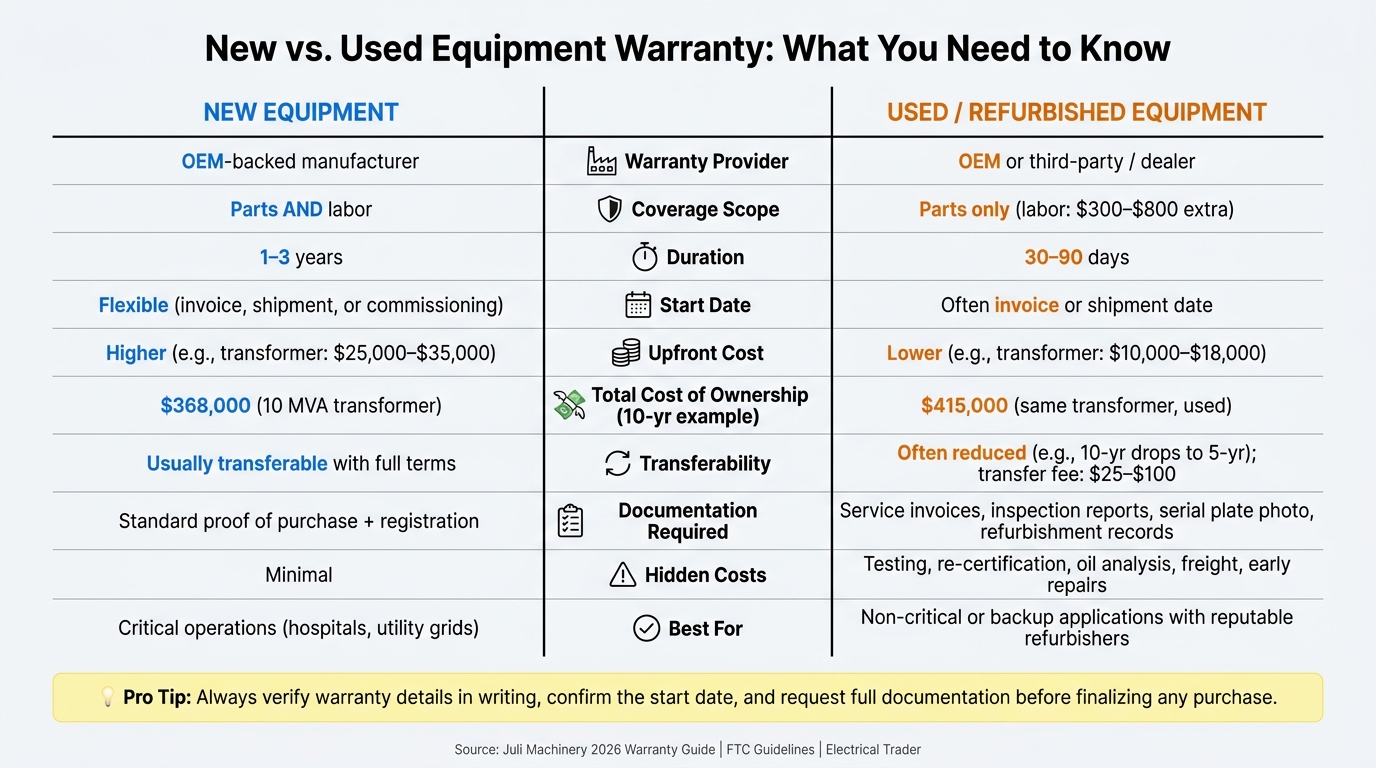
New vs. Used Equipment Warranty: Side-by-Side Comparison
Key Components of Equipment Warranties
Warranty Type and Provider
One of the first things to determine is who is behind the warranty. There are two primary types: manufacturer (OEM) warranties and third-party warranties. OEM warranties, issued directly by the manufacturer, tend to be more dependable. They often include access to authorized service networks and have consistent claim processes. Third-party warranties, on the other hand, come from distributors, resellers, or independent companies, and their quality can vary greatly.
This distinction becomes even more crucial when dealing with used equipment. Certified pre-owned equipment usually comes with stronger, OEM-backed terms that are clearly outlined. Refurbished equipment, however, often has shorter, more limited warranties, with coverage that heavily depends on the specific dealer or refurbisher. Make sure you know whether the warranty is OEM-backed, third-party, or handled in-house.
"OEM warranties typically cover defects in materials and workmanship, while aftermarket warranties may exclude 'wear items' (filters, belts, seals) even within the warranty period." - Juli Machinery's 2026 Warranty Guide
Once you’ve identified the warranty provider, the next step is to dig into what the warranty actually covers.
Coverage Scope
After confirming the provider, it’s time to examine the details of the warranty’s coverage. Warranties for new equipment often include both parts and labor. In contrast, warranties for used or refurbished equipment are frequently "parts only" and may only cover major components like the powertrain or key electrical systems. Keep in mind that labor costs for "parts only" warranties can range from $300 to $800.
Be on the lookout for exclusions. Consumables and wear items - such as filters, belts, and seals - are commonly excluded, even during the warranty period. Other exclusions often include damage caused by environmental factors, improper installation, or insufficient maintenance. If you’re reviewing a warranty for used electrical equipment, make sure to ask specific questions like: Does this warranty include labor? Are there components that are completely excluded?
Warranty Duration and Start Date
Another critical factor is the length of the warranty and when it officially begins. New industrial equipment typically comes with warranties lasting 1 to 3 years, while used or refurbished equipment often has much shorter coverage, usually just 30 to 90 days. While duration is important, the start date can be just as impactful.
Warranties can begin on the invoice date, the shipment date, or the commissioning date (when the equipment is installed and operational). For business buyers, the commissioning date is generally the most favorable option. If the warranty starts on the shipment date, you could lose weeks of coverage while the equipment is in transit or storage - before it’s even put to use. Always confirm the start date in writing before finalizing any agreements.
For used equipment, warranties that transfer to a new owner often come with reduced terms. For example, a 10-year parts warranty on new equipment might drop to 5 years when transferred, and the transfer itself may require a fee of $25 to $100.
sbb-itb-501186b
Eligibility, Exclusions, and Limitations
Installation and Maintenance Requirements
Your warranty hinges on proper installation and maintenance. Most manufacturers insist that equipment be installed by a licensed professional in compliance with local electrical codes. This includes ensuring proper grounding, bonding, and adherence to circuit load requirements. Regular maintenance is just as crucial - keep detailed records of scheduled servicing and report any defects in writing within 24 to 48 hours of discovery. Include photographic evidence with your report. To strengthen warranty claims, document the installation process with photos taken before, during, and after the work.
For used equipment that’s over two years old or has logged more than 1,500 operating hours, a pre-purchase inspection is critical. This inspection sets a baseline for warranty coverage and aligns with the equipment’s documented history, helping ensure that your warranty remains valid.
Standards for Used and Refurbished Equipment
When dealing with used or refurbished equipment, it’s important to understand the differences between the two terms, as they directly impact warranty coverage. Used equipment is sold as-is, often with limited or no warranty. Refurbished equipment, on the other hand, has been inspected, repaired, and tested, though the quality of refurbishment can vary depending on the seller.
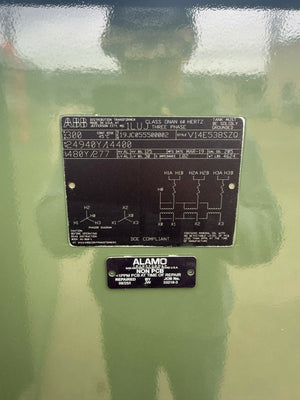
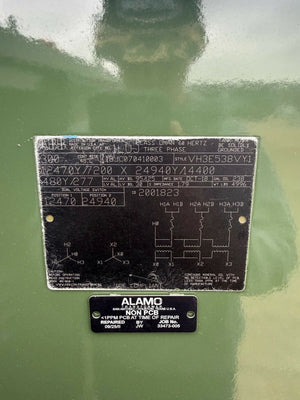
A proper refurbishment should include technician notes, workshop checklists, and proof of functional testing under load. If a seller claims equipment is "refurbished" but fails to provide this documentation, approach the claim with caution. Before finalizing a purchase, request a dated photo of the serial plate or a video showing the machine starting up and shutting down. Additionally, if the warranty doesn’t explicitly list certain parts or repairs as covered, assume those items are excluded.
"An implied warranty of merchantability on a used product is a promise that it can be used as expected, given its type and price range." - Federal Trade Commission
What Voids a Warranty
Knowing the standards for installation, maintenance, and refurbishment is half the battle. The other half is understanding what can void your warranty. Common issues fall into a few key categories:
| Category | Actions That Void Coverage |
|---|---|
| Installation | Unlicensed installation or failure to follow specifications |
| Modifications | Unauthorized changes or breaking warranty seals |
| Maintenance | Skipping required service intervals or failing to document them |
| Usage | Overloading circuits, misuse, or unintended applications |
| External Factors | Damage from natural events, third parties, or pre-existing site issues |
Additionally, check whether the warranty is transferable. Many warranties for used equipment are tied to the original owner, meaning coverage might not extend to you if you’re not the first buyer.
Cost and Risk Considerations
Warranty Costs and Fees
Once you’ve nailed down the warranty terms, it’s time to dig into the numbers. While new equipment comes with a heftier price tag upfront, used equipment can carry hidden costs that chip away at those initial savings. For example, reconditioned circuit breakers typically cost 30–60% of their new counterparts, while a used 1 MVA transformer might range between $10,000 and $18,000, compared to $25,000–$35,000 for a new one. However, additional expenses like third-party testing, oil analysis, re-certification, and freight can quickly add up.
Warranty duration is another factor to weigh. New equipment generally offers longer coverage compared to refurbished or "as-is" options. Over time, this can make a big difference. For instance, a new 10 MVA transformer priced at $100,000 has a lower total cost of ownership ($368,000) over 10 years compared to a used one bought for $55,000, which ends up costing $415,000 due to higher annual energy losses in older models.
Claim Process and Support
Understanding the warranty claim process is just as important as the coverage itself. Who do you contact? How quickly will they respond? And, most importantly, who foots the bill for labor and shipping? These details can make or break the deal.
"If shipping a 5,000-pound machine for warranty repair eliminates any cost benefits, the deal was never truly economical." - Maya Thompson
For new equipment, manufacturers usually handle claims directly. On the other hand, warranties for used or refurbished equipment are often managed by the third-party refurbisher or dealer, not the original manufacturer. This can lead to variations in response times, parts availability, and claim decisions. Before committing, insist on a named support contact and a written guarantee for response times. These measures help you gauge the broader financial and operational risks tied to your purchase.
Balancing Financial and Practical Risks
The importance of the equipment and the cost of failure should guide your decision between new and used. For critical operations - like hospitals or utility grids - where downtime translates to revenue loss by the hour, the savings from used equipment often don’t justify the risks. However, for less critical or backup applications, a well-documented refurbished unit from a reputable firm (such as a PEARL or NETA member) can be a smart choice.
To make an informed decision, compare the potential costs of downtime to any gaps in warranty coverage. For instance, if a refurbished unit comes with only a 6-month warranty and your operation can’t afford a failure during peak usage, that risk translates into real dollars.
"The best value is the lowest expected cost, not the lowest invoice." - Maya Thompson
It’s also wise to set aside a contingency budget for unexpected expenses in the first month - things like new seals, lubricants, or software activations are common with used purchases. Finally, always get clarity on who covers labor and return shipping for warranty claims. These small details can be the difference between a warranty that genuinely protects you and one that’s just for show.
Documentation and Comparison Tools
Warranty Documents and Proof of Coverage
Before signing anything, make sure you have the full written warranty in hand. A summary just won’t cut it. The warranty document should clearly outline the length of coverage, what parts or labor (or both) are included, and the exact process for filing a claim. Also, keep proof of purchase handy - it’s essential for establishing the original ownership date when making warranty claims.
If you’re dealing with used or refurbished equipment, ask for service invoices, lists of replaced parts, maintenance records, and inspection reports. A thorough inspection report should include the inspector's name, the date of inspection, specific test details, and any noted defects or advisories. Check if the product requires registration to activate its warranty. Missing deadlines - like a common 60- or 90-day registration period for HVAC equipment - can cut a 10-year parts warranty down to just 5 years.
Another crucial step? Get verbal promises in writing. If a salesperson offers a free service call or parts credit, make sure it’s written into the contract before you sign.
Serial Numbers and Equipment History
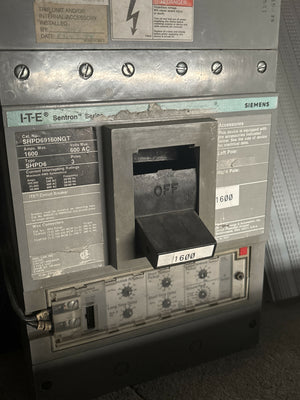
Once you’ve secured the warranty paperwork, it’s time to dig into the equipment’s history. The serial number is your best tool for verifying what you’re buying. Use it to check the manufacturer’s warranty database for details like registration status, the unit’s age, and any remaining coverage. Always request a dated, high-resolution photo of the serial plate to confirm the unit’s identity.
"Can you provide the unit's full service history and serial number for independent verification? If you don't get that, pause the transaction." - Elliot Mercer, Senior Editor & Equipment Marketplace Strategist
When buying used equipment, the serial number can also confirm that the seller has clear ownership and that the equipment isn’t tied up as collateral for another loan. Additionally, review the service history for any red flags that might void the warranty, such as installation by unlicensed contractors, missing permits, or non-approved parts. Even if the maintenance record isn’t perfect, having one is far better than none at all.
Using a Comparison Matrix
After collecting documents from multiple sellers, a comparison matrix can help you make sense of your options. This tool allows you to evaluate key warranty criteria side by side, keeping your decision grounded in facts instead of gut feelings.
"A vendor comparison matrix... brings objectivity and transparency to buying decisions by replacing gut feel with weighted scoring and documented trade-offs." - Ken Boyd, Accounting and Finance Expert, Ramp
Here’s how it works: List your key criteria in rows, assign a percentage weight to each based on its importance, and score each option. Multiply the scores by their weights to get a final tally. For example:
| Criteria | Weight (%) | Option A Score (1–5) | Option A Weighted | Option B Score (1–5) | Option B Weighted |
|---|---|---|---|---|---|
| Coverage Scope | 30% | 4 | 1.20 | 3 | 0.90 |
| Duration | 25% | 3 | 0.75 | 5 | 1.25 |
| Claim Process | 20% | 5 | 1.00 | 2 | 0.40 |
| Exclusions | 25% | 4 | 1.00 | 4 | 1.00 |
| Total | 100% | 3.95 | 3.55 |
It’s also smart to include a “Red Flag” column for issues like missing serial plates or unclear condition descriptions. For used equipment, add a row for documentation quality - warranties backed by complete refurbishment records tend to be more reliable. If a warranty fails a critical requirement (like a minimum 12-month duration), eliminate that option immediately instead of letting high scores in other areas sway your decision.
Using these tools ensures you’re making a well-informed purchase, with all the important details carefully considered.
Conclusion: Making Informed Warranty Decisions
Key Takeaways
The value of a warranty lies in its details - what's covered, whether labor is included, and how straightforward the claim process is. It's not just an extra; it's a critical part of the product. A well-documented warranty can save you from unexpected costs and headaches down the road.
When buying refurbished or certified equipment, proper documentation is non-negotiable. Service invoices, parts lists, and inspection reports with dates are key to verifying the equipment's condition. In many cases, a fully documented unit with a solid warranty ends up being more economical than a cheaper "as-is" option. Once you factor in the purchase price, freight, installation, and the risk of early failures, the savings from a reliable warranty become clear.
"Treat every refurbished listing like a mini due-diligence case file. If the photos, paperwork, inspection report, and warranty all tell the same story, the deal is usually stronger." - Jordan Ellis, Senior Marketplace Editor
Accountability matters too. Sellers who provide post-sale support - like installation help, remote troubleshooting, or written service agreements - show a higher level of commitment, reducing your overall risk. Verified documentation and thorough coverage are essential for making smarter, lower-risk purchases.
Using Electrical Trader for Confident Purchases
Electrical Trader simplifies the process by offering detailed warranty information on new and used electrical equipment. Their listings include fully refurbished and certified reconditioned options, such as substations, distribution panels, and protection relays. These often come with warranties, making them a safer and more cost-effective choice compared to "as-is" alternatives. This is especially important when you consider the potential costs of unplanned downtime.
If you don’t find the warranted item you need, you can contact Electrical Trader at RFQ@electricaltrader.com for help sourcing it. Before finalizing any purchase, use the checklist outlined in this guide: verify the serial number, request maintenance records, confirm whether the warranty is transferable, and get any verbal promises in writing. Following these steps ensures a well-informed and confident purchase.
Unlocking the Value of Warranty in Equipment Sales | Jacob Bryce
FAQs
Does this warranty cover labor, too?
In most cases, labor costs are not covered under this warranty. Unless the warranty terms specifically mention otherwise, customers are typically responsible for paying for any labor involved in repairs or installations.
When does the warranty clock start?
The warranty period usually starts on one of three key dates: the purchase date, the delivery date, or the installation date. The exact date depends on the product and the terms outlined in its warranty. Always review the warranty details for your equipment to determine when the coverage officially begins.
What paperwork should I request before buying used?
Before buying used electrical equipment, it's important to gather documentation that confirms its condition and history. Look for service logs, repair receipts, ownership records, and details about the manufacturer. Additionally, request inspection reports, test results, calibration certificates, and documents showing compliance with NEC standards. Modification logs can also be helpful to verify safety, regulatory compliance, and operational reliability. These records give you a clear picture of how the equipment was maintained and used.