

Overcurrent Protection: Fire Safety Basics
Overcurrent protection is essential to prevent electrical fires caused by excessive current. Overcurrent occurs in three main forms: overloads, short circuits, and ground faults. These conditions generate heat that can damage insulation, expose live wires, and ignite surrounding materials. Devices like circuit breakers, fuses, GFCIs, and AFCIs are designed to cut off power during such faults, reducing fire risks.
Key Points:
- Overloads happen when circuits carry more current than they’re rated for.
- Short circuits cause sudden, high-current surges.
- Ground faults occur when current flows to a grounded surface unexpectedly.
- Heat from overcurrent can quadruple with just a doubling of current (I²R formula).
- Proper devices, like breakers and fuses, interrupt power to prevent fires.
Protection Devices:
- Fuses: Single-use, fast response, ideal for sensitive electronics.
- Circuit Breakers: Reusable, protect against overloads and short circuits.
- GFCIs: Prevent electric shocks, required in wet areas.
- AFCIs: Detect hazardous arcs, reducing fire risks in living spaces.
- Overload Relays: Protect motors from prolonged overcurrent damage.
Standards like the National Electrical Code (NEC) ensure devices are correctly installed and matched to conductor sizes to prevent hazards. Advanced solutions, such as smart breakers and improved AFCIs, now offer real-time monitoring and enhanced safety features, addressing modern electrical demands like renewable energy systems and EV chargers.
Overcurrent Protection Devices
Fuses and Circuit Breakers
Fuses are single-use devices designed to protect electrical systems by interrupting the circuit when current exceeds safe levels. Inside, a metal strip melts under excessive current, effectively cutting off the flow of electricity. Fuses are affordable and respond up to six times faster than typical circuit breakers, making them particularly suited for protecting sensitive electronics. However, once a fuse blows, it must be replaced to maintain proper safety.
Circuit breakers, on the other hand, offer a reusable solution. These devices use a combination of thermal and magnetic mechanisms to interrupt the circuit during faults. The thermal mechanism relies on a bimetallic strip that bends under sustained overload, while the magnetic solenoid reacts instantly to short circuits. To keep circuit breakers functioning properly, it's a good idea to manually switch them off and on at least once a year to prevent mechanical parts from sticking.
The demand for these devices is growing, especially with advancements in industrial automation. In 2023, the global market for overcurrent protection devices was valued at $15.3 billion and is expected to reach $23.7 billion by 2028, driven by automation and renewable energy initiatives. Beyond handling overloads, specialized devices also protect against electrical shocks and fire hazards caused by arcs.
GFCIs and AFCIs
Ground Fault Circuit Interrupters (GFCIs) are designed to prevent electrical shocks by monitoring the current balance between hot and neutral wires. If an imbalance of about 5 mA is detected, the device trips within milliseconds to stop the flow of electricity and avoid potentially fatal shocks. These are required in areas like bathrooms, kitchens, and outdoor outlets where water exposure is common.
Arc Fault Circuit Interrupters (AFCIs) focus on preventing fires by detecting dangerous arcs caused by damaged wires or loose connections. Chad Soucy, an electrical expert at Interplay Learning, explains:
"If the circuit were not opened, the excessive current would overheat the wire insulation, burn the wires and possibly start an electrical fire."
AFCIs are particularly important in spaces like bedrooms and living areas, where standard breakers might miss the low-level arcing conditions that can produce extreme heat. By cutting off power before nearby materials ignite, AFCIs significantly reduce fire risks.
Overload Relays
Overload relays are another layer of protection, specifically for motors and industrial equipment. They guard against overheating caused by prolonged overcurrent conditions. Unlike circuit breakers, which act instantly during short circuits, overload relays monitor gradual heat buildup using bimetallic strips. These relays trip when sustained overcurrent threatens to damage the motor.
Industrial motors often experience brief surges - sometimes six to eight times their normal current - during startup. Overload relays are designed to allow these surges while still tripping if the overload continues. A temperature increase of just 10°C can cut insulation lifespan in half, highlighting the importance of proper protection. For motors with a service factor of 1.15 or higher, overload protection is typically set at 125% of the motor's full-load current, with allowances up to 140% if starting issues arise, as permitted by the NEC.
Since overload relays don’t protect against short circuits or ground faults, they are commonly paired with fuses or breakers suited for those conditions. These relays either trip a motor starter or signal a breaker to disconnect power. They are widely used in motor control systems, conveyor setups, and to safeguard high-value equipment like generators and transformers. By preventing thermal damage, they help eliminate a major source of fire risk in motor-driven machinery.
sbb-itb-501186b
Overcurrent Protection Standards and Guidelines
National Electrical Code (NEC) Requirements

NEC Article 240 lays out the rules for installing and sizing overcurrent protection devices (OCPDs) in the U.S., and following these guidelines is key to reducing fire risks in electrical systems. The basic idea? OCPDs need to cut off the circuit before the current gets high enough to damage conductors, insulation, or equipment. As Mike Holt, a well-known NEC expert, explains:
"The way you select and install overcurrent protection will determine whether it does its job - or fails when it matters most. Done correctly, it prevents overheating, arcing, and damage like melted conductors. Done wrong, and you've just created a fire hazard waiting to happen."
The NEC requires that conductors are protected based on their ampacities, as outlined in Sections 310.14 or 310.16. OCPDs must match the standard ampere ratings listed in NEC 240.6(A), which range from 15A to 6,000A. The "next size up" rule (240.4(B)) allows using the next higher standard rating if a conductor's ampacity doesn’t align perfectly - this applies only to devices rated 800A or less and when the circuit doesn’t supply multiple receptacles for plug-in loads. For devices rated above 800A, exact matching is mandatory to avoid fire risks.
Placement of OCPDs is just as important. They should be installed in easily accessible locations - steer clear of bathrooms, stairways, or areas with flammable materials. The operating handle must be no more than 6 ft 7 in from the floor. For vertically operated circuit breakers, the "ON" position should always face upward. Enclosures should also be mounted vertically unless there’s no practical alternative.
Interrupting ratings are another critical factor. Circuit breakers typically have a default interrupting rating of 5,000A unless marked otherwise, while fuses generally require a minimum of 10,000A. Always verify that an OCPD’s interrupting rating can handle the maximum fault current at its terminals. Using a device with an inadequate rating can result in equipment explosions and fire hazards.
These principles form the foundation for selecting the right protection devices, as discussed below.
Matching Protection Devices to Wire Size
Choosing the correct combination of wiring and protection devices is essential to prevent nuisance tripping and, more importantly, fire hazards. NEC 240.4(D) specifies maximum OCPD ratings for smaller conductors commonly used in residential and light commercial settings. If a breaker trips frequently, don’t just upsize it - find and fix the root cause of the overload instead.
| Conductor Size | Material | Maximum OCPD Rating (A) |
|---|---|---|
| 14 AWG | Copper | 15A |
| 12 AWG | Copper | 20A |
| 12 AWG | Aluminum / Copper-Clad Aluminum | 15A |
| 10 AWG | Copper | 30A |
| 10 AWG | Aluminum / Copper-Clad Aluminum | 25A |
For continuous loads (lasting three hours or more), OCPDs must be rated at least 125% of the load to account for heat buildup. Additionally, the conductor’s ampacity is influenced by terminal temperature ratings. Even if the wire itself is rated for 90°C, the ampacity is typically limited to the 60°C or 75°C columns in NEC tables because of these terminal limitations.
Where Overcurrent Protection is Used
Residential Use
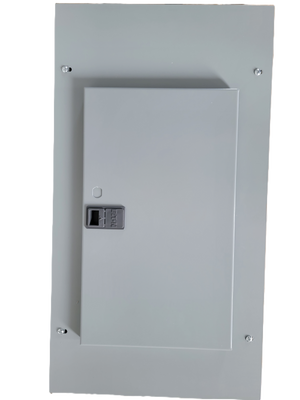
In homes, overcurrent protection devices play a critical role in preventing electrical fires. These devices are installed in service entrance panels and branch-circuit panelboards, safeguarding everything from kitchen outlets to lighting circuits. Most residential setups rely on miniature circuit breakers (MCBs) rated under 100 amps, which are well-suited for typical household electrical loads.
Placement of these devices is just as important as their functionality. Residential panels are usually located in accessible areas like garages, basements, or utility rooms. The National Electrical Code (NEC) prohibits installation in bathrooms or closets due to the risks posed by moisture and flammable materials. For instance, if a hair dryer causes an overload or an appliance shorts out, the breaker trips immediately, cutting power before the wiring overheats or insulation is damaged.
Commercial and Industrial Use
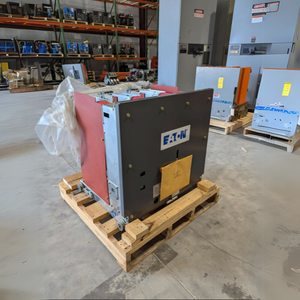
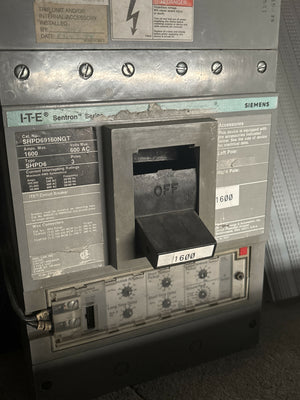
For commercial buildings and industrial facilities, the electrical demands are far greater, requiring more robust overcurrent protection. These settings use molded case circuit breakers (MCCBs) and protective relays designed to handle currents ranging from 15 to 2,500 amps. These devices protect essential systems like motor control centers, HVAC units, main feeder lines, and switchgear, which form the backbone of power distribution in these environments.
Industrial motor circuits, in particular, pose unique challenges. Motors can draw 5 to 8 times their normal running current during startup, which is why the NEC allows breakers to be sized up to 250% of a motor’s full-load amperage. This prevents nuisance tripping during startup while still offering effective protection. In critical facilities such as hospitals or data centers, selective coordination ensures that only the breaker nearest to the fault trips, isolating the issue and preventing a total power outage.
Given the high stakes in these applications, using reliable, code-compliant devices is absolutely essential.
Where to Buy Overcurrent Protection Devices
Quality overcurrent protection is a cornerstone of safe electrical systems. Whether you're upgrading a residential panel with MCBs or equipping an industrial motor control center with MCCBs, choosing reliable, code-compliant devices is non-negotiable.
For electricians, contractors, or facility managers seeking dependable equipment, Electrical Trader (https://electricaltrader.com) is a trusted marketplace. They offer a wide selection of new and used electrical components, including breakers, transformers, and power distribution equipment, all compliant with NEC and UL standards. Whether you need standard parts or rare components, Electrical Trader ensures quick access to the right solutions.
What Is Overcurrent Protection And Why Is It Essential For Electrical Safety?
How to Choose the Right Overcurrent Protection Device
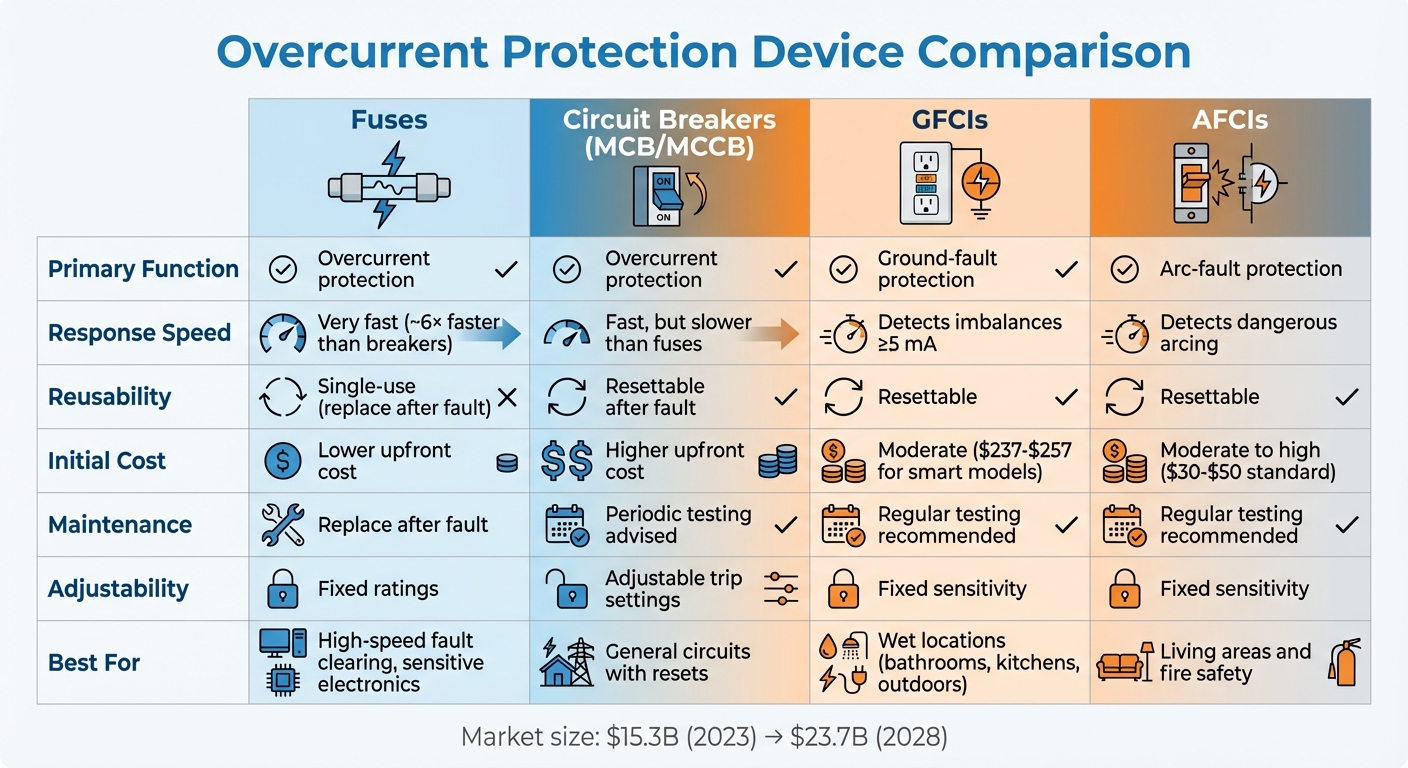
Overcurrent Protection Devices Comparison Chart
Device Selection and Sizing Process
Choosing the right overcurrent protection device (OCPD) involves a systematic approach. As NEC expert Mike Holt aptly states:
"Undersize your overcurrent protective device (OCPD), and normal operations might become impossible. Oversize your OCPD, and the whole place might burn down."
The first step is to understand your load. Determine whether it’s continuous (operating at maximum current for three hours or more) or noncontinuous. Continuous loads generate sustained heat, so the NEC requires sizing the OCPD at 125% of the load current to handle this condition. For instance, a 16‑amp continuous load would need protection rated for at least 20 amps.
Next, ensure three critical ratings are met:
- Voltage Rating: Must meet or exceed the system’s requirements.
- Ampere Rating: Should match the calculated load and protect conductor ampacity.
- Interrupting Rating (AIC): Must exceed the maximum fault current. Standard OCPDs generally have a 5,000‑ampere interrupting rating unless specified otherwise.
For motor circuits, breakers are sized up to 250% of the motor’s full-load amperage to accommodate startup surges. For example, a 25‑horsepower, 460‑V, 3‑phase motor with a full-load amperage of 34 A would require a breaker sized at 34 A × 2.5 = 85 A. You’d then select the next standard size, which is 90 A. If the fault current at that location is 18,000 A, the breaker must have an AIC rating of at least 22 kA.
Physical constraints also play a role. Consider the frame size, mounting style (DIN rail, bolt‑on, or plug‑in), and the number of poles required. For critical facilities like hospitals, data centers, or manufacturing plants, selective coordination is essential. This ensures that only the OCPD closest to the fault trips, isolating the issue without disrupting the entire system. Proper selection not only meets NEC standards but also helps prevent electrical fires.
Device Comparison Chart
Once you’ve determined the appropriate ratings and sizing, compare device features to find the best match for your application.
| Feature | Fuses | Circuit Breakers (MCB/MCCB) | GFCIs | AFCIs |
|---|---|---|---|---|
| Primary Function | Overcurrent protection | Overcurrent protection | Ground-fault protection | Arc-fault protection |
| Response Speed | Very fast; ~6× faster | Fast, but slower than fuses | Detects imbalances ≥5 mA | Detects dangerous arcing |
| Reusability | Single-use; replace after fault | Resettable after fault | Resettable | Resettable |
| Initial Cost | Lower upfront cost | Higher upfront cost | Moderate | Moderate to high |
| Maintenance | Replace after fault | Periodic testing advised | Regular testing recommended | Regular testing recommended |
| Adjustability | Fixed ratings | Adjustable trip settings | Fixed sensitivity | Fixed sensitivity |
| Best For | High-speed fault clearing | General circuits with resets | Wet locations and safety | Living areas and fire safety |
Fuses are ideal for applications requiring rapid response, such as protecting sensitive electronics or transformer primaries. Circuit breakers, on the other hand, are better suited for scenarios needing frequent resets or adjustable trip settings. In residential and commercial settings, GFCIs are essential for wet areas like bathrooms and kitchens, while AFCIs are critical for preventing fires in living spaces.
In 2023, the global market for overcurrent protection devices was valued at around $15.3 billion and is expected to grow to $23.7 billion by 2028. For sourcing high-quality devices, platforms like Electrical Trader (https://electricaltrader.com) offer a wide range of NEC-compliant breakers, fuses, and protective relays for residential, commercial, and industrial needs.
New Technology in Overcurrent Protection
Smart Circuit Breakers and Monitoring Systems
Smart circuit breakers bring a modern twist to traditional circuit protection by integrating digital intelligence. These devices combine thermal-magnetic trip mechanisms with advanced sensors, microprocessors, and communication modules, creating a more dynamic approach to monitoring and managing electrical systems. According to ZKELE, a smart circuit breaker not only halts faults like a silent guardian but also logs and communicates fault details in real time.
The functionality of these breakers can be broken down into three key layers:
- Protection Layer: Interrupts current flow during faults to prevent damage.
- Sensing Layer: Continuously monitors voltage, current, and temperature.
- Communication Layer: Uses Wi-Fi, Zigbee, or Ethernet to transmit real-time data to apps or building management systems.
This setup allows for early detection of potential issues, such as overheating or unintended power consumption, well before a traditional breaker would act.
Smart breakers also contribute to energy efficiency, reducing consumption by 5% to 30% through real-time monitoring and automated load adjustments. Phantom power - energy drawn by devices in standby mode - accounts for 6% to 23% of a typical home's electricity use, and smart breakers help curb this waste. Additionally, they handle complex loads from EV chargers, solar panels, and battery storage without requiring a full panel upgrade. Beyond energy savings, these systems enhance safety by providing early warnings and precise load management to reduce fire risks.
When considering an upgrade, ensure the devices are UL-listed and meet code requirements to maintain safety standards. It's worth noting that smart breakers are often specific to their load centers; for instance, Leviton smart breakers are compatible only with Leviton panels. Standard 20A models from Leviton are priced around $141, while GFCI models range from $237 to $257. Eaton's AbleEdge GFCI 2-pole models (15A to 50A) are priced between $220 and $320. Due to the complexity of installation, including auxiliary power and network setup, professional help is highly recommended.
This evolution in circuit protection sets the stage for next-level advancements in AFCI technology.
Improved AFCIs and Fire Prevention
Upgraded Arc Fault Circuit Interrupters (AFCIs) take fire prevention to a new level by offering precise detection of hazardous arcs. Modern AFCIs use microprocessors to differentiate between harmless operational arcs - like those from motor brushes or switches - and dangerous arcs caused by loose connections or damaged wires. This distinction is crucial, as arcing is responsible for about 82% of electrical fires, far surpassing risks from overloads or short circuits. These arcs can reach temperatures of 2,000°F to 10,000°F, easily igniting materials like wood framing or carpets.
"Combination Type" AFCIs now protect against both parallel arcs (line-to-neutral) and series arcs (caused by broken or loose conductors). These modern devices are significantly more sensitive than older models, detecting series arcing at as low as 5 amperes, compared to the 75 amperes required by earlier versions. Using waveform recognition, AFCIs continuously monitor electrical patterns, focusing on specific frequencies (around 100 kHz) and current irregularities that signal dangerous conditions. As Alex Roderick explains:
"An AFCI contains a microprocessor (computer on a chip) that constantly compares the current-voltage patterns in the protected circuit to those found in a normal circuit."
Thanks to digital signal processing, these devices can receive software updates to refine their algorithms, reducing false alarms from devices like vacuum cleaners or laser printers. Some AFCIs even come equipped with ground current sensors (typically 30 mA) to detect insulation issues before they escalate into arc faults. Dual-function breakers now combine AFCI and GFCI features, offering simultaneous protection against arcing faults and electric shocks.
AFCI breakers are relatively affordable, typically costing between $30 and $50 each. Considering that electrical fires cause over 350 deaths and 1,400 injuries annually in the U.S., this is a small price to pay for improved safety. By accurately identifying hazardous arcs, these advanced AFCIs play a vital role in preventing electrical fires and ensuring safer modern electrical systems.
Conclusion
Overcurrent Protection Summary
Overcurrent protection plays a critical role in preventing electrical fires. Whether caused by the slow heat buildup of an overload or the sudden energy release from a short circuit, overcurrent conditions can generate enough heat to ignite nearby materials. Devices like circuit breakers, fuses, GFCIs, and AFCIs act as automatic safeguards, cutting power flow before conductors overheat or insulation begins to fail. Without these protections, excessive current can quickly raise conductor temperatures, leading to damage, insulation breakdown, and potential fires.
The development of modern smart breakers and advanced AFCIs has further enhanced safety measures. With the global overcurrent protection market expected to grow from $15.3 billion in 2023 to $23.7 billion by 2028, the industry is adapting to meet the needs of renewable energy systems, electric vehicle infrastructure, and smart grids. These advancements highlight the importance of maintaining strict safety standards and relying on reliable, high-quality equipment.
Following Safety Standards and Using Quality Equipment
Adhering to National Electrical Code standards is essential for safe electrical installations. Avoid the temptation to upsize a breaker to mask underlying issues. As Kent Electrical Supply aptly explains:
"Installing a larger fuse or breaker is like disabling your car's airbags because one accidentally deployed. The device is tripping for a reason - it is signaling an underlying problem."
Always ensure that your overcurrent protection device's interrupting rating matches or exceeds the available fault current at its installation point. This step is vital for both safety and compliance.
Choosing UL-listed, high-quality equipment is another key aspect of ensuring reliable performance and adherence to safety standards. For those in need of electrical components, platforms such as Electrical Trader (https://electricaltrader.com) provide a convenient marketplace for breakers, transformers, and power distribution equipment suited to residential, commercial, and industrial needs.
Regular upkeep is equally important. Tasks like cycling breakers annually, retorquing connections, and testing GFCIs as recommended can ensure your protection systems are ready to act when needed most. Combining code-compliant devices with consistent maintenance significantly reduces the risk of devastating electrical fires. By understanding device functionality, following proper standards, and staying informed about evolving technologies, you can effectively mitigate fire risks in any electrical setup.
FAQs
How do I know what size breaker or fuse to use?
To determine the correct breaker or fuse size, start by evaluating the electrical load and the conductor size, ensuring compliance with the National Electrical Code (NEC). One key guideline is the 125% rule for continuous loads: size the breaker or fuse to handle 125% of the load current. For instance, if the load is 20 amps, you’ll need a breaker rated for at least 25 amps. Always confirm the breaker or fuse aligns with the conductor's ampacity and adheres to NEC safety requirements.
When do I need GFCI vs. AFCI protection?
GFCI, or Ground Fault Circuit Interrupter, protection is essential in areas where water or moisture is present, such as bathrooms, kitchens, outdoor outlets, and laundry rooms. Its primary role is to reduce the risk of electrical shock.
On the other hand, AFCI, or Arc-Fault Circuit Interrupter, protection is designed for living spaces like bedrooms and hallways. It helps prevent electrical fires caused by arcing faults, which can occur when wires are damaged or improperly connected.
Both types of protection are often mandated by the National Electrical Code (NEC) to enhance residential safety.
What is interrupting rating (AIC), and why does it matter?
Interrupting rating, also known as Ampere Interrupting Capacity (AIC), refers to the highest fault current a circuit breaker or fuse can safely handle without failing. Choosing a device with the correct AIC is crucial because it directly impacts safety during short-circuit events.
When a device is properly rated, it can disconnect power effectively, reducing the risk of catastrophic failures, fires, or injuries. This not only protects electrical systems but also safeguards property and the people working around them.