

NEC Fire Safety Standards: Brand Comparison for Equipment
The National Electrical Code (NEC), updated every three years, sets safety standards for electrical wiring and equipment to reduce fire risks and protect lives. Compliance with NEC is critical when selecting electrical products, especially for fire safety. This article compares five leading brands - Siemens, Schneider Electric, Eaton, ABB, and Square D - on their adherence to NEC standards, fire safety features, and product offerings.
Key Takeaways:
- Siemens: Known for AFCI and GFCI integration, advanced fault detection, and NEC-compliant transformers that eliminate fire-rated room requirements.
- Schneider Electric: Offers QO and Homeline breakers with AFCI/GFCI, plus IoT-connected EcoStruxure systems for monitoring and safety.
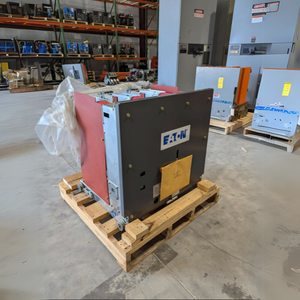
- Eaton: Provides robust AFCI/GFCI features, smart breakers, and explosion-proof enclosures for hazardous environments.
- ABB: Focuses on advanced fault protection and digital monitoring through ABB Ability™, ideal for large-scale industrial projects.
- Square D: A Schneider Electric brand offering user-friendly breakers and panels with NEC compliance, suitable for residential and commercial use.
Quick Comparison:
| Brand | Certifications | Key Safety Features | Product Focus | Smart Features |
|---|---|---|---|---|
| Siemens | UL, NEC | AFCI/GFCI, fault detection | Breakers, transformers, panels | Digital monitoring |
| Schneider Electric | UL, NEC | AFCI/GFCI, surge protection | Breakers, panels, emergency systems | IoT-enabled EcoStruxure |
| Eaton | UL, NEC | AFCI/GFCI, explosion-proof | Breakers, transformers, panels | Remote monitoring |
| ABB | UL, NEC | Arc fault detection | Breakers, transformers, panels | ABB Ability™ digital solutions |
| Square D | UL, NEC | AFCI/GFCI, Visi-Trip | Breakers, panels, emergency systems | Energy monitoring |
Each brand offers NEC-compliant equipment tailored to different needs, from residential safety to industrial-scale fire protection. Choose based on your project requirements, whether it's advanced fault detection, smart monitoring, or ease of installation.
How Does The NEC Protect Property From Electrical Fires? - Electrical Engineering Essentials
1. Siemens
Siemens stands out as a major U.S. supplier of electrical equipment, recognized for its focus on fire safety and adherence to NEC standards. Its commitment to compliance and safety has earned the trust of contractors and engineers alike. Below, we explore how Siemens ensures NEC compliance and enhances fire safety through its products.
NEC Compliance Certifications
Siemens products come with UL certifications, ensuring they meet NEC requirements. Each item is accompanied by detailed documentation - like labels, manuals, and datasheets - that confirm its compliance with these standards.
Fire Safety Features
Siemens integrates advanced fire prevention technologies into its equipment. For example, its circuit breakers include both AFCI (Arc Fault Circuit Interrupter) and GFCI (Ground Fault Circuit Interrupter) protection. The U.S. Consumer Product Safety Commission estimates that AFCI technology alone could prevent nearly 50% of electrical fires annually. Siemens also includes features like overcurrent protection and fire-resistant enclosures for added safety.
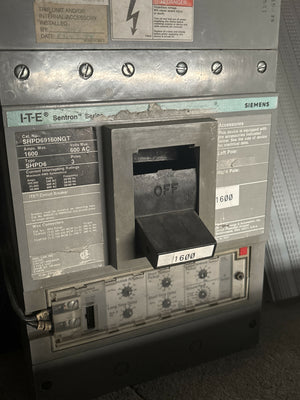
The Sentron series circuit breakers are a prime example, combining AFCI and GFCI protection with smart features that provide real-time alerts for proactive maintenance. These features align with NEC’s evolving standards, ensuring that the equipment remains compliant over time.
Product Range
Siemens offers a wide array of products designed to meet NEC fire safety standards across residential, commercial, and industrial applications. For example:
- Low-voltage panelboards and switchboards: Designed for "readily accessible" installations as required by the NEC.
- Circuit breakers: Available in options ranging from basic residential models ($20–$50 USD) to advanced commercial solutions.
One standout product is their dry-type transformer, which features a Class 220 insulation system. This design eliminates the need for a fire-rated room, making installations both safer and more flexible. For critical environments, Siemens provides equipment compliant with NEC Articles 700 and 517, ensuring dependable power for life safety circuits and alarms.
New Developments
Siemens continues to introduce cutting-edge solutions to enhance fire safety. Their latest smart breakers feature advanced fault detection algorithms, identifying potential issues before they escalate. Recent updates also address the 2023 NEC changes, which expanded arc flash labeling requirements and lowered the amperage threshold for mandatory labeling. Siemens has updated its switchgear and panelboards to include comprehensive arc flash labeling and safety features.
Additionally, Siemens is investing in smart electrical equipment that integrates with building management systems. These systems provide real-time monitoring of fire and electrical safety parameters, allowing facility managers to quickly address potential problems.
| Product Type | Key Fire Safety Features | NEC Safety Advantage |
|---|---|---|
| Circuit Breakers | AFCI/GFCI integration, arc flash labeling | Reduces risk of fires and electrical shocks |
| Panelboards | Readily accessible design, clear labeling | Facilitates quick shutdown in emergencies |
| Transformers | Class 220 insulation system | Eliminates need for fire-rated room installations |
| Switchgear | Digital monitoring, comprehensive labeling | Enables early fault detection and full compliance |
For those looking to purchase Siemens equipment, platforms like Electrical Trader offer a range of new and used Siemens products. These items maintain their NEC fire safety certifications, making them a reliable choice for code-compliant electrical components and power distribution systems.
2. Schneider Electric

Schneider Electric stands out as a major player in the U.S. electrical equipment market, widely recognized for its dependable circuit protection solutions. Its dedication to adhering to NEC standards and advancing fire safety technologies has made it a trusted choice for contractors and engineers working on residential, commercial, and industrial projects.
NEC Compliance Certifications
Schneider Electric, much like Siemens, is committed to staying ahead of evolving NEC standards. Its products undergo strict testing to meet these requirements and typically carry certifications from UL (Underwriters Laboratories) or ETL. These certifications, along with detailed product manuals, confirm NEC compliance. The company is also actively involved in NEC code development, ensuring its products align with the NEC's three-year revision cycle.
This commitment to compliance is further reflected in Schneider Electric's integration of advanced safety features into its product designs.
Fire Safety Features
Schneider Electric's QO and Homeline circuit breakers are equipped with AFCI and GFCI technologies, which are designed to detect and interrupt hazardous electrical faults. Additionally, the company incorporates advanced overcurrent protection devices that respond quickly to dangerous electrical conditions. Products like the Square D safety switches are widely used in emergency and life safety systems for dependable power isolation. Meanwhile, their low-voltage dry-type transformers utilize high-temperature insulation, which can eliminate the need for fire-rated rooms in certain installations.
Product Range
Schneider Electric offers a broad range of products tailored to meet NEC fire safety requirements. Its lineup includes panelboards, switchboards, circuit breakers, transformers, and fire alarm system components, each designed to address specific NEC articles. For example:
- In healthcare facilities, Schneider Electric's panelboards and emergency power systems comply with NEC Article 517, ensuring life safety and support for critical operations.
- In commercial buildings, their equipment is used to meet NEC mandates for emergency lighting, fire alarm systems, and egress safety.
Pricing varies widely based on the product and configuration. Circuit breakers typically range from $20 to over $200 per unit, while panelboards and switchgear can cost anywhere from $500 to several thousand dollars.
New Developments
Schneider Electric continues to push the boundaries of electrical safety by integrating digital technologies into its fire safety offerings. The company has developed smart breaker technologies and digital monitoring systems that allow for real-time fault detection and predictive maintenance. The EcoStruxure platform, for instance, uses IoT connectivity to provide real-time monitoring, helping users proactively manage NEC compliance and minimize fire risks. These advancements highlight Schneider Electric's ability to blend traditional safety measures with modern, tech-driven solutions.
For those seeking certified, NEC-compliant equipment, Schneider Electric products are available through Electrical Trader.
3. Eaton
Eaton stands out as a prominent name in the U.S. electrical equipment market, known for its extensive product offerings and dedication to NEC fire safety standards. By combining proven reliability with cutting-edge safety technologies, Eaton has become a trusted choice for residential, commercial, and industrial electrical applications.
NEC Compliance Certifications
Eaton ensures its products meet NEC requirements by maintaining UL listings and third-party certifications. These certifications confirm compliance with critical safety elements like arc flash protection, overcurrent protection, and proper labeling . Eaton keeps a close eye on NEC revisions to maintain up-to-date compliance, reinforcing the reliability of its safety features.
Fire Safety Features
Fire safety is at the core of Eaton’s electrical protection strategy. Their circuit breakers are equipped with Arc Fault Circuit Interrupters (AFCIs) and Ground Fault Circuit Interrupters (GFCIs), designed to detect and stop dangerous electrical faults before they can cause fires or injuries.
"AFCIs could prevent roughly 50% of electrical fires that occur annually in the United States", according to the U.S. Consumer Product Safety Commission.
Eaton also complies with NEC 110.16(B) by including mandatory arc flash warning labels on its equipment. Their robust enclosure designs contain electrical faults, reducing the risk of fire spread . For hazardous environments like gas stations and chemical plants, Eaton manufactures explosion-proof enclosures with sealed conduit entries that meet NEC standards.
Product Range
Eaton’s product lineup is engineered to meet NEC fire safety requirements across a wide range of applications. Their offerings include panelboards, switchboards, transformers, circuit breakers, and safety switches - all designed with specific NEC compliance standards in mind . For example:
- Low-voltage dry-type transformers: These use Class 220 insulation systems, eliminating the need for fire-rated rooms under NEC guidelines.
- Healthcare solutions: Eaton provides emergency power distribution systems that comply with NEC Article 517, supporting life safety and critical operations in medical facilities.
- Fire-rated transformer enclosures: Ideal for large commercial buildings where strict fire resistance ratings are required .
Eaton’s pricing reflects the quality and safety of its NEC-compliant equipment. Residential AFCI/GFCI breakers are typically priced between $40–$80 per unit, while commercial-grade equipment costs vary based on capacity and specifications.
New Developments
Eaton has introduced smart breakers that integrate arc and ground fault protection with remote monitoring capabilities. These advancements align with the latest NEC updates, including expanded arc flash labeling. The remote monitoring feature enables faster fault detection and response, enhancing overall fire safety management.
For professionals seeking dependable, NEC-compliant electrical solutions, Eaton’s products are readily available through Electrical Trader. Whether you’re looking for new or used components, Eaton’s offerings provide peace of mind with their adherence to stringent fire safety standards.
sbb-itb-501186b
4. ABB
ABB is a well-known name in electrical equipment, recognized for its focus on safety, reliability, and adherence to NEC standards. This commitment has made it a go-to option for commercial, industrial, and institutional projects across the United States.
NEC Compliance Certifications
To meet NEC standards, ABB subjects its equipment to rigorous third-party testing, earning UL and ETL certifications. These certifications form the foundation of ABB's comprehensive approach to fire safety.
Fire Safety Features
ABB integrates multiple layers of fire protection into its products. Features like advanced overcurrent protection, arc fault detection, and ground fault protection are designed to significantly reduce fire risks. For instance, their AFCIs (Arc Fault Circuit Interrupters) can cut power when dangerous arcing is detected, potentially preventing nearly 50% of electrical fires. Additionally, ABB's low-voltage dry-type transformers use specialized Class 220 insulation systems, which, under NEC guidelines, allow installation without requiring fire-rated rooms.
Product Range
ABB offers a wide selection of NEC-compliant equipment. Their portfolio includes low- and medium-voltage circuit breakers, panelboards, switchgear, transformers, and fire alarm system components, all designed to meet NEC fire safety standards. For healthcare facilities, ABB produces equipment that aligns with NEC Article 517, which governs essential electrical systems in medical environments.
In one hospital project, ABB supplied low-voltage switchgear and panelboards that delivered reliable overcurrent protection, proper circuit separation, and clear labeling, ensuring both NEC compliance and enhanced fire safety. ABB also provides emergency distribution equipment designed for fire-resistant spaces, supporting NEC Articles 700 (Emergency Systems) and 760 (Fire Alarm Systems).
New Developments
ABB continues to innovate by introducing smart circuit protection devices equipped with real-time monitoring, predictive maintenance, and advanced fault detection capabilities. Through ABB Ability™ digital solutions, these devices can monitor system conditions, detect abnormalities, and send instant alerts. This proactive approach adds a layer of safety that goes beyond standard NEC requirements.
For professionals looking for dependable, NEC-compliant solutions, ABB products are available through specialized distributors and online platforms like Electrical Trader. To ensure compliance, buyers should verify third-party certifications and review product documentation carefully.
5. Square D
Square D, a prominent brand under Schneider Electric, stands out for its focus on NEC compliance and fire prevention across residential, commercial, and industrial settings.
NEC Compliance Certifications
Square D products are designed to meet NEC standards, carrying certifications like UL and undergoing regular updates to align with NEC revisions.
Fire Safety Features
Square D has been at the forefront of safety technology, introducing AFCI and GFCI breakers. AFCIs are designed to detect hazardous arcing and cut power before a fire can ignite, while GFCIs offer protection against ground faults that could result in electrical fires or electrocution.
The QO series includes a "Visi-Trip" indicator, making fault detection quick and straightforward. Additionally, these breakers provide robust overcurrent protection and reliable grounding.
Product Range
Square D offers a wide variety of products tailored to different applications:
- Residential: QO and Homeline breakers
- Commercial: NQ and NF panelboards
- Industrial: Switchboards, safety switches, and transformers
For instance, in healthcare settings, Square D panelboards and breakers are often used to meet NEC Article 517 standards, ensuring dependable power and critical fire protection. In high-rise commercial buildings, their switchgear and transformers are installed in fire-rated rooms and feature Class 220 insulation systems, which can eliminate the need for additional fire-rated enclosures.
These trusted products form the foundation for Square D's cutting-edge advancements.
New Developments
Square D is stepping into the future with smart technology. Its Wiser Energy system integrates with load centers, offering real-time energy monitoring and diagnostics to support proactive maintenance.
For professionals looking for dependable, NEC-compliant solutions, Square D products are available through authorized distributors and specialized online platforms like Electrical Trader.
Brand Comparison Summary
Choosing NEC-compliant equipment means understanding how different brands stack up in terms of safety and performance. Here's a comparison of five top brands and how they address essential criteria:
| Brand | NEC Compliance Certifications | Fire Safety Features | Product Range | New Developments |
|---|---|---|---|---|
| Siemens | UL, ANSI, NEC | AFCI, GFCI, smart breakers | Breakers, transformers, panels | Digital monitoring, Class 220 insulation |
| Schneider Electric | UL, ANSI, NEC | AFCI, GFCI, surge protection | Breakers, panels, emergency systems | EcoStruxure smart tech, advanced AFCI |
| Eaton | UL, ANSI, NEC | AFCI, GFCI, surge protection | Breakers, transformers, panels | Smart breakers, Class 220 insulation |
| ABB | UL, ANSI, NEC | AFCI, GFCI, arc protection | Breakers, transformers, panels | Digital switchgear, advanced insulation |
| Square D | UL, ANSI, NEC | AFCI, GFCI, surge protection | Breakers, panels, emergency systems | Smart panels, advanced AFCI/GFCI |
This table highlights both similarities and differences among the brands, showcasing their individual approaches to meeting NEC standards and prioritizing fire safety. In industries like healthcare, where NEC Article 517 compliance is crucial, these designs cater to life safety, critical systems, and equipment power branches.
Fire safety remains a top priority for all these manufacturers, with features like AFCI and GFCI integrated across their product lines. Electrical Trader offers a range of NEC-compliant equipment from these brands, making it easier to compare certifications and safety features before making a decision.
Another area where these brands stand out is in their use of smart technologies. From digital monitoring to advanced insulation, they are collectively pushing the boundaries of safety and innovation in the electrical equipment space.
Conclusion
Choose a brand that aligns with your project needs by focusing on their specific strengths. This comparison emphasizes compliance, advanced safety features, and cost-efficiency as the main factors to consider. Take a closer look at what each brand excels in before making your decision.
Schneider Electric and Eaton stand out for their cutting-edge fire safety features. Both brands consistently incorporate AFCIs and GFCIs into their products, often going beyond the minimum NEC requirements. They are particularly well-suited for residential and light commercial applications where dependable, up-to-date protection is crucial.
For more complex and critical environments, Siemens and ABB are the go-to options. Siemens is a top choice for healthcare facilities, offering strong compliance with NEC Article 517 and comprehensive emergency power systems. ABB, on the other hand, shines in large-scale industrial projects, delivering engineering precision, though its products may demand more specialized installation expertise.
Square D offers a dependable middle ground for general applications. With competitive pricing and user-friendly installation, it’s an excellent option for contractors seeking reliable, budget-conscious solutions.
The broader impact of safety features like GFCIs is undeniable - home electrocutions have been reduced by half since their inclusion in the NEC. This underscores the importance of integrating these safety measures across all five brands.
Ultimately, the type of project should guide your choice. Siemens is ideal for hospitals and healthcare facilities due to its expertise in Article 517. ABB’s advanced technology and fire-rated solutions make it a strong candidate for high-rise buildings, while Schneider Electric and Eaton's robust AFCI/GFCI offerings are perfect for residential projects.
Each brand differentiates itself through its approach to innovation, ease of installation, and specialization. Consulting with experienced electricians and utilizing resources like Electrical Trader can help you make informed, code-compliant decisions. Choosing equipment that adheres to NEC standards ensures both safety and cost-efficiency for your project.
FAQs
How do AFCI and GFCI technologies enhance fire safety in electrical systems?
AFCI (Arc-Fault Circuit Interrupter) and GFCI (Ground-Fault Circuit Interrupter) devices are essential for preventing electrical hazards and improving fire safety.
AFCIs are specifically designed to detect arc faults - unintended electrical discharges that can happen due to damaged cords, loose connections, or aging wires. These faults can generate heat and potentially ignite fires. By cutting off the circuit as soon as an arc is detected, AFCIs help minimize the risk of electrical fires.
GFCIs, in contrast, focus on protecting against ground faults. A ground fault happens when electrical current strays from its intended path, which can result in severe shocks or overheating. GFCIs monitor the flow of current and shut off power immediately if they sense even a slight imbalance, offering critical protection against these risks.
Both AFCIs and GFCIs are key components in meeting NEC fire safety standards. They are often mandatory in both residential and commercial settings to ensure electrical systems operate safely.
What should I consider when selecting NEC-compliant equipment from brands like Siemens, Schneider Electric, Eaton, ABB, or Square D?
When selecting NEC-compliant equipment from trusted brands like Siemens, Schneider Electric, Eaton, ABB, or Square D, there are a few important aspects to keep in mind to ensure both safety and efficiency.
Start by verifying the product's certification and adherence to NEC fire safety standards. This step confirms that the equipment meets the required safety guidelines for your specific application.
Next, assess the unique demands of your project. Consider factors such as voltage ratings, load capacity, and the conditions the equipment will operate in. Some brands may excel in providing solutions for particular industries or specialized equipment features that could be a better fit for your needs. It’s also worth looking into the availability of replacement parts, warranty terms, and the quality of customer support - these elements can play a big role in maintaining reliability and simplifying future maintenance.
Finally, weigh your budget against the overall value of the equipment. While comparing prices, take durability and performance into account to ensure you're investing in a solution that aligns with both your financial and operational priorities.
How do smart technologies and digital monitoring improve fire safety in electrical equipment?
Smart technologies and digital monitoring are transforming fire safety by offering real-time data and early warning capabilities. These tools can identify issues like overheating, electrical faults, or other irregularities before they develop into serious fire risks.
With advanced sensors and monitoring systems, it's possible to keep an eye on essential factors such as temperature, voltage, and current. This ensures that equipment stays within safe operating limits. Many of these systems also feature automated alerts and remote access, allowing for swift action to address potential problems and minimize downtime. By adopting these innovations, both businesses and homeowners can create safer and more dependable electrical systems.