

Energy Efficiency Standards vs Certifications
In the realm of energy-efficient products, two key systems guide decision-making: standards and certifications. Here's a quick breakdown:
- Standards: These are mandatory regulations, enforced by the U.S. Department of Energy (DOE), setting minimum energy performance requirements. Products failing to meet these cannot be sold or manufactured in the U.S. For instance, modern refrigerators now use 75% less energy compared to 1973 due to these rules.
- Certifications: Voluntary programs like ENERGY STAR highlight products that exceed basic standards. Certified products often perform at least 10% better than required, offering savings on energy bills and access to rebates.
Key Differences:
- Mandatory vs. Voluntary: Standards are legally enforced, while certifications are optional but offer market advantages.
- Issuers: Standards are set by the DOE, whereas certifications are managed by organizations like the EPA, often involving third-party testing.
- Focus: Standards ensure baseline efficiency; certifications reward higher performance.
Both systems are crucial. Standards ensure compliance and eliminate inefficient products, while certifications help buyers identify high-performing options and give sellers a competitive edge.
Quick Comparison:
| Aspect | Standards | Certifications |
|---|---|---|
| Requirement | Mandatory | Voluntary |
| Purpose | Set minimum efficiency levels | Highlight top-performing models |
| Authority | DOE | EPA (e.g., ENERGY STAR) |
| Testing | Manufacturer-reported to DOE | Third-party verified |
Understanding these systems helps buyers save on energy costs and sellers enhance product appeal.
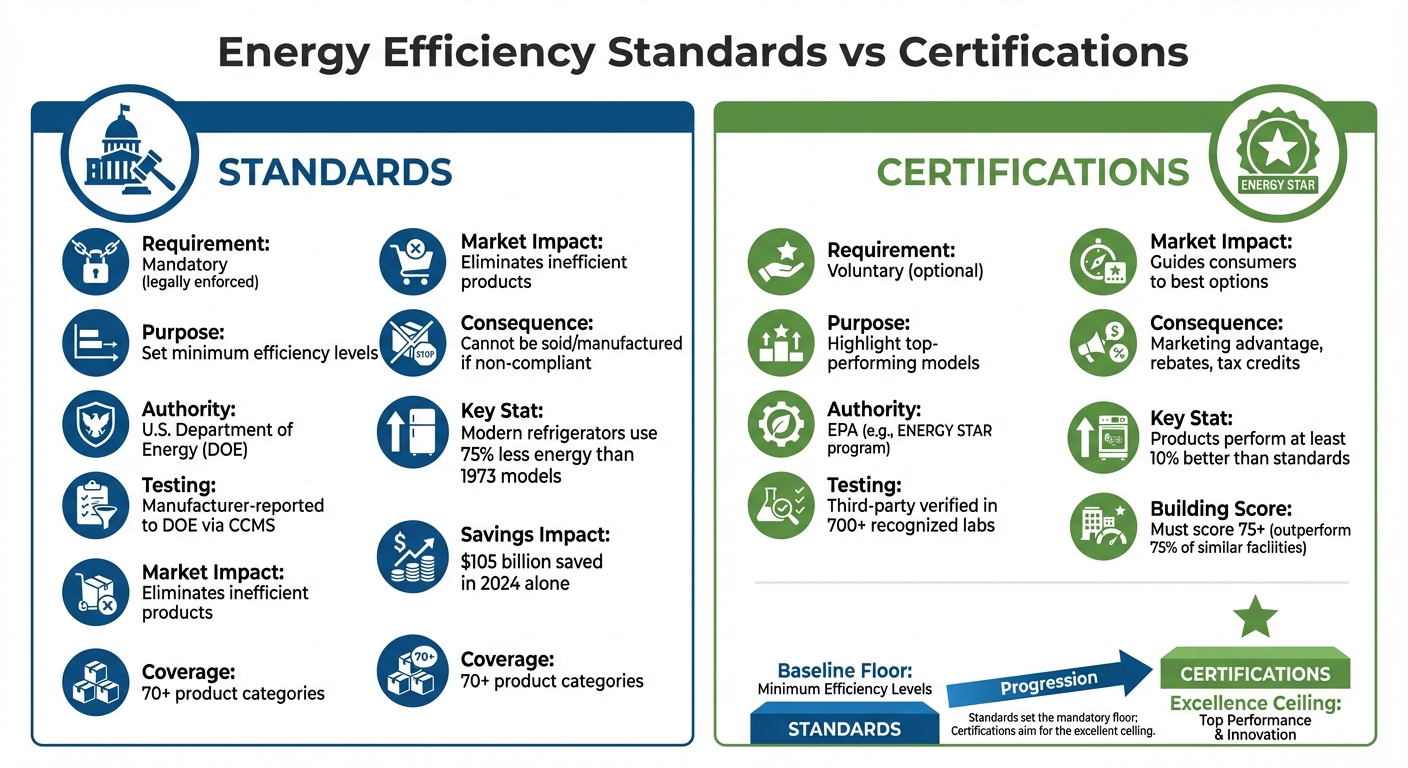
Energy Efficiency Standards vs Certifications Comparison Chart
Main Differences Between Standards and Certifications
Mandatory vs. Voluntary Requirements
The biggest distinction here lies in legal enforcement. Energy efficiency standards are mandatory - if a product doesn’t meet the Department of Energy (DOE) requirements, it cannot legally be manufactured, imported, or sold in the U.S.. Manufacturers are required to submit reports through the Compliance Certification Management System (CCMS) to prove they meet these standards.
Certifications, on the other hand, are voluntary. Programs like ENERGY STAR involve manufacturers signing agreements with the Environmental Protection Agency (EPA). While skipping certification doesn’t result in legal penalties, participating offers a marketing advantage by showcasing better performance. According to the North American Energy Working Group, standards push the market forward by eliminating inefficient products, while certifications pull it by guiding consumers toward top-performing options.
Next, let’s break down who’s responsible for issuing these requirements.
Who Issues Them
Standards are enforced by the DOE, which has the authority to impose fines and pull non-compliant products from the market. This power comes directly from Congress through the Energy Policy and Conservation Act.
Certifications, however, are managed by independent organizations working alongside government agencies. For example, the EPA oversees the ENERGY STAR program in collaboration with the DOE. This program relies on more than 20 certification bodies and 700 recognized labs to ensure products are tested and verified by third parties.
“Third-party certification ensures products are properly tested and reviewed prior to being labeled. It also eliminates the competitive advantage associated with possible cheating and preserves the label's value in the marketplace”.
These authorities don’t just set benchmarks - they also decide the scope of their application, which we’ll explore next.
Scope and Application
Standards set the minimum performance requirements that all products must meet. This establishes a baseline to protect consumers from inefficient products and maintain fair competition. For example, the DOE mandates a minimum efficiency threshold that products must achieve.
Certifications, in contrast, highlight exceptional performance that goes beyond these minimums. ENERGY STAR-certified products, for instance, typically perform at least 10% better than federal standards. For commercial buildings and industrial plants, earning the ENERGY STAR label requires scoring 75 or higher, meaning the facility operates more efficiently than at least 75% of similar buildings nationwide.
sbb-itb-501186b
How Standards and Certifications Affect Electrical Equipment Trading
Meeting Compliance Requirements Through Standards
When trading electrical equipment in the U.S., compliance with federal regulations is non-negotiable. Manufacturers are required to file certification reports for all basic models through the Department of Energy's (DOE) Compliance Certification Management System (CCMS). If a product undergoes a design change that reduces its efficiency, manufacturers must promptly resubmit updated certifications.
Buyers can check whether a product complies with regulations by consulting the DOE's public Compliance Certification Database. This database covers over 70 product categories, encompassing most residential, commercial, and industrial energy usage. Since 1987, these standards have collectively saved U.S. households and businesses $105 billion on utility bills in 2024 alone.
For sellers, maintaining detailed records is critical to meet enforcement standards. The DOE conducts enforcement tests and requires manufacturers to back up their efficiency claims. Products found to be non-compliant can face removal from the market and hefty fines. To avoid these risks, sellers must confirm compliance through the CCMS before listing any equipment. While meeting mandatory standards ensures market access, voluntary certifications can help products stand out.
Using Certifications to Stand Out in the Market
Certifications go beyond compliance - they allow manufacturers to showcase their products in a crowded market. Third-party verified certifications, like ENERGY STAR, enhance buyer trust and often lead to better visibility in rebate and incentive programs. The ENERGY STAR Product Finder, for instance, spans over 65 product categories and lists tens of thousands of models. Many utility companies rely on ENERGY STAR-certified products as a baseline for their rebate programs, making these certifications particularly valuable.
How Electrical Trader Helps Find Compliant Products
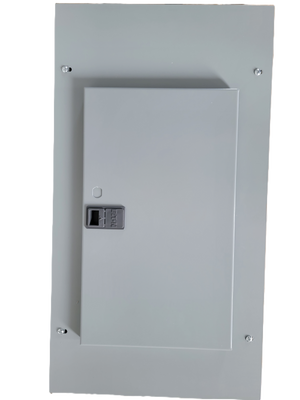
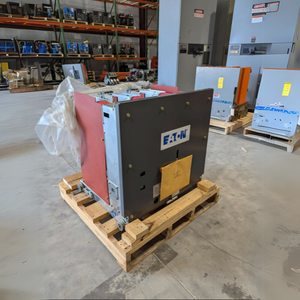
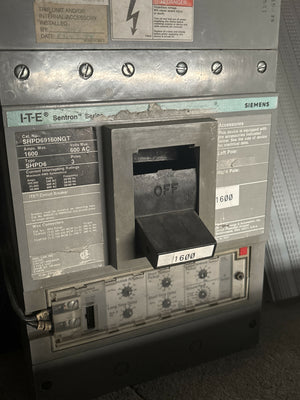
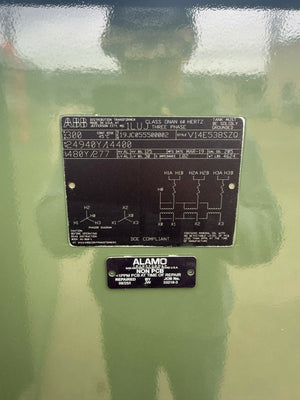
Electrical Trader simplifies the search for verified electrical equipment, combining compliance and competitive benefits. The platform organizes listings by categories - such as breakers, transformers, voltage equipment, and power generation tools - making it easier for buyers to find products that meet regulatory standards. Buyers can cross-check model numbers with the DOE's Compliance Certification Database to confirm compliance before purchasing.
Sellers also gain an advantage by using Electrical Trader. The platform connects them with buyers who prioritize verified compliance and clear certification documentation. Sellers can prominently display certifications like ENERGY STAR alongside compliance records, ensuring transparency. This centralized system simplifies trading for both new and used electrical equipment while maintaining the importance of proper certification and testing.
What Buyers and Sellers Need to Know
For Buyers: Choosing the Right Products
When shopping for appliances or equipment, buyers should prioritize products that meet the U.S. Department of Energy (DOE) efficiency standards and look for the ENERGY STAR label. The DOE currently regulates efficiency for over 70 categories of appliances and equipment, ensuring a baseline of performance across the board. To simplify decision-making, the DOE Compliance Certification Database allows buyers to compare energy use across thousands of models, making it easier to choose products that won’t rack up high operating costs.
ENERGY STAR certification takes things a step further by offering third-party verification. This not only spares buyers the hassle of conducting their own technical assessments but also opens the door to federal tax credits and utility rebates that can help offset the upfront costs. To achieve ENERGY STAR status, commercial buildings and industrial plants must score at least 75, meaning they outperform 75% of comparable facilities nationwide. These tools ensure buyers can confidently select products that meet both regulatory standards and high-performance expectations.
While buyers benefit from these resources, sellers must focus on maintaining compliance and achieving certifications to stand out in a competitive market.
For Sellers: Improving Product Marketability
For sellers, meeting DOE compliance is non-negotiable, but pursuing additional certifications like ENERGY STAR can significantly boost a product’s appeal. Before any product hits the U.S. market, manufacturers must test each model using DOE-approved procedures, submit certification reports through the Compliance Certification Management System (CCMS), and update certifications whenever design changes impact efficiency.
"Third-party certification ensures products are properly tested and reviewed prior to being labeled. It also eliminates the competitive advantage associated with possible cheating and preserves the label's value in the marketplace." – ENERGY STAR
To earn the ENERGY STAR label, sellers must partner with the EPA and have their products tested in one of over 700 recognized labs. The EPA also conducts post-market testing to maintain the integrity of its certifications, which helps distinguish high-quality products in the marketplace. This rigorous process not only positions products on "green" procurement lists but also reinforces their reputation in the electrical equipment sector. Sellers must maintain detailed testing records, as the DOE actively monitors compliance.
Balancing Cost and Long-Term Value
Both buyers and sellers should weigh the long-term benefits of certified products against their upfront costs. While ENERGY STAR-certified products may initially cost more, they often lead to lower energy bills and operational savings over time. Federal tax incentives and utility rebates can further reduce the financial burden for buyers.
For sellers, investing in third-party certifications and thorough testing does more than enhance marketability - it reduces potential liabilities. Non-compliant products can lead to risks like electrical fires, equipment failures, or legal troubles. Adhering to efficiency standards also levels the playing field by preventing manufacturers from cutting corners. The industry’s shift toward updated metrics like SEER2 and HSPF2 for air conditioners and heat pumps reflects a broader move toward more accurate, performance-based standards. By understanding these trends, both buyers and sellers can make smarter choices that balance immediate costs with lasting value.
Conclusion
Key Takeaways
Energy efficiency standards and certifications play a pivotal role in regulating product performance and shaping market dynamics. The Department of Energy (DOE) has set minimum efficiency standards for over 70 product categories, ensuring that only compliant products can enter the U.S. market. On the other hand, certifications like ENERGY STAR go beyond these minimums, highlighting products that achieve higher efficiency levels, verified through third-party testing. While standards ensure fair competition by eliminating non-compliant products, certifications help exceptional products stand out, making them more appealing to consumers.
The submission of testing records through the Compliance Certification Management System (CCMS) remains a key requirement for compliance. ENERGY STAR certification, for example, relies on more than 700 accredited laboratories to verify product performance. Additionally, commercial buildings and industrial plants must score at least 75 to earn certification, signifying they outperform three-quarters of similar facilities nationwide. This system not only protects consumers but also rewards manufacturers who prioritize energy efficiency.
With these core insights in mind, let’s explore actionable recommendations to help industry professionals navigate compliance and leverage certifications effectively.
Recommendations for Industry Professionals
To gain a competitive edge while ensuring compliance, industry professionals can take several practical steps:
- Buyers: Use the DOE Compliance Certification Database to confirm that products meet legal standards and compare energy usage across models. This step minimizes the risk of falling for inaccurate claims and may also unlock benefits like federal tax credits or utility rebates.
- Sellers: Treat certifications as an investment in credibility and market trust. Third-party verification not only reinforces the value of certifications but also prevents unfair competition.
When sourcing electrical equipment, platforms like Electrical Trader can simplify the process of identifying compliant products, such as breakers, transformers, and power distribution equipment. By understanding the distinction between mandatory standards and voluntary certifications, professionals can make smarter choices that balance upfront costs with long-term savings and improved market positioning.
Maximizing Energy Efficiency: A Guide to Standards, Labels, and Informed Purchasing Decisions
FAQs
How do I check if a model is DOE-compliant?
To determine if a model meets DOE standards, consult the U.S. Department of Energy's Compliance Certification Database. This resource houses certification reports provided by manufacturers, which confirm adherence to DOE regulations. Manufacturers are required to test their models using DOE-approved methods and manage the results through the Compliance Certification Management System (CCMS). You can search the database or review these reports to verify compliance.
Is ENERGY STAR worth it if a product already meets standards?
Yes, ENERGY STAR is worth considering. While standard compliance means a product meets the basic energy efficiency requirements, ENERGY STAR certification goes a step further. Products with this label are independently tested to ensure they use less energy, help lower utility bills over time, and have a smaller environmental impact. This extra level of testing and assurance makes ENERGY STAR products a smart choice for those looking to save money and energy.
What happens if a product fails DOE enforcement testing?
If a product doesn't pass DOE enforcement testing, the manufacturer might face serious repercussions. These can include monetary fines, legal penalties, or even a product recall. Such actions are in place to uphold energy efficiency standards and safeguard consumers.