How to Negotiate Bulk Discounts on Electrical Supplies
Want to save up to 35% on electrical supplies? Bulk purchasing is the answer. Whether you're an electrical contractor, facility manager, or construction professional, buying in bulk can significantly reduce costs, streamline procurement, and strengthen supplier relationships. Here's the gist:
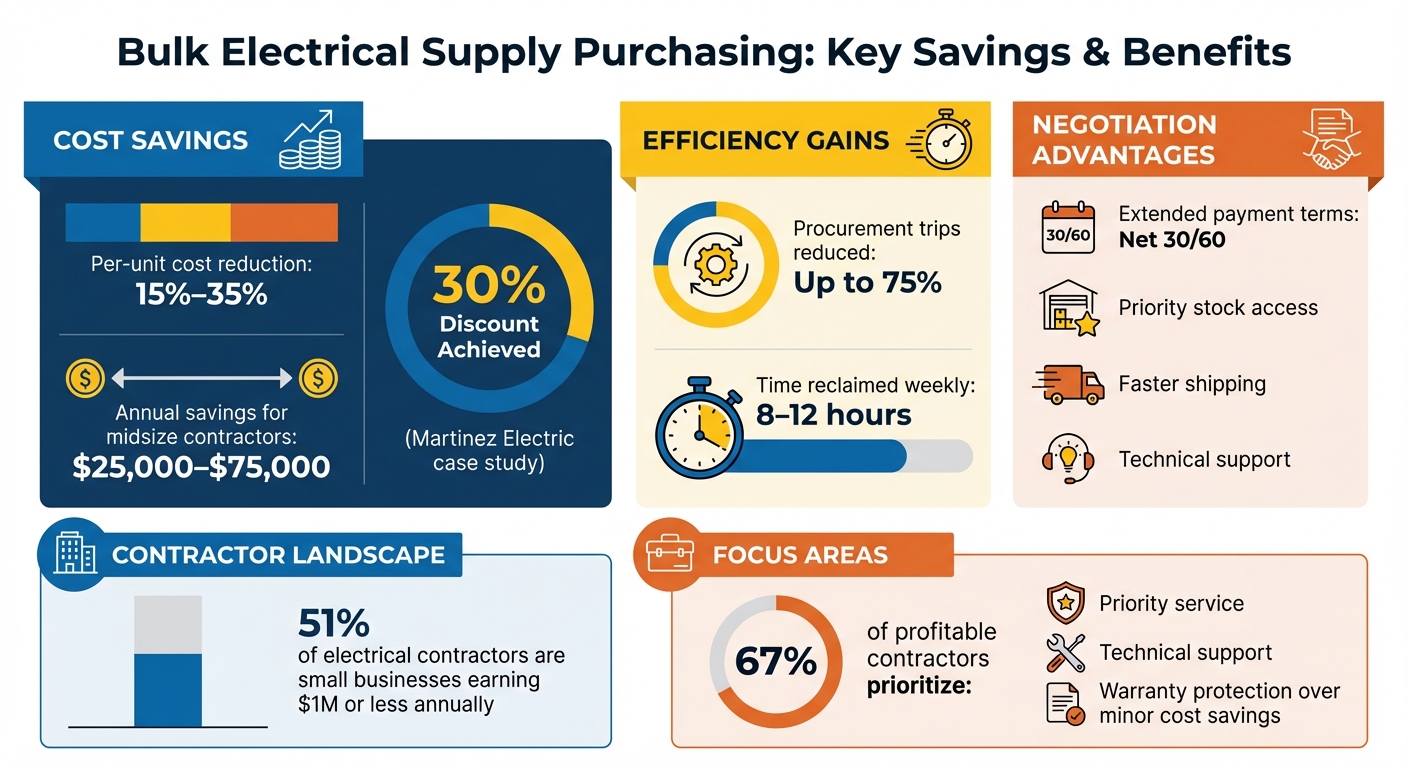
- Savings: Bulk orders can lower per-unit costs by 15%-35%, saving midsize contractors $25,000-$75,000 annually.
- Efficiency: Cut procurement trips by up to 75%, reclaiming 8-12 hours weekly.
- Negotiation Power: High-volume orders unlock better terms like extended payment options (Net 30/60) and priority stock access.
- Supplier Relationships: Reliable partnerships lead to perks like faster shipping and technical support.
To make this work, you need to prepare thoroughly, use your order volume as leverage, and focus on building long-term supplier relationships. Key steps include researching market prices, calculating purchase volumes, and securing clear agreements with written contracts. Done right, bulk buying is a game-changer for cost control and operational efficiency.
Bulk Electrical Supply Purchasing: Key Savings and Benefits
Negotiating with Vendors
sbb-itb-501186b
Step 1: Prepare Before You Negotiate
Negotiation success starts long before you sit down with a supplier. Without proper preparation, you risk agreeing to terms that don’t align with your needs. The key is to arm yourself with accurate data and clear goals. By understanding market trends and defining your requirements, you’ll be able to negotiate from a position of strength. Preparation also ensures you set realistic expectations and avoid costly missteps.
Research Current Market Prices and Suppliers
Before reaching out to suppliers, take the time to research current prices for essential components like breakers, transformers, and wire. These prices often fluctuate due to changes in raw material costs, such as copper and steel. Start by consulting multiple sources to establish a baseline. Websites like Electrical Trader are helpful for checking up-to-date pricing on both new and surplus equipment, allowing you to compare costs for similar breaker models or transformer specifications.
Additionally, assess suppliers based on their product availability, financial stability, and warehouse locations. Quick delivery might be critical for tight project timelines, so knowing which suppliers can meet those demands is essential. Once you’ve established market rates, you can move on to defining your specific order volumes and requirements.
Calculate Your Purchase Volume and Requirements
Suppliers are often more willing to offer better terms to buyers who can demonstrate consistent and predictable purchasing patterns. Take a close look at your recent purchasing history to identify frequently ordered items - like wire, conduit, standardized breakers, and LED fixtures. Focus on high-volume, standardized components that offer opportunities for bulk discounts.
Compare your current unit costs with potential savings from bulk pricing. This analysis can reveal significant annual cost reductions. Next, forecast your needs on a quarterly basis. By presenting suppliers with predictable volume commitments, you strengthen your position during negotiations and make it easier to secure favorable terms.
Define Your Budget and Discount Goals
Setting clear goals is critical. Determine the discount percentages and added benefits you want to achieve. Industry data suggests that bulk buying can reduce per-unit costs by 15% to 35%. Aiming for a 20% discount on high-volume items is a reasonable and achievable starting point.
"Preparation helps you set realistic goals and strengthens your bargaining position. Otherwise, you will be jumping to what the supplier wants without room for what you need." - Coastal Surplus Solutions
But price isn’t the only factor to consider. Think about non-price benefits, such as extended payment terms (e.g., Net-45 or Net-60), free freight on large orders, or delivery schedules that align with your project timelines. Create tiered objectives to guide your negotiations. For example, your primary goal might be a 20% discount with free shipping, while a fallback option could involve a 10% discount with extended payment terms. Knowing these targets in advance allows you to assess offers quickly and avoid deals that don’t meet your financial needs. This groundwork will help you negotiate effectively and secure terms that benefit your business in the long run.
Step 2: Use Your Order Volume as Leverage
Your order volume is one of the most effective tools you have when negotiating with suppliers. Large orders represent an opportunity for suppliers to reduce their handling costs while securing a steady revenue stream. The trick is showing them your potential for consistent high-volume purchases. Here are three strategies to make the most of your order volume: focus on large quantities, bundle products, and commit to long-term agreements.
Emphasize Large Order Quantities
When you place significant orders - like purchasing multiple transformers or dozens of breakers - you set yourself apart as a valuable partner, not just a one-off customer. Large orders help suppliers cut their handling costs, which often translates into wholesale pricing and added perks.
Big-volume buyers frequently enjoy benefits like priority access to limited inventory, faster technical support, and preferential shipping schedules. To make this work for you, share accurate forecasts with your suppliers. This helps them plan their production schedules and ensures they can meet your needs efficiently.
"While you're playing retail prices, they're playing wholesale."
– Andrew Marks, Lead Purchasing Agent, United Industries
Once you've established your large-order potential, consider bundling products to increase your leverage even further.
Combine Multiple Products in One Order
Bundling products is another way to boost your negotiating power. Instead of ordering switches, breakers, or other tools separately, combine them into one large transaction. This approach works especially well when you bundle items that naturally go together - like circuit breakers with distribution panels or lighting fixtures with LED drivers.
If you're managing multiple projects, coordinate your purchases across them to maximize your volume. Bundling not only helps you secure higher discounts but can also reduce freight costs, as larger shipments often qualify for reduced rates.
Offer Long-Term Purchase Commitments
Suppliers value predictability. By committing to recurring purchases or long-term agreements, you reduce their financial risk and stabilize demand. This makes them more likely to offer you better pricing, extended payment terms (like Net-45 or Net-60), or even priority access during supply shortages. Long-term contracts can also shield your business from price swings in materials like copper and steel by locking in favorable rates.
Start small by committing to consistent purchases of a few high-volume items - like wire or standard breakers. Once you’ve shown reliable ordering patterns, you can expand the agreement to include more specialized equipment.
"Suppliers prefer predictable customers. Contractors who forecast quarterly needs, commit to minimum volumes, and maintain excellent payment records earn preferred status."
– Andrew Marks, Lead Purchasing Agent, United Industries
A great example of this strategy in action comes from October 2025, when Martinez Electric, a 12-person electrical shop in Phoenix, teamed up with three other local contractors. Together, they coordinated quarterly purchases of electrical control devices. By pooling their demand into a single long-term agreement, they unlocked 30% discounts - rates typically reserved for much larger companies. Each contractor kept their own inventory while benefiting from the collective negotiating power.
Leveraging your order volume, especially when paired with strong supplier relationships, can significantly improve your negotiating position and help you secure better deals.
Step 3: Develop Relationships with Suppliers
Once you’ve got your bulk ordering strategy in place, it’s time to focus on building strong relationships with your suppliers. Why? Because when suppliers see you as a trusted partner rather than just another customer, they’re more likely to offer perks like better pricing, flexible terms, and even priority service during shortages. The key here is mutual respect - treat suppliers with professionalism, honesty, and fairness to create a solid foundation for collaboration.
Find Reliable Suppliers on Electrical Trader
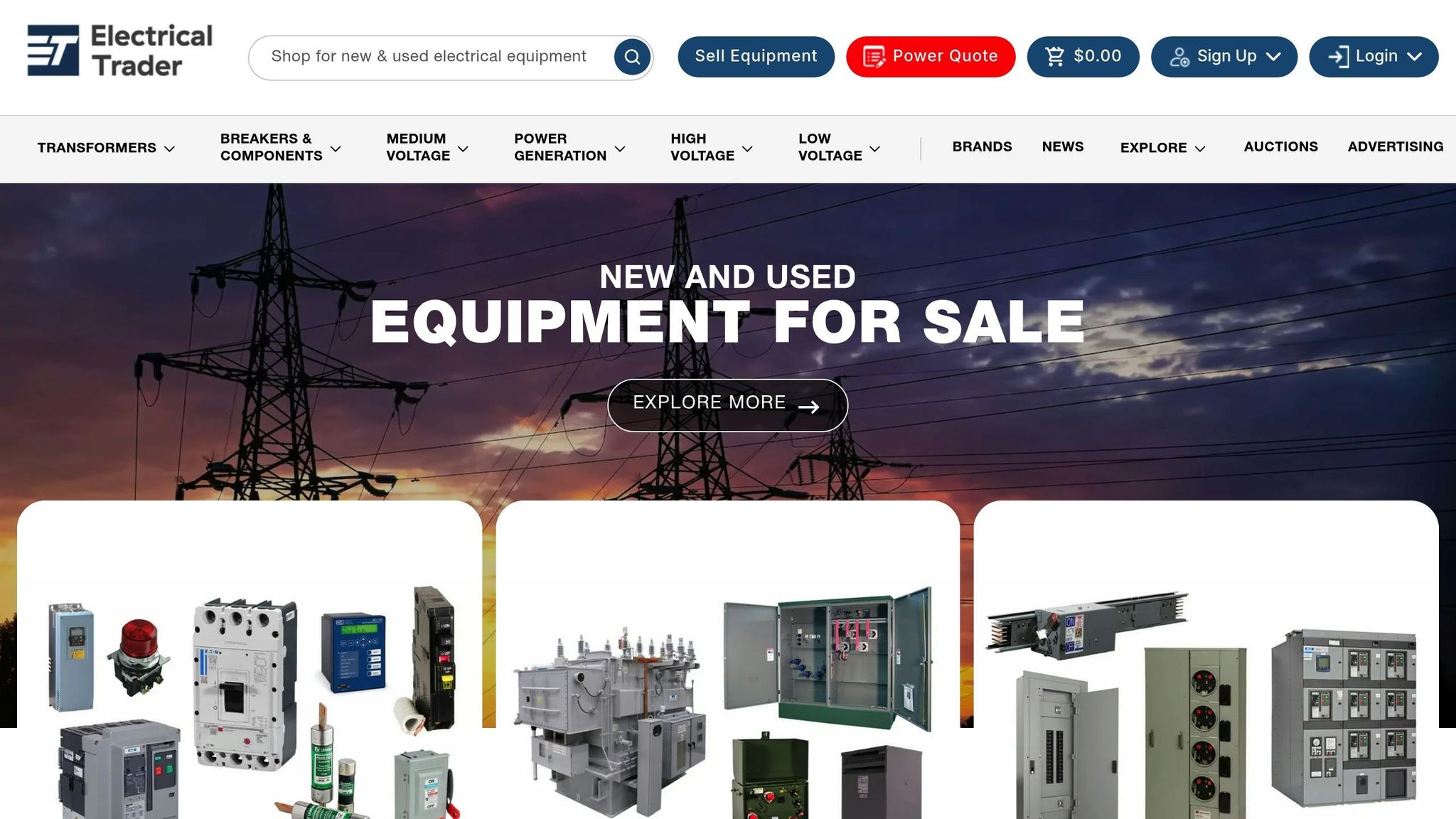
Start by identifying dependable suppliers. A great resource is Electrical Trader (https://electricaltrader.com), a marketplace where you can explore a wide range of new and used electrical components, such as breakers, transformers, and power distribution equipment. This platform allows you to compare options from multiple sellers, helping you find suppliers that meet your specific needs.
Before committing to a supplier, do your homework. Use a priority matrix to evaluate factors like cost, quality, safety, delivery reliability, and ethical practices. Check their background by reviewing their website, LinkedIn profiles, and customer reviews. Industry forums like Reddit’s /r/electricians and LinkedIn Groups are also excellent places to gather insights from peers about potential suppliers. Look into their management practices too - patterns like frequent price increases during contract renewals could affect your long-term expenses. To test a supplier’s reliability, start small. Place an initial order of three to five high-volume items to evaluate their performance before committing to larger contracts.
Communicate Professionally
Once you’ve found reliable suppliers, clear and professional communication becomes essential. Be upfront about your company’s needs, timelines, and budget constraints. Transparency helps build trust and reduces the chances of misunderstandings that could harm your working relationship.
"If the supplier sees that you're acting in good faith, they will be more likely to be upfront with you as well, facilitating in the establishment of a long-term, mutually beneficial partnership."
– Helen Carey, Thomasnet
Stay in regular contact with your suppliers. Share your project schedules so they can better manage inventory and meet your demands. Provide constructive feedback on product quality, delivery performance, and any issues that arise - this helps them improve and tailor their service to your needs. Paying invoices on time is another way to show reliability, ensuring you remain a priority client. Personal connections matter too. Attend industry events, training sessions, or even supplier-hosted dinners to strengthen relationships with key contacts. These practices not only build trust but also pave the way for negotiating added perks.
Negotiate Additional Benefits Beyond Price
While price is always a factor, it’s not the only thing worth negotiating. In fact, 67% of profitable contractors focus on priority service, technical support, and warranty protection over minor cost savings. For example, you could request flexible payment terms like "2/10 Net 45", which offers a 2% discount for payments made within 10 days while still allowing a 45-day payment window.
Other benefits to negotiate include extended warranties, discounted shipping, priority access to high-demand items, and quality guarantees. Some suppliers might even provide exclusive rights to certain products or early access to new product lines. If you’re in retail, consider asking for marketing support, such as product displays or promotional materials.
"Suppliers are more likely to offer favorable terms to those who demonstrate reliability, transparency, and respect."
– Coastal Surplus Solutions
You could also offer something in return, like a testimonial, to sweeten the deal. Track key metrics like on-time delivery rates and order accuracy, and review these with your supplier on a quarterly basis. This collaborative approach helps ensure continuous improvement and strengthens your supply chain over time, creating benefits for both sides.
Step 4: Finalize the Agreement and Avoid Common Mistakes
Now that you've done the heavy lifting - researching prices, leveraging your order volume, and building strong supplier relationships - it's time to lock in an agreement that safeguards your interests. This step can make or break your efforts, as many contractors stumble by skipping proper documentation, agreeing to unfavorable terms, or overlooking quality checks. Here's how to avoid those pitfalls and secure a solid deal.
Get All Terms in Writing
Never rely on verbal promises, no matter how trustworthy a supplier seems. A written contract ensures clarity and legal protection by laying out responsibilities for both parties. Include key terms such as:
- Pricing and volume tiers
- Minimum Order Quantities (MOQs)
- Payment terms (e.g., Net 30, Net 60, or split payments like 30% upfront, 20% at shipment, and 50% after 30 days)
- Delivery lead times (using Incoterms like FOB, CIF, or EXW)
- Warranty details (coverage period, defect types, and claims process via repair, replacement, or credit)
- Late delivery penalties (e.g., a 4% price reduction for items 15–28 days late, increasing to 8% for delays over 43 days)
If you're dealing with international orders or purchases tied to raw materials, consider adding escalation clauses. These clauses allow price adjustments only if exchange rates or material costs fluctuate beyond a set threshold (e.g., ±6%). This protects both parties from unexpected financial strain.
Set Your Bottom Line and Be Ready to Walk Away
Before heading into final negotiations, define your bottom line - the minimum terms you're willing to accept on price, delivery windows, and warranties. This clarity helps you stay firm and confident. If the supplier can't meet your terms, be prepared to walk away. Having a backup supplier in mind (your Best Alternative to a Negotiated Agreement, or BATNA) gives you leverage and peace of mind.
Walking away isn't a loss - it’s a strategic move. If the supplier won't budge on price, shift your focus to securing value-added services instead. Always keep the bigger picture in mind: the overall value of the deal, not just the sticker price.
Once you've nailed down the financial and contractual terms, shift your attention to quality assurance and compliance.
Verify Product Quality and Compliance Standards
Before signing anything, confirm that the products meet all quality and regulatory standards. For example, ensure components comply with the National Electrical Code (NEC) and Energy Star standards. Look for certifications like:
- UL Certification for safety in the U.S.
- ISO 9001 for quality management
- RoHS for environmental safety
These certifications should be explicitly required in your contract. If you're purchasing new or high-value items, request product samples before committing to large orders. For expensive or critical components, consider multi-stage inspections to verify quality, quantity, and compliance.
Your contract should also include clear quality control standards, such as:
- Defined acceptance criteria
- Specific inspection procedures
- An agreed-upon defect rate threshold (e.g., 1% rejection rate)
Make sure the agreement outlines a return or refund policy for defective or non-compliant items. For high-value equipment like transformers, retaining calibration certificates and compliance records is crucial for resale value.
Lastly, resist the temptation to overbuy specialty items just because the discount seems appealing. Focus your bulk orders on fast-moving, standardized components that you can use across multiple projects. Before committing to a volume tier, calculate storage needs and handling costs. Done right, bulk purchasing can save you 15% to 35% per unit, with midsize contractors potentially reducing annual costs by $25,000 to $75,000.
Conclusion
Securing bulk discounts on electrical supplies is all about fostering strong, long-term partnerships that bring consistent value. Partnering with contractors to enhance buying power can be particularly effective - especially since about 51% of electrical contractors are small businesses earning $1 million or less annually. This makes joint purchasing strategies a smart move for many.
Building solid supplier relationships is just as important as reducing costs. Open and honest communication can lead to perks like priority access to inventory and flexible payment terms. These collaborative efforts, emphasized throughout this guide, are essential for effective cost management. When finalizing deals, ensure every detail is documented - pricing structures, delivery schedules, warranties, and quality standards. Also, confirm that all components comply with UL, NEC, and Energy Star standards to avoid unnecessary delays or expenses. These steps not only guarantee quality but also pave the way for significant operational savings.
Strategic bulk purchases can lower material costs by as much as 35% and reduce trips for supplies, saving valuable labor hours. To make this process even simpler, consider using trusted online platforms like Electrical Trader. This marketplace connects buyers with reliable suppliers for both new and used electrical components. Whether you’re looking for circuit breakers, transformers, or power distribution equipment, these platforms offer competitive pricing and dependable vendors. By focusing bulk orders on frequently used, standardized items like wire, conduit, and LED fixtures, you can maximize cost savings and improve overall efficiency.
Follow these four key steps - prepare thoroughly, leverage volume, build strong relationships, and secure clear agreements - to revamp your procurement strategy and boost long-term profitability.
FAQs
How do I figure out the right bulk order size without overbuying?
To figure out the best bulk order size, start by looking at how much you typically use and estimating future needs. This helps you avoid ending up with too much stock. Pay attention to the supplier’s tiered pricing structure and check for any seasonal or volume discounts - they can help you save money. Keep an eye on your inventory regularly and adjust your orders based on what you’re actually using. This way, you can keep your stock balanced and steer clear of overbuying.
What discount should I ask for if I’m buying in bulk for the first time?
When placing your first bulk order, it’s typical to ask for a discount between 10% and 20%. This range serves as a good starting point for negotiations. The final discount often depends on factors like the size of your order, how well you know the supplier, and current market trends. If you’re placing a larger order or have built a solid relationship with the supplier, you might be able to negotiate an even better deal - so don’t shy away from asking for more when it feels appropriate.
What contract terms matter most besides price?
Beyond just the price tag, several contract terms can make or break a deal. Look at things like discount options, flexible payment terms, delivery schedules, and inventory availability. Building a strong relationship with your supplier can pay off too - think priority access to stock or improved payment conditions.
It’s also smart to weigh factors like lead times, return policies, and service commitments. Negotiating tiered discounts based on how much or how often you order can be another way to squeeze more value out of the partnership.