How Load Requirements Impact Voltage Equipment Selection
Load requirements determine the size and type of electrical equipment you need - whether low, medium, or high voltage. Misjudging these needs can lead to costly inefficiencies or system failures. Here's a quick breakdown:
- Undersized equipment risks overheating and failure.
- Oversized equipment wastes money and reduces efficiency.
- Standards like NEC Article 220 and IEEE 519-2022 guide calculations and help address issues like harmonic distortion from modern loads (e.g., LED lighting, VFDs).
Key Voltage Classes:
- Low Voltage (LV): Up to 600V, suitable for commercial setups and smaller loads.
- Medium Voltage (MV): 600V–69kV, ideal for larger motors and long cable runs.
- High Voltage (HV): Above 69kV, used for utility-scale transmission.
Each voltage class has unique costs, safety requirements, and performance characteristics. Proper sizing ensures efficiency, safety, and long-term reliability. Let’s explore how load requirements shape these decisions.
Calculate Electrical Load Adequacy Upgrade Needed
sbb-itb-501186b
1. Low Voltage Equipment
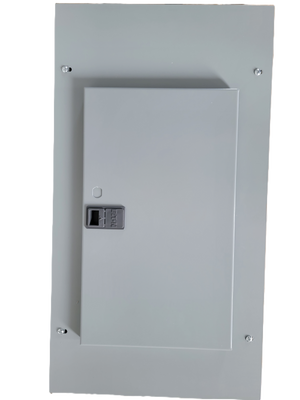
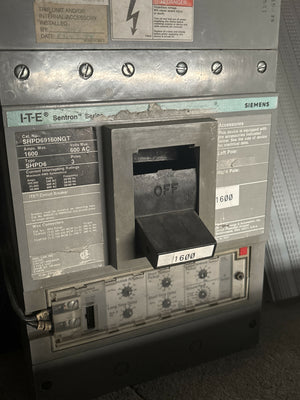
Low voltage (LV) equipment, operating below 600 V, is widely used in commercial and industrial settings. It includes essential components like transformers, circuit breakers, switchgear, and panelboards, which come in standard kVA ratings such as 150, 300, 500, 750, 1,000, and 1,500 kVA. These components determine both the system’s performance and its efficiency under different load conditions.
Load Capacity
One common mistake in sizing LV equipment is treating kW and kVA as if they are the same. Instead, equipment should be sized based on apparent power, calculated as kVA = kW ÷ Power Factor. Ignoring this calculation and assuming a power factor of 1.0 can lead to undersized equipment - by as much as 15% when the power factor is 0.85.
The type of load also matters. For instance, large motors can double their kVA demand during startup, while non-linear loads like variable frequency drives (VFDs) and LED lighting can increase apparent power needs by 10–15%. This often requires K-rated transformers or extra capacity to handle the additional demand. To account for load variations and future growth, engineers typically add a safety margin of 15–25%. Proper safety margins not only protect the equipment but also align with industry best practices. Ideally, LV equipment should operate at 75–85% capacity. Running below 50% reduces efficiency, while exceeding 100% risks overheating and insulation damage.
By carefully sizing equipment, facilities can ensure reliable performance while avoiding the expenses tied to over- or under-sizing.
Cost and Lifecycle
Optimizing load levels has a direct impact on equipment longevity, particularly for transformers. Modern LV transformers are far more efficient than older models, with core losses now reduced to about 10% of what they were in the past. For oil-filled transformers, keeping the load at 65–75% of the nameplate kVA during peak conditions helps preserve insulation and reduces thermal stress.
Post-installation checks, such as monitoring peak demand over 30–90 days and recording hot spot temperatures, are crucial to confirm proper sizing. Additionally, facilities planning upgrades like EV charging stations or heat pumps should consider increasing the growth margin to 30–40%. These additions can significantly impact peak demand and load factor profiles, making forward planning essential.
2. Medium Voltage Equipment
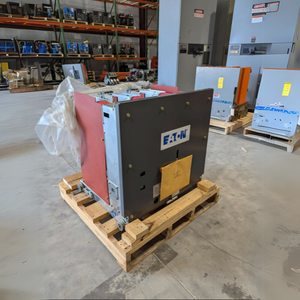
After examining low voltage systems, medium voltage (MV) equipment brings its own set of challenges and requirements, particularly when it comes to load capacity and infrastructure. According to ANSI C84.1 standards, MV systems operate in the range of 2,400 to 69,000 VAC. These systems include essential components like switchgear, transformers, and protective relays, and are typically used in industrial facilities, university campuses, and large commercial buildings where power must travel longer distances.
Load Capacity
Unlike low voltage systems, MV equipment does not come with built-in breaker protection. Instead, it relies on external DC control power, usually 48V or 120Vdc, to manage protective relays and circuit breakers. This setup means that planning for load protection requires more attention from the start. For critical applications, engineers often recommend double-ended (main-tie-main) switchgear assemblies. These configurations provide redundancy, allowing for smoother maintenance and minimizing the risk of unexpected downtime.
Distribution Distance
Medium voltage systems excel in scenarios involving long-distance power distribution. The higher voltage reduces the current needed for the same power load, which in turn minimizes I²R losses and voltage drops along the cable. This efficiency allows for the use of fewer and smaller conductors and conduits, significantly cutting down on material and labor costs for large-scale projects.
"MV systems are preferred over LV system over long transmissions since MV systems have high voltage and low current compared to the equivalent LV counterpart." - Leaf Electrical Safety
However, the equipment itself comes with a higher upfront cost. As noted by electrical engineers Taha Mohammed and Robert Magsipoc of CDM Smith:
"While MV equipment can be more expensive, it requires fewer conduits and conductors."
To make an informed decision, it’s crucial to balance the higher initial cost of MV equipment against the potential savings in installation and materials. These considerations play a key role in determining the overall feasibility of using MV systems.
Fault Current Handling
The choice of cable insulation in MV systems is closely tied to how quickly a ground fault can be cleared. The National Electrical Code (NEC) outlines three insulation levels based on fault-clearing times:
| Insulation Level | Fault Clearing Time |
|---|---|
| 100% | Within 1 minute |
| 133% | Within 1 hour |
| 173% | Exceeding 1 hour |
Selecting the wrong insulation level can lead to significant risks, especially when the focus is solely on load sizing.
Cost and Lifecycle
Medium voltage equipment also introduces unique spatial and lifecycle cost considerations. MV systems require more physical space compared to low voltage systems. NEC Tables 110.31 and 110.34(A) specify minimum working clearances and distances for systems above 1,000 volts, which means facility designs must account for this larger footprint. Early coordination with the local utility to confirm available voltage ratings near the project site can help avoid costly redesigns.
When choosing switchgear, metal-clad (MC) switchgear stands out for its compartmentalized design and insulated buses, offering enhanced safety. However, it is more expensive and requires access from both the front and rear. On the other hand, metal-enclosed (ME) switchgear is a budget-friendly option that only requires front access, making it suitable for projects with tighter space and financial constraints.
3. High Voltage Equipment
High voltage (HV) equipment refers to systems operating at voltages above 69 kV, with transmission typically starting at 110 kV. Extra high voltage is categorized as anything above 765 kV. These systems are the backbone of long-distance power transfer, connecting power plants to substations across vast regions - sometimes even spanning entire states.
Load Capacity
Grounding configurations play a crucial role in the operation of HV systems. Solid grounding clears faults quickly but results in high fault currents. On the other hand, high-resistance grounding (HRG) limits fault currents to just 1–5 A, allowing the system to continue operating even after a fault occurs. This approach minimizes downtime and ensures more consistent power delivery.
The choice of grounding setup doesn't just impact fault handling; it also ties directly to the efficiency of power distribution, which is vital for maintaining system reliability.
Distribution Distance
High voltage transmission offers significant efficiency advantages. For instance, a 765 kV line carrying 1,000 MW over 100 miles loses only 0.5% to 1.1% of its power to resistance, whereas a 345 kV line carrying the same load over the same distance loses approximately 4.2%. Over time and at scale, these differences become substantial. A real-world example is the Grand Coulee Dam in Washington, which uses six 500 kV circuits to manage its 6,809 MW generation capacity.
When transmission distances exceed 400 miles - or when submarine cables run longer than 30 miles - high-voltage direct current (HVDC) becomes the go-to solution. Unlike alternating current (AC), HVDC avoids issues with capacitance buildup, which would otherwise require costly reactive power compensation every few dozen miles. A practical example of this is the ±500 kV DC lines in the Western Interconnection, used to transfer power from the Columbia River region to Southern California.
These efficiency benefits are matched by the need for robust fault-handling capabilities, which are critical for maintaining system stability.
Fault Current Handling
Handling faults in HV systems requires specialized equipment like SF6 and oil circuit breakers. The kAIC (Kilo Ampere Interrupting Capacity) rating is a key metric, indicating the maximum fault current a breaker can safely interrupt. Among the various fault types, line-to-ground faults are the most common, accounting for roughly 85% of all electrical faults. To detect and isolate these faults, protective relays such as 50/51 overcurrent relays and 87 distance relays work alongside current transformers.
Safety is paramount when working with HV systems. For example, at 121 kV, unqualified personnel must maintain a minimum approach distance of 13 feet, 1 inch to ensure safety.
Cost and Lifecycle
High voltage infrastructure comes with a hefty price tag. HV switchgear is expensive and requires highly trained personnel for operation and maintenance. Regular testing is a must - circuit breakers should undergo annual testing, and arc-flash hazard analyses should be performed every five years or after major changes to the system. Additionally, all HV equipment must include labels that comply with NEMA, ANSI Z535, and NESC standards, detailing specifications like MVA rating, Basic Insulation Level (BIL), and short-circuit breaking current.
Despite the high upfront costs, lifecycle cost modeling often justifies the investment in HV systems, especially for applications involving long-distance transmission and large-scale power loads.
Pros and Cons
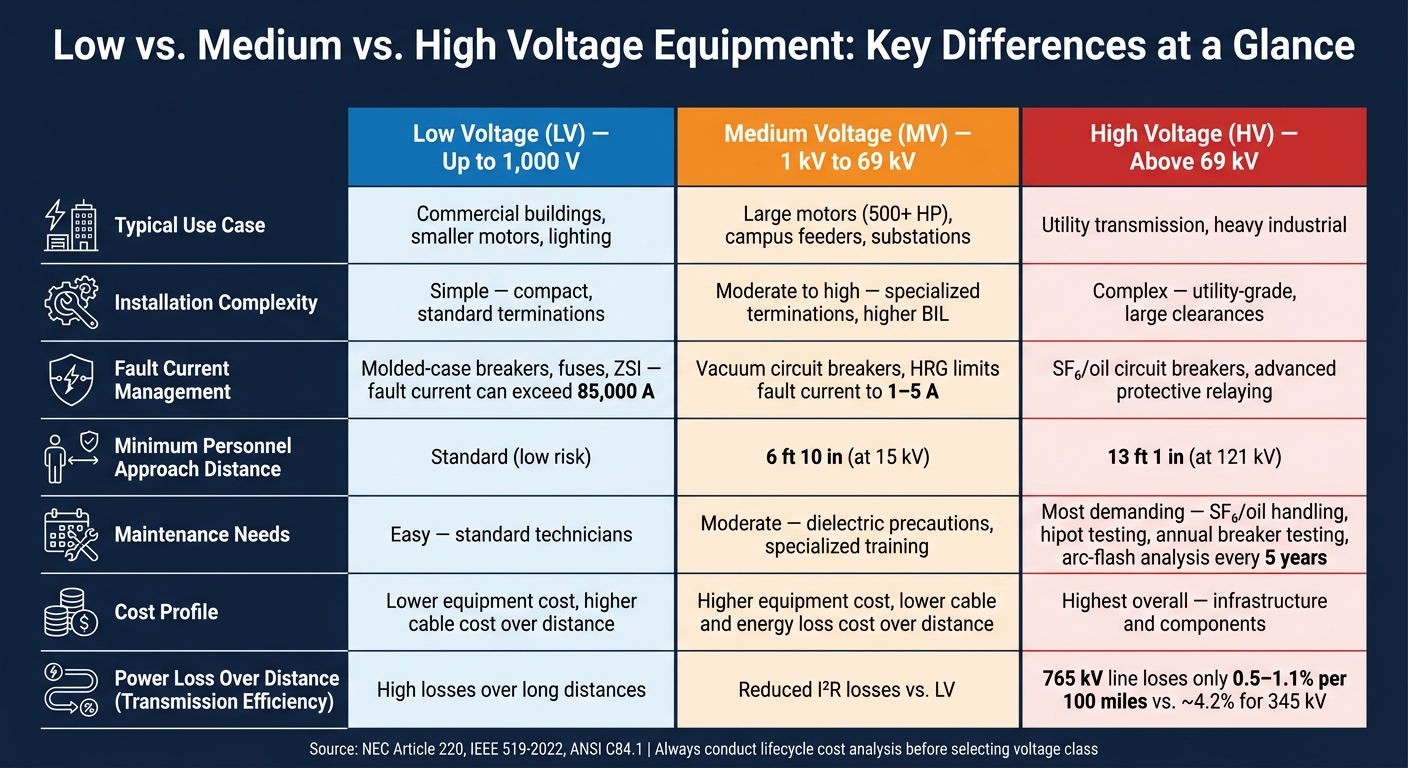
Low vs Medium vs High Voltage Equipment: Key Differences at a Glance
Deciding between low, medium, and high voltage equipment comes down to balancing technical, financial, and operational factors. These choices influence your budget, maintenance demands, and system reliability. Here's a quick breakdown of the key performance, safety, and cost considerations:
| Feature | Low Voltage (LV) | Medium Voltage (MV) | High Voltage (HV) |
|---|---|---|---|
| Voltage Range | Up to 1,000 V | 1 kV to 69 kV | Above 69 kV |
| Load Handling | Suitable for commercial setups and smaller motors | Ideal for large motors (500+ HP), campus feeders, and substations | Designed for utility transmission and heavy industrial services |
| Installation Complexity | Simple; compact equipment with standard terminations | Moderate to high; requires specialized terminations and higher BIL components | Complex; utility-grade infrastructure with large clearances |
| Fault Current Management | Uses molded-case breakers, fuses, and Zone Selective Interlocking (ZSI) | Relies on vacuum circuit breakers, numerical relays, and differential schemes | Employs SF₆ or oil circuit breakers with advanced protective relaying |
| Maintenance Needs | Easier; can be handled by standard technicians | More involved; requires dielectric precautions and specialized training | Most demanding; includes SF₆/oil handling and hipot testing |
| Cost Profile | Lower upfront equipment costs but higher cable costs for long distances | Higher equipment costs but reduced cable and energy loss costs over distance | Highest costs due to infrastructure and components |
LV isn’t always the cheapest option overall. For example, a single 500-HP motor draws approximately 480 A at 480 V. Over longer distances, the cost of cabling can exceed the expense of MV switchgear. This is why lifecycle cost analysis - not just upfront pricing - should guide your decision-making.
Voltage levels also impact safety and operational requirements. As voltage increases, so do the safety measures. For instance, the minimum approach distance for personnel jumps from 6 ft 10 in at 15 kV to 13 ft 1 in at 121 kV. This difference directly affects staffing, training expenses, and site design. MV and HV systems also fall under OSHA 29 CFR 1910.269, which requires specific worker qualifications and job briefings, adding to their operational complexity.
Fault management strategies further highlight the differences. LV systems typically use solid grounding, which results in high fault currents - fault current at 480 V buses in large industrial plants can exceed 85,000 A. On the other hand, MV systems often use high-resistance grounding (HRG), limiting fault currents to just 1–5 A. This allows the system to continue operating through a first fault, a critical feature for industries where downtime is expensive. These technical considerations make voltage selection a pivotal decision in managing performance and lifecycle costs effectively.
Conclusion
When choosing voltage equipment, it's essential to consider more than just the initial cost. The load requirements - such as size, density, and distribution - should be the primary factors driving your decision.
For most commercial buildings and smaller industrial facilities, low voltage systems like 480Y/277 V or 208Y/120 V are typically sufficient for standard motor and lighting loads. However, when dealing with large motors or longer cable runs, medium voltage systems might be a better choice to minimize conductor size and energy losses. This kind of lifecycle analysis highlights the importance of aligning equipment capacity with both current and future load demands.
On the other hand, high voltage equipment is generally reserved for utility-grade transmission or exceptionally large consumers. Facilities without direct transmission connections are unlikely to benefit from such systems. These distinctions emphasize the need for a thorough load assessment to strike the right balance between performance, safety, and cost.
Planning for future capacity is just as crucial as meeting current needs. During the conceptual design phase, conducting a lifecycle cost analysis - factoring in load growth, distances to major loads, and long-term energy loss costs - can help achieve greater efficiency over time. For facilities in continuous-process industries, grounding strategies should also be carefully evaluated. For example, high-resistance grounding (HRG) can limit fault currents to 1–5 A, enabling operations to continue through a first fault without major downtime.
FAQs
How do I choose between LV, MV, and HV for my facility?
Choosing the right type of electrical equipment - low voltage (LV), medium voltage (MV), or high voltage (HV) - depends on the specific needs of your facility, such as load requirements, size, and intended application.
- LV equipment works best for smaller facilities with lower power demands.
- MV equipment is designed to handle the needs of larger industrial operations.
- HV equipment is reserved for utility-scale systems where extremely high power levels are required.
When making your decision, think about the current load size, potential for future growth, and the voltage requirements of your system. Proper planning ensures safe and efficient power distribution, reducing the risk of overheating or system failures.
What load data do I need to size transformers and switchgear correctly?
To properly determine the size of transformers and switchgear, you’ll need three key pieces of information: total connected load, load characteristics, and future load growth projections. These factors ensure the power distribution system operates safely, efficiently, and reliably, while meeting both current and anticipated demands.
When should I add extra capacity for future loads like EV chargers?
When designing your electrical system, it's smart to plan for extra capacity to handle future demands, such as electric vehicle (EV) chargers. This forward-thinking approach ensures your system can support the growing number of EVs, manage multiple chargers operating at the same time, and maintain stable voltage levels without risking overloads.