Green Globes Certification for Facility Managers
Green Globes is a certification system designed to assess and improve the environmental performance of commercial buildings. It uses a 1,000-point rating system across seven categories: Project Management, Site, Energy, Water, Resources, Emissions, and Indoor Environment. Facilities scoring at least 35% (350 points) can earn between one and four globes. The process involves an online self-assessment, targeted upgrades, and a third-party evaluation.
Key benefits include:
- Lower operating costs: Energy savings of up to 35%, water use reductions of 11%, and a 34% cut in carbon emissions.
- Increased property value: Certified buildings can achieve higher rental rates, resale values, and tenant satisfaction.
- Regulatory compliance: Recognized by the U.S. GSA and aligned with codes like IgCC and CALGreen.
The certification process starts at $995 for buildings under 50,000 sq. ft. and offers financial incentives like tax credits and utility rebates. Facility managers can focus on specific upgrades without mandatory prerequisites, making it a flexible and cost-effective option for improving building performance.
Core Features of Green Globes Certification
What Gets Assessed During Certification?
Green Globes evaluates seven key categories: Project Management, Site, Energy, Water, Resources, Emissions and Effluents, and Indoor Environment. Among these, energy efficiency is given special attention, while the Indoor Environment category focuses on factors like air quality and occupant well-being.
The process begins with facility managers completing an online questionnaire. This is followed by a document review and an on-site assessment. The web-based tool is designed to be user-friendly, making it accessible even for managers without technical expertise.
One standout feature of Green Globes is its flexibility - it does not require mandatory prerequisites in any category. This approach allows managers to focus on areas that provide the best return on investment. After the assessment, the results are converted into points, which determine the certification level.
How the Point System and Certification Levels Work
The certification operates on a 1,000-point scale, with buildings needing a minimum of 350 points to earn one to four globes. Registration fees are adjusted based on the size of the project. Without mandatory minimum scores for specific categories, facility managers have the freedom to prioritize improvements that match their goals and budget.
sbb-itb-501186b
All About Green Globes
How to Get Green Globes Certification for Your Building
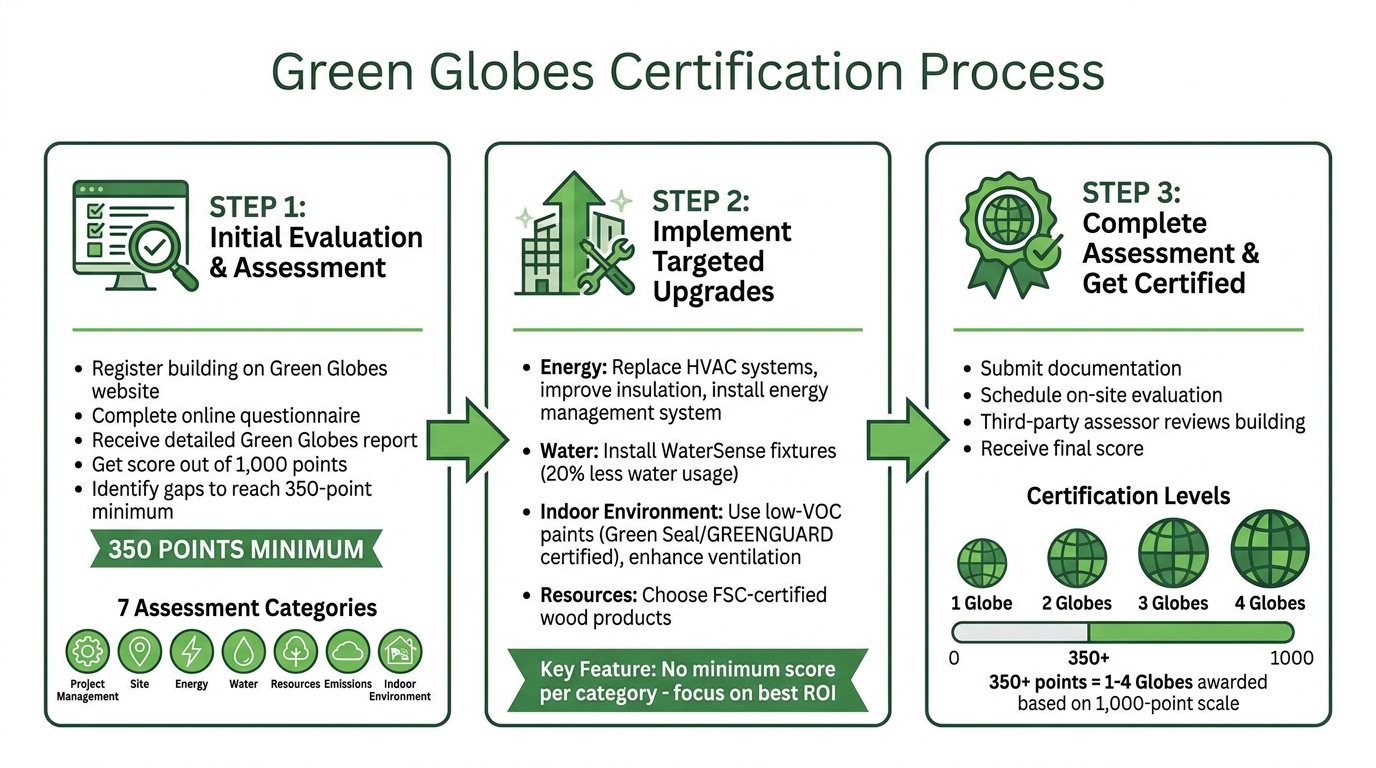
Green Globes Certification Process: 3 Steps to Building Certification
Initial Evaluation and Identifying Improvement Areas
The journey to Green Globes certification begins by registering your building on the Green Globes website and completing an online questionnaire. This tool evaluates your facility across seven key categories: Project Management, Site, Energy, Water, Resources, Emissions, and Indoor Environment. Once the questionnaire is done, you'll receive a detailed Green Globes report. This report highlights areas where your building is performing well and where improvements are needed. It provides a clear score out of 1,000 points and identifies how far you are from the 350-point minimum required for certification. With this roadmap in hand, you can focus on targeted upgrades to close the gaps.
Making the Necessary Upgrades
After pinpointing improvement areas, the next step is making upgrades that align with the Green Globes criteria. Here are some common upgrades to consider:
- Energy: Replace outdated HVAC systems, improve insulation, or install an energy management system to increase efficiency.
- Water: Opt for WaterSense-labeled fixtures like toilets, urinals, and faucets, which use at least 20% less water than standard models.
- Indoor Environment: Use low-VOC (volatile organic compound) paints and adhesives certified by Green Seal or GREENGUARD, and enhance ventilation systems.
- Resources: During renovations, choose FSC-certified wood products to ensure sustainable material use.
Since there's no minimum score required for individual categories, you can focus your budget on the upgrades that deliver the best return on investment and performance improvements.
Completing the Assessment and Getting Certified
Once the upgrades are in place, submit documentation to verify the changes and schedule an on-site evaluation. During this visit, a third-party assessor reviews your building to confirm it meets the Green Globes standards. After the assessment, your building receives a final score. If you reach at least 350 points, your building will be certified, earning a rating of one to four globes based on its overall performance.
Why Facility Managers Should Pursue Green Globes Certification
Lower Operating Costs and Better Efficiency
Green Globes certification highlights practical ways to save on energy, water, and resources. Certified facilities can achieve impressive results: energy savings of 35%, water use reductions of 11%, and a 34% cut in carbon emissions. These savings are maintained through biennial reassessments, which help ensure systems remain efficient and well-maintained. The Green Building Initiative (GBI) backs these certifications with performance metrics, offering clear accountability for sustainability efforts.
To get the most out of Green Globes, start with their online questionnaire to assess your building's current performance and pinpoint areas for quick improvements. The self-assessment begins at $995 for spaces under 50,000 square feet. Certification can also unlock federal tax credits like 179D for commercial buildings and 45L for residential properties, along with rebates from local utility providers. For HVAC systems, using Manual J calculations ensures proper sizing, preventing wasted energy from oversized units.
Higher Property Value and Tenant Interest
Beyond operational savings, Green Globes certification enhances property value and appeal. Certified buildings often command up to 11% higher rental rates and 21% higher resale values, along with increased occupancy rates and tenant satisfaction. In the U.S., green-certified buildings typically see a 3.7% rent premium. Occupancy rates for certified properties are 4% higher on average, with some Energy Star-certified buildings achieving rates 9.5% above their non-certified counterparts.
"Building certifications are powerful tools for demonstrating value. They improve a building's marketability by attracting higher occupancy rates and rental premiums, thanks to their emphasis on sustainability and health." - Laura Steinbrink, Emerald Built Environments
Tenant satisfaction plays a big role in these numbers. Green Globes prioritizes healthier indoor environments with better air quality and lighting, which boosts tenant retention. Certified office spaces see a 5.6% higher likelihood of lease renewals. As James Gray-Donald, Vice President of Sustainability at Bentall Kennedy, explains:
"Tenants care about certification (the badge matters)".
Certification signals quality and commitment to environmental and social responsibility, aligning with corporate ESG (Environmental, Social, and Governance) goals that many tenants now expect. For investors, Green Globes offers a way to showcase value and reduce risk. Certification costs typically add just 0% to 5% to construction expenses, depending on when sustainability measures are implemented and the building's existing maintenance practices.
It’s not just about market appeal - certification also helps with regulatory compliance.
Meeting Regulatory Requirements
Green Globes certification simplifies compliance with federal, state, and local regulations. Recognized by the U.S. General Services Administration (GSA) for federal projects, it’s a must for facility managers handling government contracts. The National Technology Transfer and Advancement Act (NTTAA) requires federal agencies to adopt private-sector standards like Green Globes, rather than creating their own.
The certification also aligns with state and local codes. For example, it works with the International Green Construction Code (IgCC) and is recognized under the California Green Building Standards Code (CALGreen), offering a clear path to compliance. Unlike some codes that mandate specific materials, Green Globes uses a performance-based approach, letting you choose the green practices that work best for your building.
The third-party verification process ensures compliance by thoroughly reviewing building documentation and conducting on-site inspections. Key areas assessed include energy efficiency, water use, emissions, and indoor environmental quality. The Green Globe Solutions (GGS) platform helps streamline this process by securely storing files like PDFs, spreadsheets, and photos, making audits and regulatory reporting easier. Before beginning a project, check if your local jurisdiction has adopted the IgCC, as Green Globes offers a straightforward compliance route within that framework.
Common Problems and How to Solve Them
Tackling common challenges in certification - like costs, skills gaps, and ongoing monitoring - can pave the way for better building performance.
Managing Costs and Finding Funding
Budget limitations often worry facility managers aiming for Green Globes certification. However, high-performance buildings can cut operating costs by about 23%, which helps recover the upfront investment over time. To navigate budget challenges, focus on upgrades that provide quick paybacks - like switching to LED lighting or optimizing HVAC systems. Spreading the certification process across multiple budget cycles is another effective strategy. This phased approach not only reduces immediate financial strain but also aligns with broader facility management plans.
Getting the Right Skills and Knowledge
Beyond budget concerns, having the right expertise is key to achieving certification. The process often requires technical knowledge that may not exist within your team. Thankfully, the Green Building Initiative (GBI) offers training programs such as the Green Globes Professional and Guiding Principles Compliance Professional credentials. These programs equip your staff with essential skills and provide access to webinars that cover the latest tracking methods and industry best practices.
For more complex systems, bringing in external consultants can be a smart move. At the same time, investing in staff training builds internal expertise, which is invaluable for managing recertification and compliance independently in the future.
Keeping Up with Performance Tracking
Once upgrades and training are in place, consistent monitoring is essential to maintain certification standards. Unlike a one-time effort, certification requires ongoing performance tracking. For instance, federal regulations for high-performance buildings demand that energy and water savings be verified at least every four years. Patrick Côté, Director of Sustainable Development at MONTONI, highlights a practical approach:
"After certification, our team develops a monitoring plan to ensure that the building maintains its performance. This includes regular audits, the use of automated management tools to track consumption and air quality, and awareness-raising campaigns to encourage occupants to adopt sustainable behaviors."
Automated systems with sensors and IoT devices simplify this process by providing real-time data on energy and water usage, as well as indoor air quality. These tools make it easier to compile documentation for recertification and third-party evaluations, reducing reliance on manual data collection. Certified buildings often achieve about 23% lower energy use and 28% lower water use compared to standard facilities. Regular audits help identify performance issues early, while training maintenance teams to handle advanced equipment ensures that efficiency levels don’t decline over time.
Getting Started with Green Globes Certification
Green Globes certification provides a straightforward way for facility managers to improve operational efficiency, comply with regulations, and boost property value. By following a clear process, you can simplify your path to certification.
To begin, head to the Green Building Initiative (GBI) website. There, you’ll find interactive assessment tools and a guided tour to help you through the registration and initial questionnaire. This questionnaire evaluates your building’s performance in seven key areas: project management, site, energy, water, resources, emissions, and indoor environment. Once completed, it generates a Green Globes report that serves as a baseline for your building’s current performance. As Laura Steinbrink from Emerald Built Environments notes:
"Our Gap Analysis process is a quick and easy way to assess what is needed to achieve certification and gives you a framework for understanding project-specific costs".
After establishing the baseline, the next step is to form a multidisciplinary team. Include professionals like architects, engineers, and sustainability experts to ensure a well-rounded approach. Create key documents, such as the Owner’s Project Requirements (OPR) and Basis of Design (BOD), to clearly define sustainability goals and the technical strategies needed to meet them. Keep in mind that achieving certification requires your building to score at least 35% on the 1,000-point system.
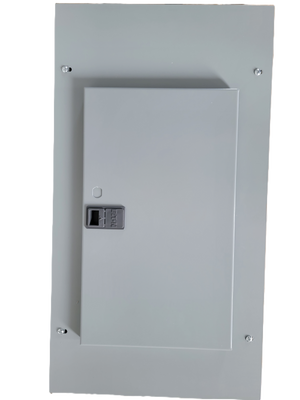
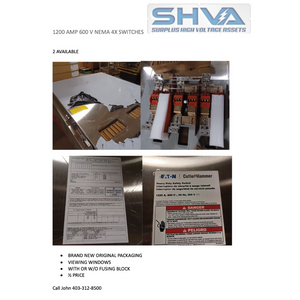
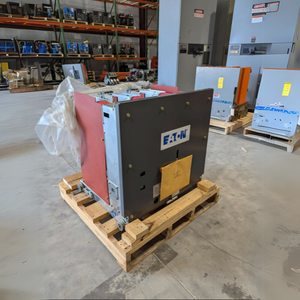
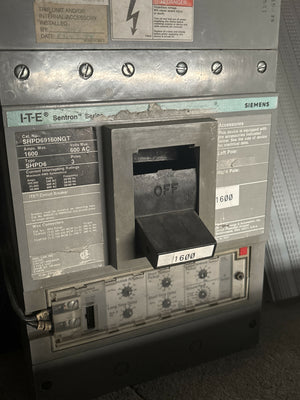
When upgrading for energy efficiency, focus on improvements like modernizing electrical components, optimizing power distribution, or installing energy-efficient transformers and breakers. For cost-effective solutions, platforms like Electrical Trader offer a wide range of both new and used electrical equipment, including breakers, transformers, and distribution systems.
Taking a structured approach to certification can make the process more manageable. Financial incentives, such as 179D and 45L tax credits, along with state-level rebates for energy-efficient buildings, can help offset initial costs. By starting with a detailed assessment and assembling a skilled team, you’ll set your facility on the path to sustainability and long-term operational success.
FAQs
How long does Green Globes certification take?
The process of earning Green Globes certification generally involves multiple steps, such as planning, conducting an environmental assessment, and reviewing feedback. The timeline can span several months, largely influenced by the project's complexity and size.
Which upgrades add the most points for the lowest cost?
Cost-effective upgrades that earn Green Globes points include installing energy-efficient lighting, upgrading HVAC systems, and adding water-saving fixtures. These improvements are budget-friendly and offer strong sustainability benefits, making them a smart choice for facility managers aiming to balance certification goals with operational efficiency.
How often do we need to recertify or reassess?
Green Globes certification involves annual recertification, ensuring facilities consistently meet the required standards. Additionally, on-site auditor inspections take place every other year to verify ongoing compliance.